Whether you need to leave your home during water damage restoration or can stay through the process is one of the first practical questions people ask after a water damage event, often while still in the middle of an emergency. The answer is not the same for every situation. It depends on the type of water involved, the extent of the damage, whether mold is present, and the specific restoration work being done. Here is a clear framework for making this decision.
When It Is Generally Safe to Stay
For many water damage situations, remaining in the home during restoration is entirely reasonable, with some practical adjustments. The situations most compatible with continued occupancy share a few characteristics: the damage is confined to a limited area, the water source was clean or low-contamination, no significant mold has been identified, and the restoration work doesn’t involve major demolition or treatments requiring evacuation.
Clean water damage in a single room, such as a burst supply pipe in a bathroom or a washing machine supply hose failure in a laundry room, typically allows the rest of the house to remain fully occupied. The affected room is essentially out of commission during active drying, and the equipment noise can be disruptive, but the health and safety conditions in the rest of the home are unaffected.
Small, localized mold remediation with proper containment in place can similarly allow normal occupancy of unaffected parts of the home, provided the containment setup is thorough enough to prevent spore spread into occupied areas and the HVAC vents in the work zone are sealed off.
When Temporary Relocation Should Be Considered
Some situations make remaining in the home inadvisable or genuinely unsafe, even when the affected area represents a portion of the overall space.
Sewage Backup or Black Water Events
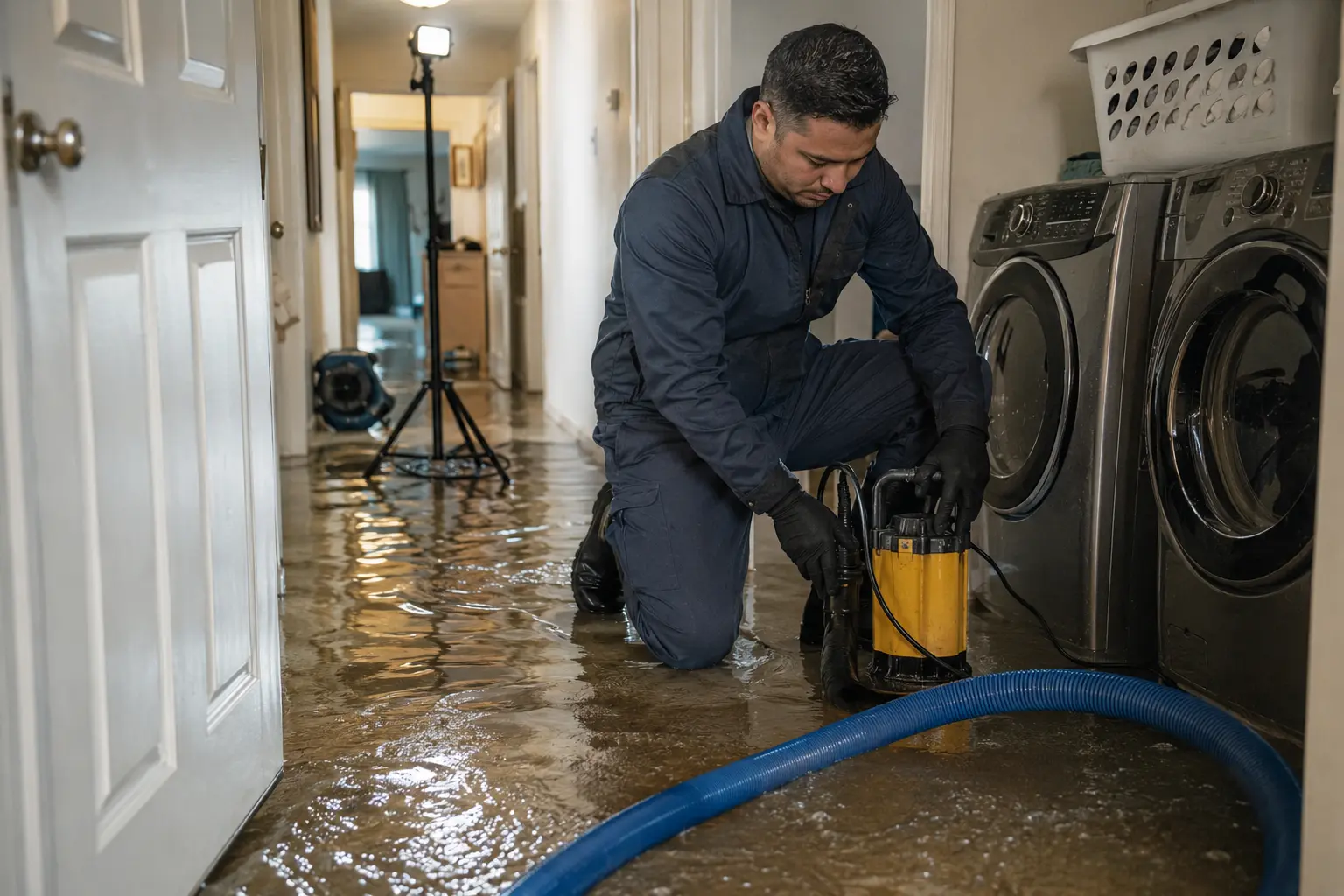
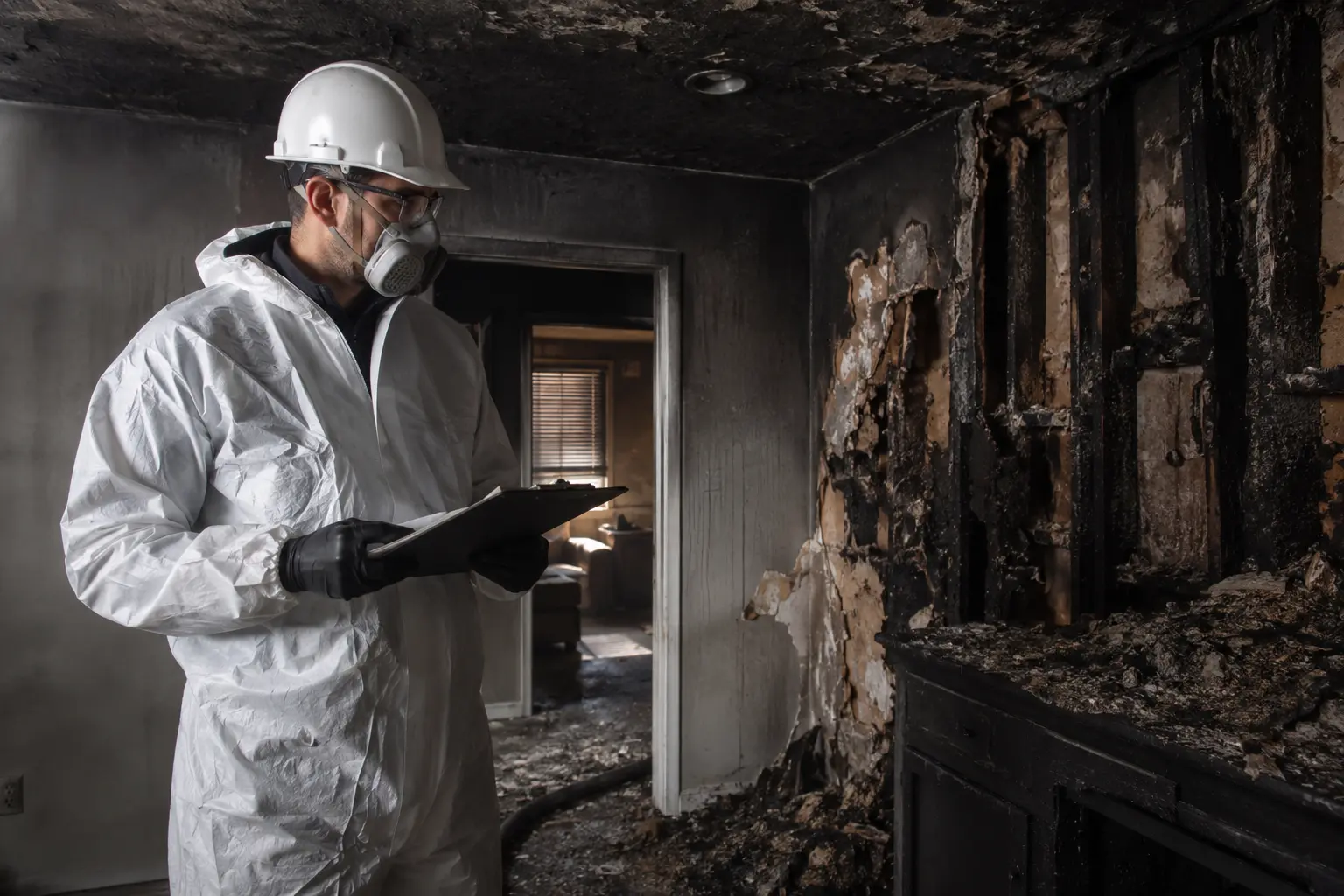
Any event involving Category 3 water, sewage backup, floodwater from outside, or any water with confirmed fecal contamination, warrants temporary relocation of occupants, particularly children, elderly individuals, and anyone with compromised immunity, from the affected areas until professional cleanup and post-remediation verification are complete. The pathogen levels in black water create genuine health risk that isn’t fully contained simply by staying out of the affected room, since aerosols generated during cleanup can carry contamination into adjacent spaces.
Extensive Mold Growth
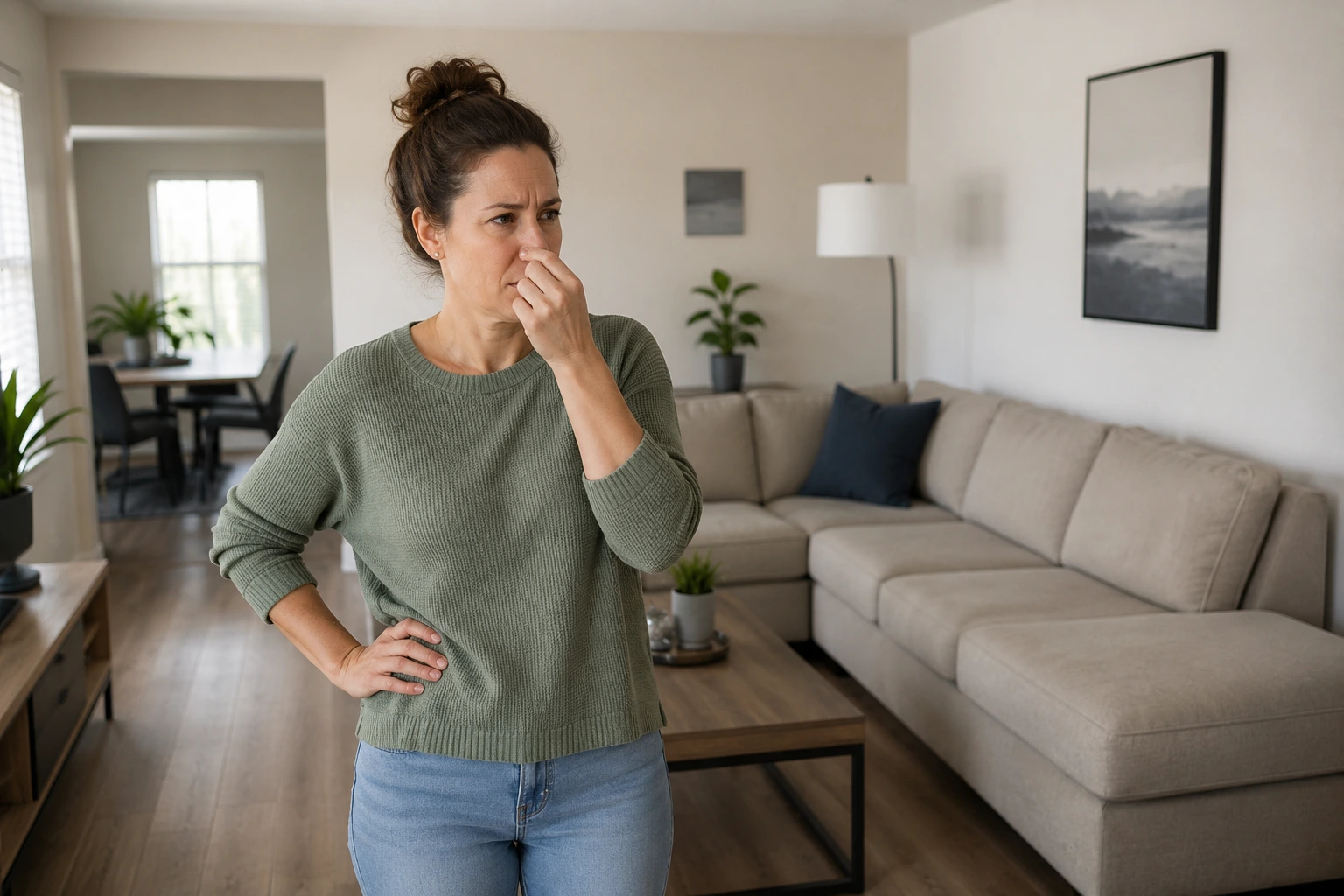
When significant mold is present, particularly in the HVAC system or in multiple locations throughout the property, professional remediation work involves disturbing mold colonies in ways that temporarily elevate airborne spore concentrations significantly above normal background levels. Proper containment and air scrubbing manage this risk within the work zone, but the precautionary response for sensitive individuals (asthmatic, immunocompromised, pregnant, very young or elderly) is to stay elsewhere during active remediation rather than relying entirely on the containment being perfect. Healthy adults may be less affected, but the conservative choice for households with vulnerable members is temporary relocation during the most disruptive phases of mold remediation work.
Structural Safety Concerns
Any situation where water damage has compromised the structural integrity of floors, ceilings, or walls to the point where collapse risk is a concern requires evacuation of the affected area until structural assessment and stabilization are complete. A sagging ceiling, a soft or bouncy floor suggesting compromised joists, or any visible structural movement are signals to keep occupants out of that area and consult with a restoration professional or structural engineer before reentry.
Electrical Hazards
Water in proximity to electrical panels, in contact with wiring, or above light fixtures and junction boxes creates shock and fire risk that requires the affected electrical circuits to be shut off before occupying the space. If water has affected multiple circuits or the main panel, the entire home may need to have power shut off to affected areas until an electrician certifies the system is safe, which effectively makes occupancy impractical.
Large-Scale Events Affecting Multiple Rooms or the Entire Floor Plan
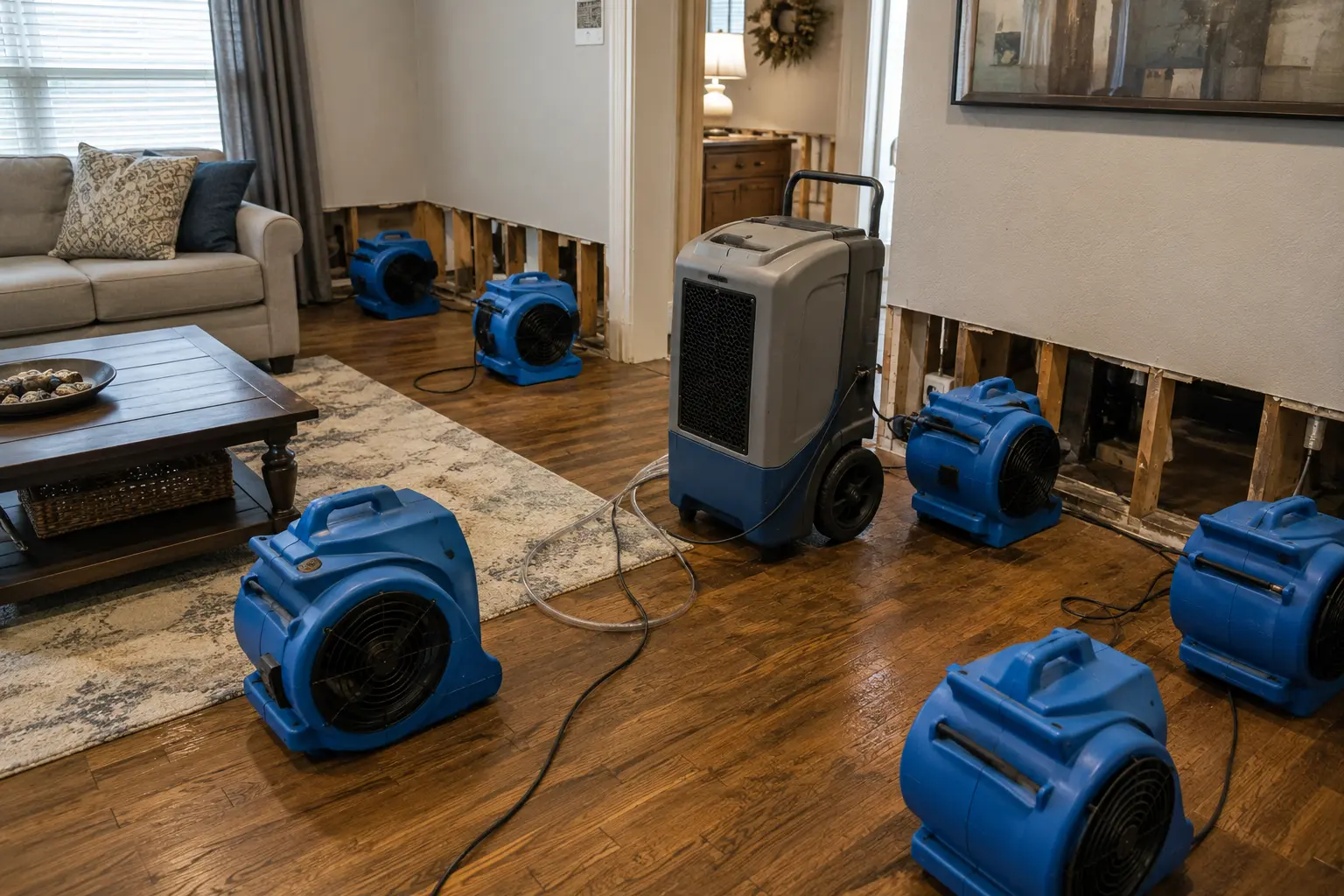
When water damage is extensive enough to require drying equipment running in multiple rooms throughout the home, or when demolition of significant amounts of material is needed, the combination of noise, dust, reduced usable space, and potential air quality impact during work can make occupancy more disruptive than practical. At this scale, the additional living expense coverage in most homeowners policies, which covers reasonable temporary housing costs when a covered loss makes the home uninhabitable or impractical to occupy, becomes relevant.
How Drying Equipment Affects Daily Life During Occupancy
If you decide to remain in the home during a drying period, understanding what to expect from the equipment helps manage the disruption.
Noise is the most immediate daily impact. Commercial air movers produce a continuous fan noise roughly comparable to a running vacuum cleaner, though not as high-pitched. Multiple units running simultaneously in a confined space can make normal conversation and sleep in adjacent rooms noticeably more difficult. If equipment is in a bedroom or directly adjacent to a bedroom, this is worth flagging with the restoration company, since repositioning or scheduling certain equipment movements may be possible to reduce nighttime disruption.
Electricity use for running drying equipment continuously for several days adds a noticeable amount to your power bill, though this is typically an eligible expense under your insurance claim’s additional coverage provisions if the event was a covered loss.
Access restrictions to the directly affected area mean some portion of the home’s functional space is unavailable during the drying period, which matters more in a smaller home than a larger one.
Temperature and humidity in the home may shift somewhat during active drying, since dehumidifiers remove moisture and air movers move air throughout the space. Most occupants find this a minor discomfort at most rather than a significant livability issue.
How to Discuss Occupancy With Your Restoration Company
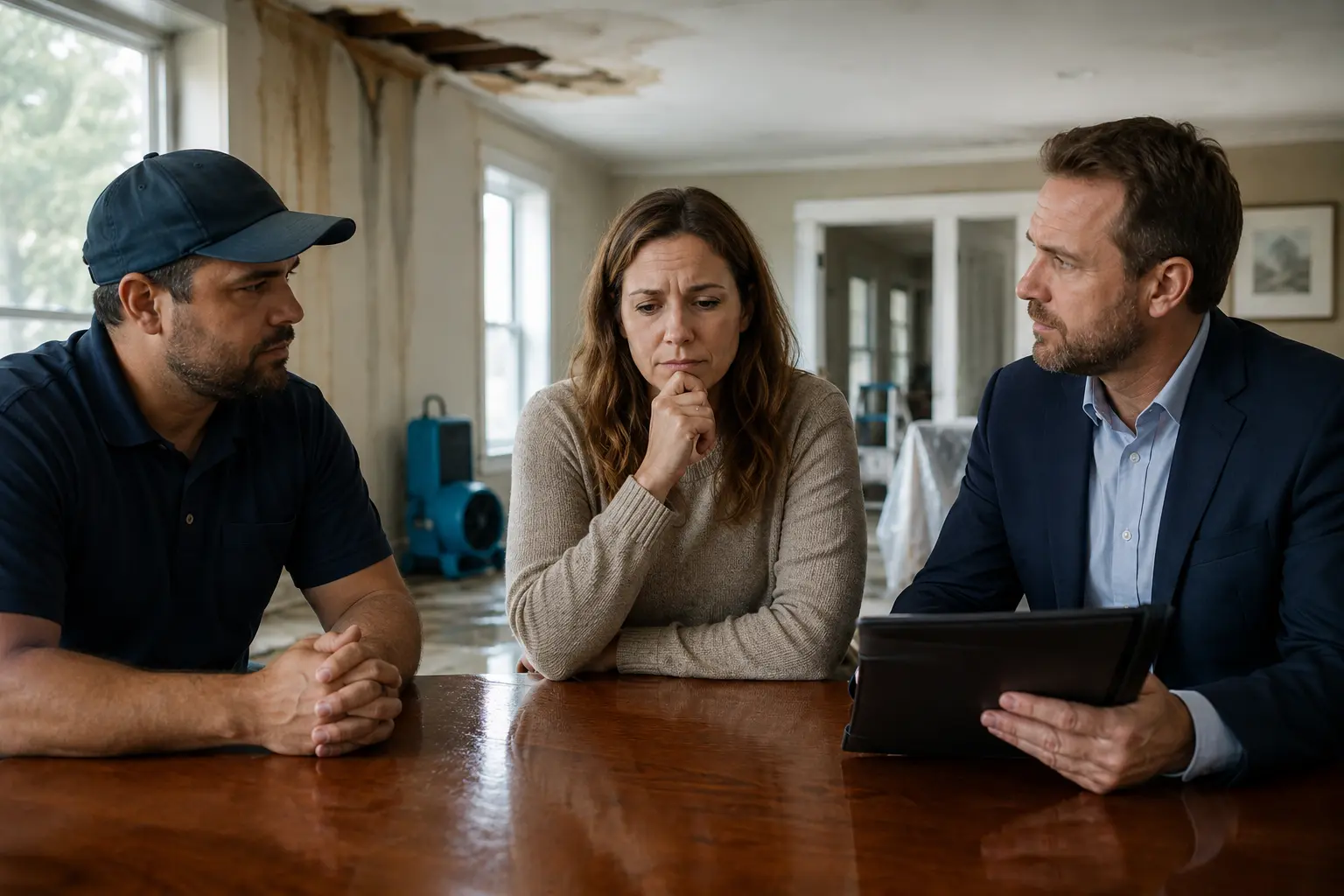
Your restoration company should address the occupancy question directly during the initial assessment, not leave you to figure it out independently. If they don’t raise it, asking these specific questions will get you the information you need:
- Given the water category and extent of damage, is there any health reason we should not remain in the home?
- Are there any electrical hazards that need to be resolved before the home is safe to occupy normally?
- During mold remediation phases, should sensitive family members such as children, elderly, or asthmatic individuals stay elsewhere?
- Will there be any chemical treatments used that require evacuation during application or a waiting period afterward?
A company that gives you clear, specific answers to these questions rather than vague reassurances is providing the information you actually need to make a sound decision.
What Your Insurance May Cover for Temporary Housing
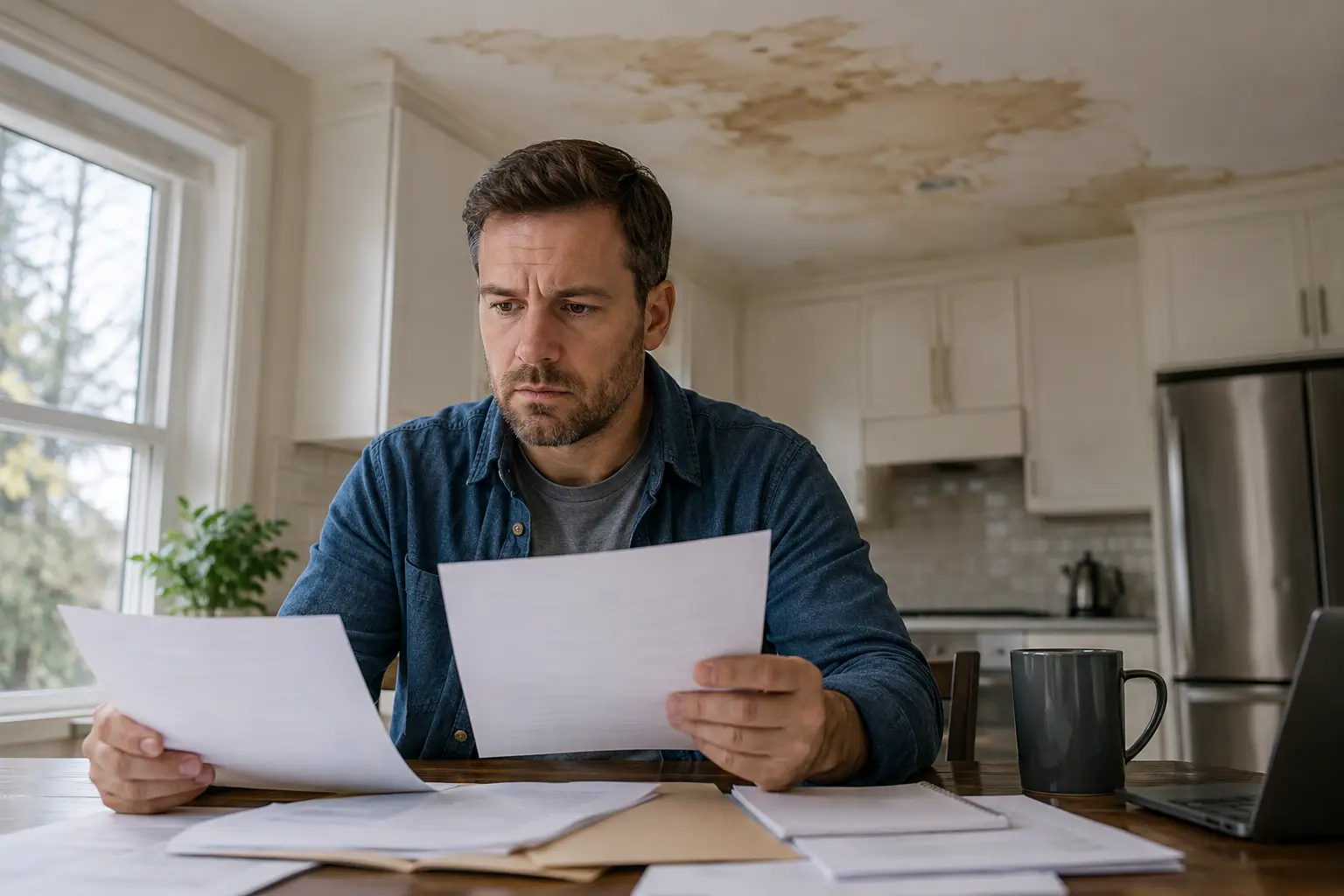
Most homeowners insurance policies include Additional Living Expense (ALE) coverage, sometimes called Loss of Use coverage, which pays for reasonable temporary housing and increased living expenses when a covered loss makes your home uninhabitable. This coverage is worth understanding before an emergency because the qualification threshold, “uninhabitable,” is sometimes interpreted broadly enough to cover situations where remaining in the home is technically possible but genuinely impractical due to the scope of restoration work underway.
ALE claims require documentation of your normal living expenses compared to the expenses incurred during temporary housing, and most policies have a coverage period and dollar limit that applies. Contacting your insurance company about ALE coverage as early as possible after a significant water damage event, rather than waiting to see whether you will need to leave, helps you understand your options before the decision is urgent. See our guide on water damage insurance claims in Los Angeles for more on how to navigate the claims process.
How Occupancy Decisions Differ for Renters vs Homeowners
Renters and homeowners face different practical and financial considerations when deciding whether to stay or temporarily relocate during water damage restoration, and understanding these differences helps each make a better-informed decision.
Homeowners have direct control over both the restoration decisions and the occupancy decision. They can directly assess the restoration company’s recommendation, review their insurance coverage for additional living expense, and make the decision based on their own comfort level with the conditions in the home during the process.
Renters are in a more complex position because they typically don’t control the restoration process itself, that decision belongs to the landlord or property management company. If the restoration work being done makes the unit genuinely uninhabitable or unhealthy to occupy, California tenant law provides protections including the right to a rent reduction for the period the unit is substantially unusable and, in severe cases, the right to terminate the lease if the unit becomes permanently uninhabitable. Renters who are displaced should document the conditions that make the unit uninhabitable in writing, communicate formally with property management about the situation, and review their renters insurance policy for additional living expense coverage since renters insurance typically includes this coverage just as homeowners insurance does.
The key for renters is to document everything in writing rather than relying on verbal assurances from property management about timelines or conditions, since written communication creates the record needed to support any tenant rights claims if the situation is mishandled or the repair timeline extends unreasonably.
How to Assess Air Quality During Restoration for Sensitive Household Members
For households with members who have asthma, allergies, or other respiratory sensitivities, understanding air quality during restoration work is more than a general comfort consideration. Even with proper containment during mold remediation or contamination cleanup, airborne particle levels in the occupied areas of the home can rise during active work phases as a result of construction activity, dust from demolition, and equipment exhaust pathways. Several practical approaches help manage this.
A portable HEPA air purifier running in the rooms where sensitive individuals are spending time during the restoration period provides meaningful reduction in airborne particulates in those specific areas, creating a cleaner air zone within the overall space. These units are inexpensive to rent or purchase and can make a significant difference in day-to-day comfort during a restoration that is taking several days.
Keeping sensitive household members out of the building during the most active demolition or removal phases, specifically when materials are being cut, broken, or removed rather than just when equipment is running, reduces peak exposure even if they return to the home afterward. Active demolition is consistently the highest-particulate phase of restoration work, and the elevated levels during this specific window are meaningfully higher than during passive drying equipment operation.
Ask the restoration company specifically what phase of work is happening each day so sensitive household members can make informed decisions about being present rather than simply deciding day-by-day based on what seems to be happening when they’re home.
What Happens at the End of Restoration Before You Reoccupy Fully
After restoration work is complete and before you resume full normal use of the restored space, a few final steps confirm the space is genuinely ready rather than just visually finished.
Request the final moisture readings from your restoration company confirming the structure reached dry baseline levels throughout the affected area before rebuilding was completed. This document is your confirmation that the restoration was completed properly and provides the baseline evidence you would need if any mold issue arises in the future that someone attempts to attribute to this restoration event.
Ventilate the restored space thoroughly before resuming full occupancy, particularly if any odor treatment products were used during the process. New building materials like drywall and paint have their own initial off-gassing period, and running the HVAC system with fresh air intake, opening windows, and running exhaust fans for a day before spending significant time in the restored space allows any residual compounds to clear.
Check the restored area after the first significant rain event following completion to confirm no new moisture signs appear. This is the practical test of whether any roof or structural moisture entry point was fully resolved as part of the restoration process, and catching any failure early means addressing it while the restoration scope and documentation are still fresh rather than months later when the connection to the original event may be less clear.
Protecting Your Belongings During Restoration
Whether you remain in the home or relocate temporarily, protecting undamaged belongings in the home during restoration work is worth thinking through proactively. Active restoration work generates dust and debris from demolition, increased humidity during the early drying phase, and equipment movement throughout the home. Covering furniture and belongings in adjacent rooms with plastic sheeting, moving valuables or irreplaceable items to a safe location outside the work zone, and asking the restoration company how they will protect unaffected areas during the work all reduce the risk of secondary damage to belongings from the restoration process itself.
If you have concerns about the safety of remaining in your Los Angeles home during water damage restoration, our team provides a clear assessment of occupancy risk during the initial evaluation and communicates honestly about what phase of work, if any, warrants temporary relocation. See our guide on how to prevent mold after water damage for what the complete restoration process involves from beginning to end.
Dealing with water damage and unsure whether to stay or go? Call ASAP Water Damage Restoration for an honest assessment of your specific situation, available 24/7 across Los Angeles.
Keep reading
- Burst Pipe Cleanup
- Water Damage Categories Explained: Clean, Gray, and Black Water
- What to Do in the First 60 Minutes (and 24 Hours) After Water Damage
Need help now? See our 24/7 water damage restoration in Los Angeles or call (323) 677-2811, 24/7.