Measured Drying for Every Los Angeles Home and Building
The carpet feels dry by evening, so the whole job seems finished. Underneath, padding, subfloor and wall cavities stay soaked, quietly feeding future mold growth.
Our crews dry the building itself, not only its surfaces. Commercial equipment runs while our technicians track moisture every day until each material reads normal.
IICRC drying standards | Commercial dehumidifiers | Daily moisture logs | Mold prevention built in | Adjuster-ready reports
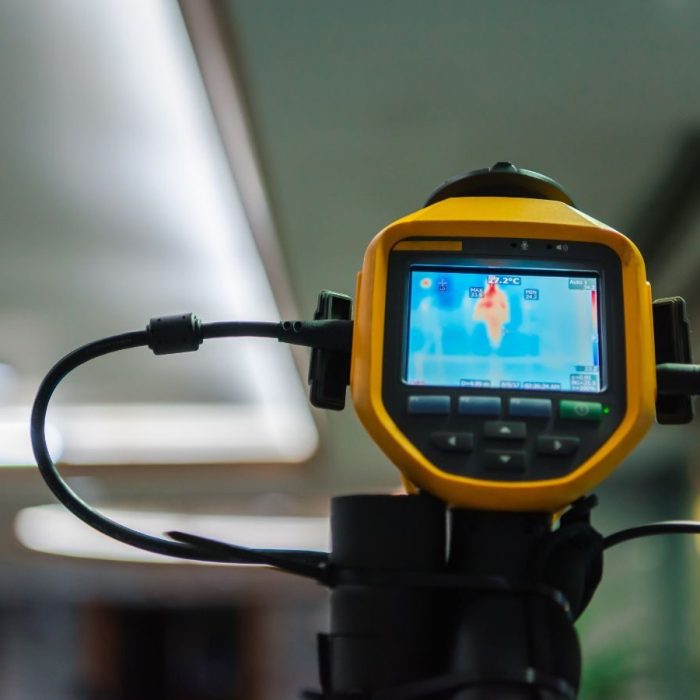
It is the planned removal of water trapped in framing, subfloor, drywall and concrete, using controlled airflow and dehumidification that our own daily readings verify.
Ordinary room fans only touch what you can see. Without dehumidifiers and meters, the moisture inside the building stays put and shows up later as odor, cupping and mold.
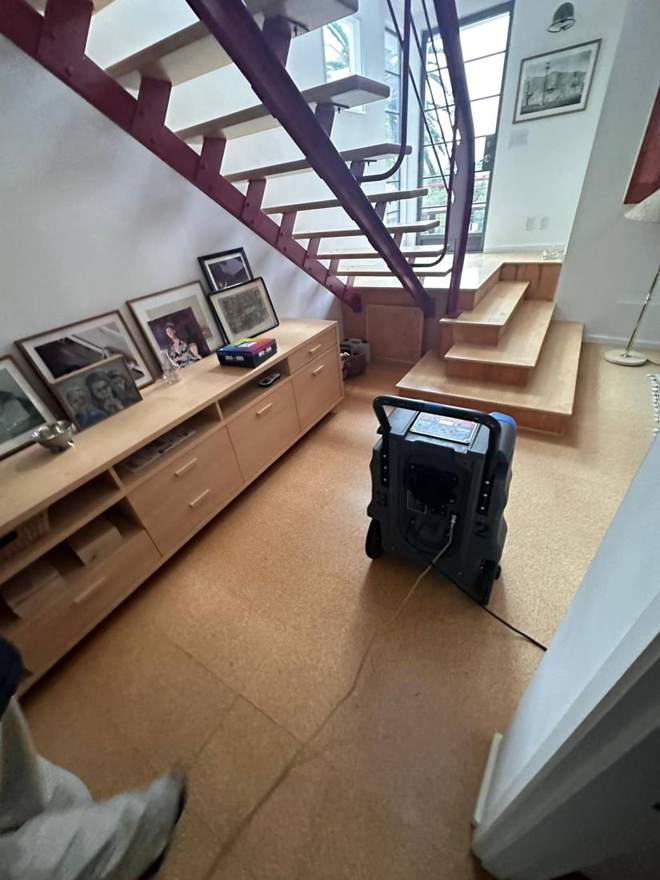
Ordinary room fans only touch what you can see. Water soaks into building materials and settles in places that stay wet after surfaces look fine.
Water climbs drywall from the floor and collects along the bottom plate, trapped where circulating room air cannot reach it.
Padding behaves like a sponge, pressing water into the subfloor for days while carpet fibers above already feel completely dry.
Moisture caught under wood swells boards from beneath, so cupping shows up weeks later on floors that looked perfectly fine.
Plywood, particleboard and floor joists soak up water from above or below and release it slowly without strong, targeted airflow.
Cabinet bases sit on wet subfloor against damp walls, forming dark, closed pockets where mold usually appears before anywhere else.
Saturated batts sag, lose insulating value and press trapped moisture against nearby wooden studs and joists until they come out.
Damage can look repaired while moisture stays locked inside. Any of these after a leak or flood means the structure still holds water somewhere hidden.
A smell developing days after cleanup means damp materials never fully dried and are now quietly supporting hidden mold growth.
Trim that splits, softens or bubbles along the paint line shows water still wicking steadily upward from saturated flooring below.
Wood edges lifting or planks rising a week after a leak show the subfloor underneath is still steadily releasing moisture.
Bubbling or peeling paint low on walls reveals drywall holding water behind it, often higher than any visible stain shows.
A sticky, humid feeling in one room suggests wet materials are still releasing moisture into that space every single day.
Water marks that grow on walls or ceilings after the leak was repaired mean moisture is still traveling through materials.
Drying depends on three forces working together: moving air, low humidity and steady warmth. We choose and position every unit for your rooms and materials.
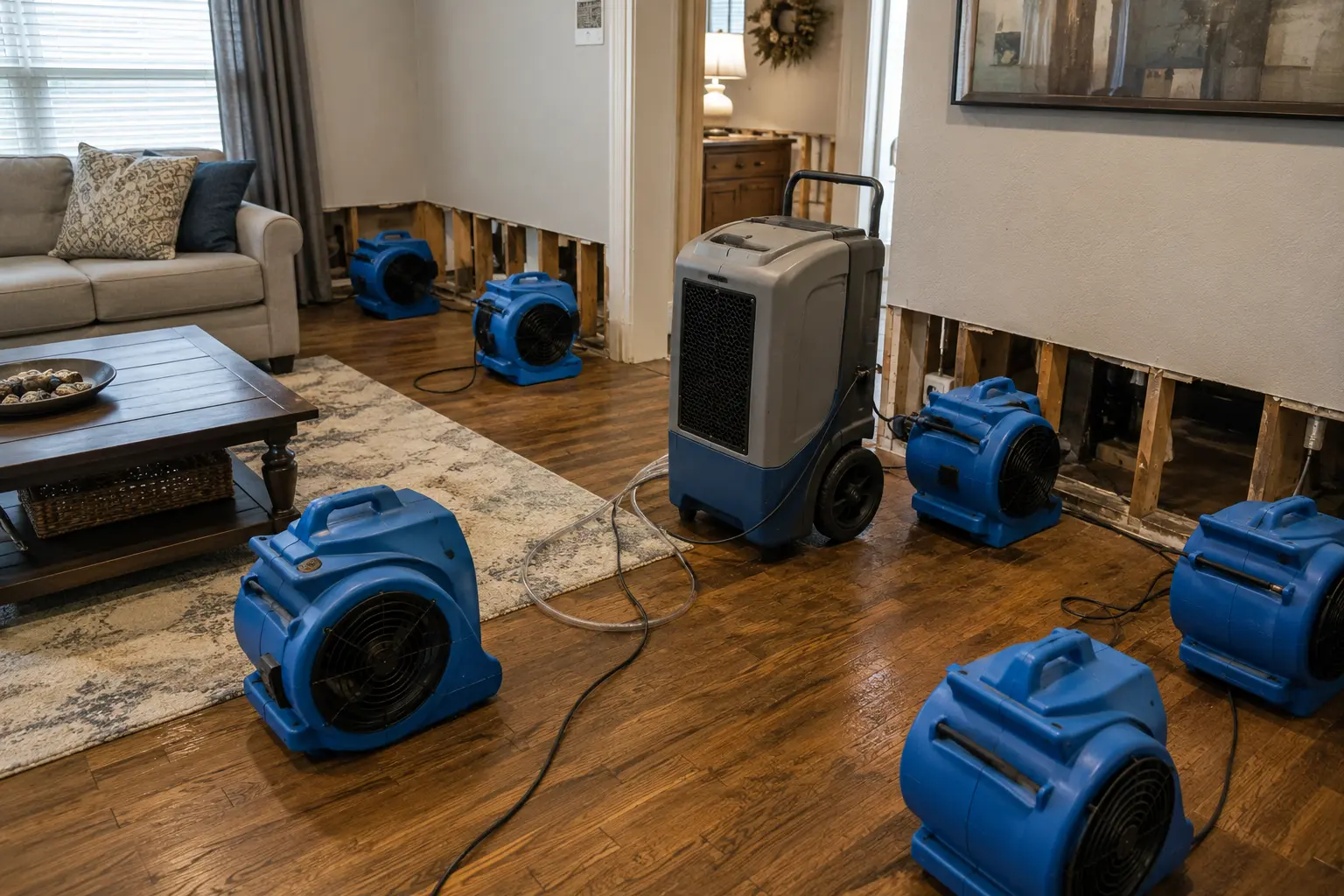
Refrigerant dehumidifiers run nonstop, pulling vapor out of the room so moisture leaving wet materials never settles back in again.
In dense materials or cool rooms, desiccant units pull air drier than refrigerant models, speeding evaporation from wood and slabs.
Angled along walls and floors, these fans sweep dry air across damp surfaces, breaking the humid boundary layer slowing evaporation.
Small ports or panels feed dry air into closed wall cavities, frequently saving drywall that would otherwise be cut out.
Suction panels placed over wood flooring draw moisture up through the boards, giving soaked hardwood a genuine chance to dry.
HEPA scrubbers capture dust and spores while drying runs, which matters most whenever water was dirty or mold already appeared.
The IICRC S500 standard groups every water loss by contamination level and how much evaporation it needs. Both factors decide how we plan the job.
Water from a sanitary source, such as a broken supply line. Many materials can be dried in place.
Water carrying some contamination, such as a washer or dishwasher overflow. Expect extra cleaning and removal of some porous items.
Grossly contaminated water, such as a sewage backup or outdoor flooding. Porous materials are removed and protective gear is worn throughout.
How much water soaked in and how hard it is to evaporate, from one damp corner up to saturated hardwood or concrete. This sets unit count, placement and drying time.
Our Process
Pumps and wands clear pooled water first, since fans and dehumidifiers work poorly while standing water still covers the floor.
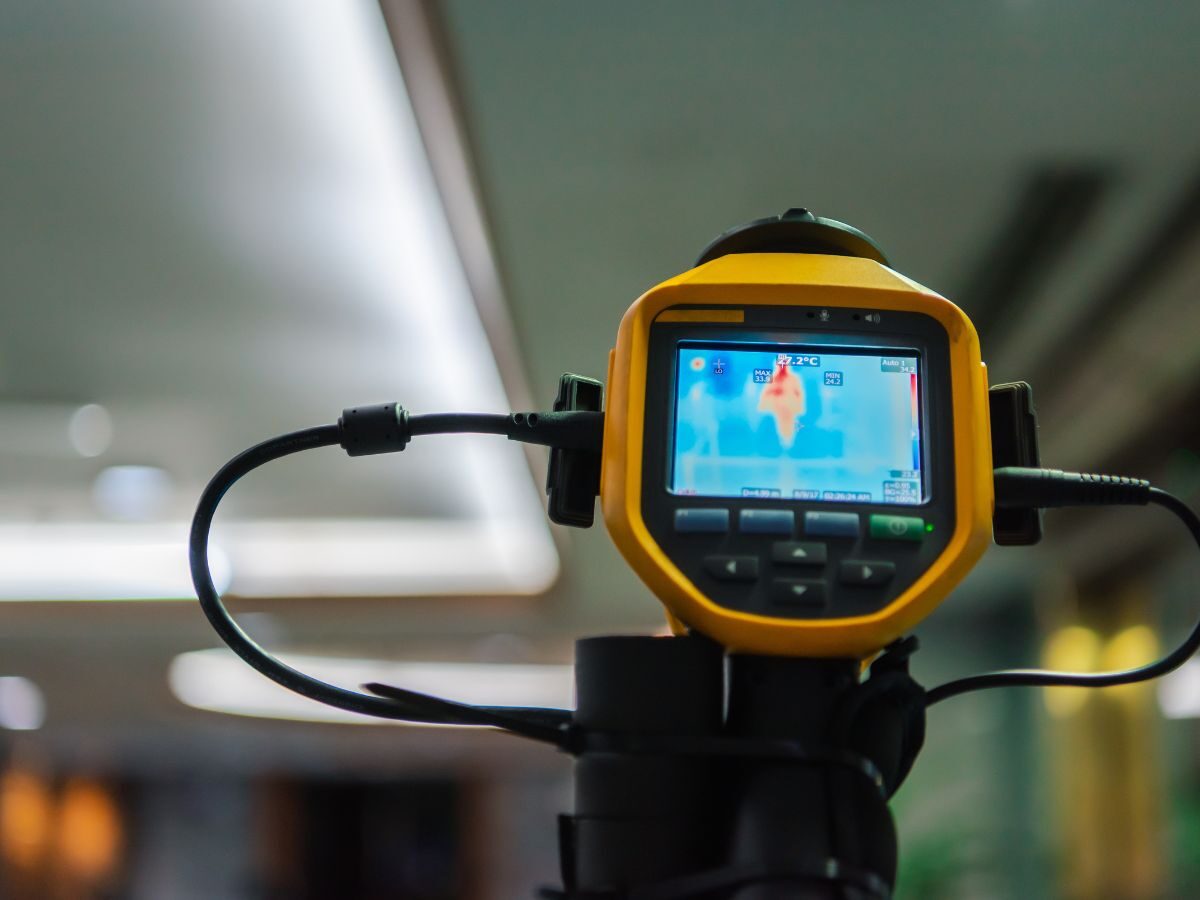
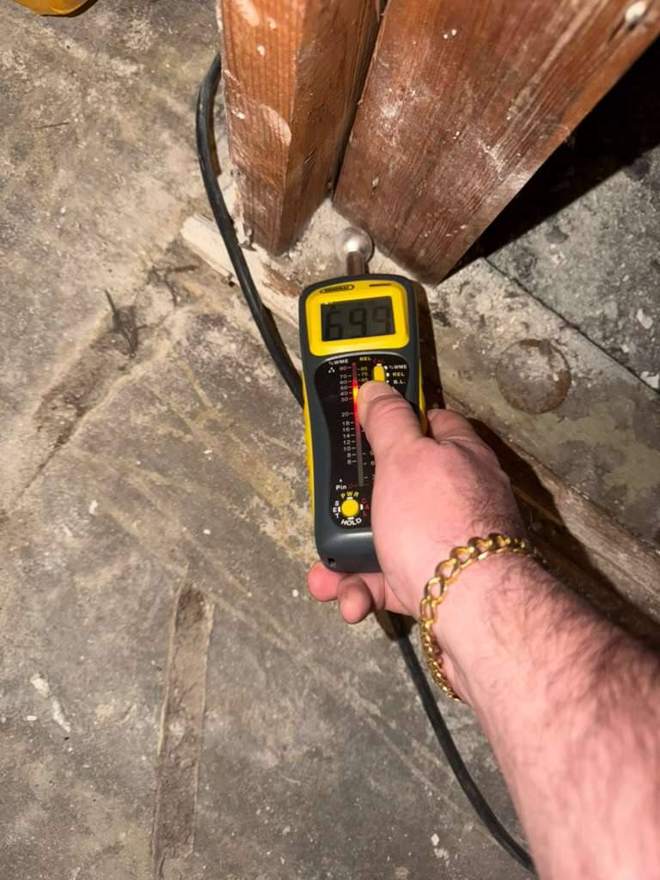
Meters and thermal cameras trace each damp zone, including the hidden spots inside walls, below flooring and under kitchen cabinets.
We test untouched materials elsewhere in your home, so each soaked wall and floor gets a realistic, measurable dry target.
Baseboards may come off or small holes get drilled, letting dry air reach closed cavities without any major demolition work.
Dehumidifiers and air movers are placed for the layout of each room, then moved as conditions shift across the whole drying period.
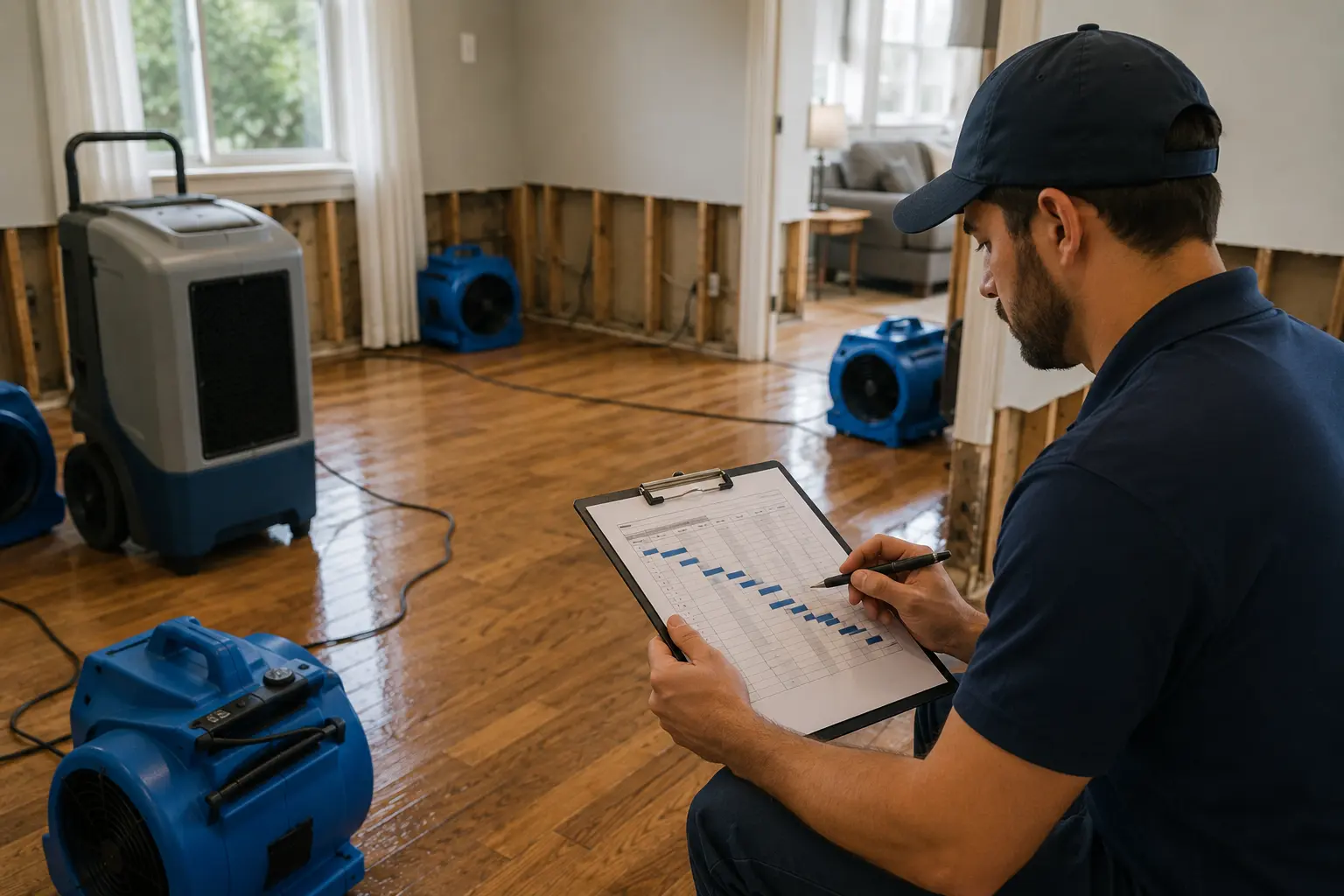
Technicians return daily to log readings, adjust the equipment and pull any material that clearly is not drying fast enough.
When every material hits its target, equipment leaves and you receive the full moisture log for your records and insurer.
Dry is something we measure, never something we guess. These four checks tell us when your materials truly match normal and repairs can safely begin.
Untouched walls and floors in your home set the baseline, since normal moisture levels differ by material, room and building.
Readings taken at the same marked spots daily show whether every material is truly drying at a steady, predictable pace.
Hygrometers measure the moisture held in the air, telling us whether dehumidifiers keep up with water leaving the wet materials.
Before equipment leaves, an infrared scan confirms that no cool, damp patches remain hidden behind walls, ceilings or under floors.
Keeping materials costs far less than tearing them out and rebuilding. What can stay depends on the water category and how long everything sat wet.
Mats and focused airflow draw water from the planks before cupping sets in, preserving flooring that already matches your house.
Walls soaked by clean water usually dry through a few small openings, avoiding complete tear out and repainting entire rooms.
After a clean water leak, carpet is often extracted and dried in place, though the soaked padding underneath gets replaced.
Concrete releases water slowly, so dehumidifiers and air movers stay longer to bring slab readings back down to normal levels.
Subfloor plywood, joists and crawl spaces dry with air pushed underneath, protecting the framing that carries the whole floor above.
Kick plates come off and airflow is directed into each hollow base, so most cabinets stay installed rather than replaced.
Every property dries differently, so you receive a written estimate after we map the moisture and before any equipment starts running. Five factors shape it.
Larger square footage calls for more dehumidifiers and air movers, adding rental days and extra technician visits to the total.
Clean water lets more materials dry in place, while dirty water adds cleaning, protective gear and removal of porous items.
Hardwood, concrete and plaster hold water longer than drywall or carpet, so they keep the drying equipment running extra days.
Water handled within hours stays near the surface, while water sitting for days travels deeper and takes longer to remove.
Mold behind baseboards or ruined materials found during drying adds new remediation or replacement work to the final scope of the job.
Most drying projects run for several days, depending on how much water entered and which materials absorbed it. Readings set the finish date, not calendars.
Hardwood, plaster and concrete need longer than drywall and carpet. We share every daily reading, so you always know how close the finish line is.
When the water loss itself is covered, drying is normally handled within that claim. These points come up most often with Los Angeles property owners.
Every policy reads differently, so confirm details with your agent. We provide moisture logs, photos and a written scope, and our insurance claim assistance team speaks with adjusters directly.
Water removal and drying have anchored our work across Los Angeles for over twenty-five years, through every kind of loss.
Our IICRC certified crews follow the S500 standard for categories, classes, unit placement and drying goals they can truly measure.
Dehumidifier capacity and air mover count are matched to each space and its materials, never a generic or oversized setup.
A trained technician reviews readings and adjusts units daily, so drying stays on schedule and small problems show up early.
Wall cavity systems, floor mats and careful readings help keep drywall, hardwood and cabinets in place whenever drying allows it.
Moisture maps, daily logs and photos explain each equipment day, making the drying portion of any claim simple to justify.
Antimicrobial treatment and fast, steady drying stop growth before it starts, and full remediation is ready if mold already exists.
Full licensing and coverage safeguard your property, and a real person answers our phone 24/7 for urgent drying calls anywhere.
Structural Drying Across Los Angeles
Hillside houses, beach cottages and downtown high rises all receive the same careful drying, with our crews leaving 925 N La Brea Ave each morning.
We proudly serve homeowners, businesses and property managers across:
FAQs
It means pulling water out of the building itself, like framing, subfloor, drywall and concrete, using dehumidifiers, air movers and daily readings until each material returns to its normal level.
Most projects last several days. Timing depends on how much water got in, which materials absorbed it and how quickly drying started. Daily readings, not guesses, decide the finish date.
Fans only move air across surfaces. They cannot pull water from wall cavities, subfloors or padding, so without dehumidifiers and meters, hidden moisture often stays behind and feeds mold later.
First, extraction clears standing water. Evaporation then moves moisture from materials into the air, dehumidifiers capture it, and steady, mild warmth keeps the cycle going strong all day and night.
We compare readings from wet materials with untouched areas inside the same home. Once every marked point matches its dry reference, the equipment comes out and repairs can safely begin.
Sometimes, though only small ones. Pulling baseboards or drilling discreet holes lets dry air into closed cavities, which often saves the drywall itself from removal and a costly replacement later.
Often, when drying starts quickly and the water was clean. Floor drying mats and targeted airflow draw moisture from the planks before cupping or buckling turns into permanent, expensive damage.
Right away, ideally during the first day. The longer materials stay wet, the deeper water travels and the more likely mold becomes inside walls, floors and the cabinets above them.
Evaporation never takes a break, so dehumidifiers and air movers work around the clock. Switching them off lets humidity climb again, slows the whole job and usually adds extra days.
Air movers and dehumidifiers do make a steady hum. We place every unit thoughtfully, explain what it is doing and shift positions when possible so bedrooms and workspaces stay usable.
If the water loss itself qualifies, drying normally qualifies too, because it prevents further damage. Our daily moisture logs show your adjuster exactly why each piece of equipment was needed.
The equipment is removed, final readings are recorded and you receive the drying log. Damaged drywall, flooring or trim can then be repaired, because every material is now confirmed dry.
Serving Los Angeles, CA & Surrounding Areas
If you suspect hidden moisture after a flood, leak, or plumbing issue, don’t delay. Call ASAP Water Damage Restoration now or fill out our quick contact form for a free estimate. Call us at: (323) 677-2811
Every hour water sits, it spreads deeper inside. Call ASAP Water Damage Restoration Los Angeles at (323) 677-2811 anytime, or send the short form below.