Not all water damage is created equal. When water enters your Los Angeles property, the type of water involved determines the severity of health risks, the appropriate restoration procedures, and the materials that can be salvaged versus those requiring complete removal.
Professional water damage restoration follows industry-standard classifications that categorize water contamination levels. Understanding these categories helps property owners respond appropriately to water emergencies and recognize when professional services are absolutely necessary for health and safety.
This comprehensive guide explains the three water damage categories, what causes each type, how they’re handled differently, and why professional assessment is critical.
The IICRC Water Damage Classification System
The Institute of Inspection, Cleaning and Restoration Certification (IICRC) established water damage standards that restoration professionals worldwide follow. The IICRC S500 Standard classifies water into three categories based on contamination level:
- Category 1: Clean Water
- Category 2: Gray Water
- Category 3: Black Water
These categories reflect the water’s condition at the time it contacts building materials. Water category can change over time, as clean water absorbs contaminants from materials or sits stagnant long enough to support bacterial growth.
Professional restoration technicians assess water category during initial inspection to determine appropriate safety procedures, equipment needs, and material handling protocols.
Category 1: Clean Water Damage
Category 1 water originates from sanitary sources and does not pose substantial health risks through exposure or ingestion at the time of contact with structural materials.
Common Category 1 Water Sources
Supply Line Failures: Broken water supply pipes, whether from freeze damage, corrosion, or mechanical failure, initially release clean potable water. Los Angeles properties with older galvanized pipes experience these failures more frequently than newer homes with copper or PEX plumbing.
Water Heater Leaks: Tank-style water heaters can develop leaks from failed temperature and pressure relief valves, deteriorated tanks, or loose drain valves. The water released is clean when it first escapes.
Appliance Supply Line Breaks: Refrigerator ice maker lines, washing machine supply hoses, and dishwasher connections sometimes fail suddenly, releasing clean water under pressure.
Sink or Tub Overflows: When a clean water source overflows due to a left-open faucet or faulty shutoff, the water is Category 1 initially.
Toilet Tank Leaks: Water leaking from toilet tanks (not bowls) starts as Category 1 since tank water comes directly from the supply line.
Rainwater: Fresh rainwater entering through roof leaks or around windows is Category 1 when it first enters the structure.
Snow Melt: Water from melting snow that enters through roofing or foundation penetrations begins as clean water.
Category 1 Health Risks
While classified as clean, Category 1 water is not necessarily safe for consumption once it has contacted building materials. The water may pick up contaminants from surfaces even in the first moments after release.
More importantly, Category 1 water does not remain clean for long. Within hours, clean water can deteriorate to Category 2 as it:
- Contacts dust, dirt, and debris on surfaces
- Soaks into materials containing organic matter
- Sits stagnant and supports bacterial growth
- Mixes with substances in the environment
Category 1 Restoration Procedures
Professional restoration for Category 1 water damage focuses on rapid extraction and thorough structural drying to prevent contamination and mold growth:
Immediate Actions:
- Stop the water source if still active
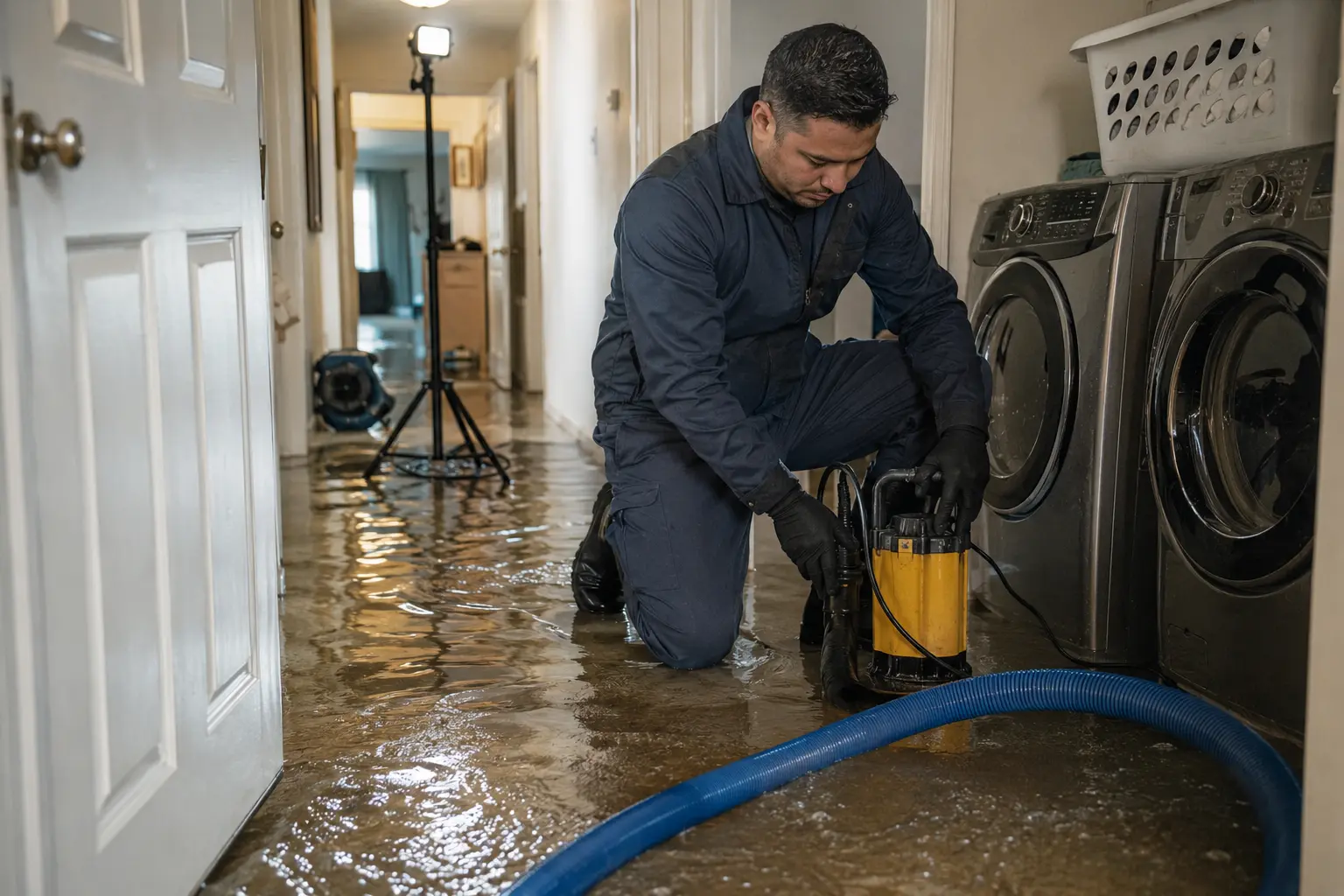
- Extract standing water with professional equipment
- Remove wet contents and salvageable items
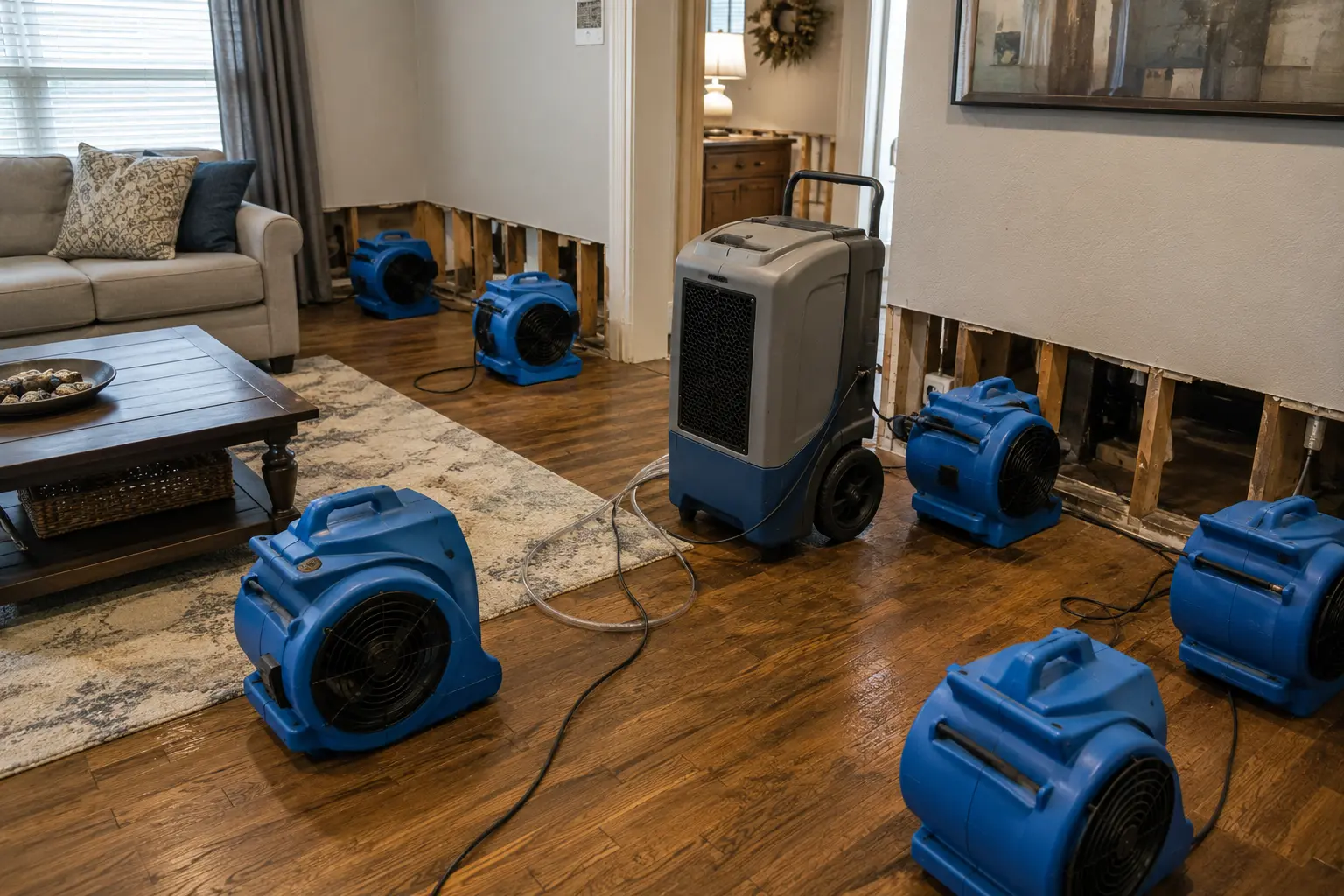
- Begin structural drying with air movers and dehumidifiers
- Monitor moisture levels throughout affected materials
Material Handling:
- Most porous materials can be salvaged if dried within 24-48 hours
- Carpet and padding may be dried in place if contamination is minimal
- Drywall can often be saved if dried thoroughly
- Wood materials can be restored with proper drying
- Insulation should be evaluated case-by-case
Our water extraction services provide rapid removal of Category 1 water to prevent deterioration to higher contamination categories.
Time-Dependent Category Changes
Category 1 water does not remain clean indefinitely:
0-48 Hours: Water remains Category 1 if extracted and drying begins promptly. Materials can typically be salvaged with professional drying.
48+ Hours: Clean water left standing or trapped in materials deteriorates to Category 2. Bacteria begin multiplying, and contamination increases significantly.
1 Week+: All standing water becomes Category 3 regardless of original source. Complete material removal becomes necessary.
This deterioration timeline emphasizes why immediate professional response matters even for clean water events.
Category 2: Gray Water Damage
Category 2 water contains significant contamination that can cause discomfort or illness if contacted or consumed. This water has a level of microorganisms or nutrients that support bacterial growth.
Common Category 2 Water Sources
Washing Machine Discharge: Water from washing machines contains detergents, dirt from clothes, and potentially bacteria from soiled garments. When discharge hoses fail or machines overflow, the released water is Category 2.
Dishwasher Overflows: Dishwasher water contains food particles, grease, and detergent chemicals. Overflows or supply line failures release contaminated water.
Toilet Overflows (No Feces): When toilets overflow with only urine or clean water (from a faulty fill valve), the water is Category 2 due to bacteria present in bowls even without fecal matter.
Sump Pump Failures: Sump pumps collect water from below-grade areas that may contain soil bacteria, chemical contaminants, and organic matter. When pumps fail or discharge back into structures, the water is Category 2.
Aquarium Leaks: Large aquariums contain bacteria, fish waste, and organic materials that make the water Category 2 when released.
Waterbed Leaks: Water in waterbeds can contain additives, bacteria from the sleeper, and has typically been stagnant for extended periods.
Category 1 Water After 48 Hours: As mentioned previously, clean water that remains unaddressed for more than 48 hours deteriorates to Category 2.
Category 2 Health Risks
Gray water poses several health concerns:
Bacterial Contamination: Various bacteria species may be present, causing gastrointestinal distress, skin infections, or respiratory irritation if exposure occurs.
Chemical Irritants: Detergents, cleaning products, and other chemicals create skin and eye irritation risks.
Allergens: Particulates and organic matter can trigger allergic reactions or asthma attacks in sensitive individuals.
Disease Transmission: While less dangerous than black water, gray water can still transmit certain illnesses, particularly to immunocompromised individuals.
Category 2 Restoration Procedures
Gray water requires more stringent protocols than clean water:
Safety Measures:
- Technicians wear protective equipment including gloves and boots
- Affected areas are isolated from occupied spaces when possible
- Air filtration may be used during work
Extraction and Removal:
- Rapid extraction of all standing water
- Heavily saturated porous materials are often removed rather than dried
- Carpet padding typically requires removal even if carpet is salvageable
- Insulation in contact with gray water should be removed
Cleaning and Sanitization:
- All contacted surfaces cleaned with antimicrobial solutions
- Structural materials treated with EPA-registered disinfectants
- Non-porous surfaces thoroughly washed and sanitized
- Air quality measures implemented during drying
Structural Drying:
- Professional structural drying and dehumidification continues until materials reach proper moisture content
- Moisture monitoring ensures no residual dampness remains
- Final inspection confirms complete drying and proper sanitization
Material Salvageability
Category 2 water damage requires more aggressive material removal:
Usually Removed:
- Carpet padding
- Insulation in direct contact with water
- Porous materials heavily saturated
- Materials that cannot be thoroughly cleaned
Potentially Salvageable:
- Hardwood flooring if dried quickly and properly
- Drywall if minimally affected and dried within 48 hours
- Carpet if professionally cleaned and disinfected
- Non-porous materials after thorough cleaning
Professional judgment determines which materials can be safely restored versus those requiring replacement.
Category 3: Black Water Damage
Category 3 water is grossly contaminated and contains pathogenic, toxigenic, or other harmful agents. Contact with this water poses serious health risks and requires strict safety protocols.
Common Category 3 Water Sources
Sewage Backups: The most common source of black water in residential properties. Raw sewage contains fecal matter, urine, bacteria, viruses, and parasites that create extreme health hazards. Our sewage cleanup and black water removal services handle these dangerous situations with appropriate safety measures.
Toilet Overflows with Feces: Any toilet overflow containing fecal matter immediately becomes Category 3.
Flooding from Rivers or Streams: Natural waterway flooding introduces Category 3 water containing soil bacteria, agricultural runoff, wildlife waste, chemical contaminants, and potentially industrial pollutants.
Storm Surge and Seawater: Ocean water contains bacteria, salt, and potentially sewage from overwhelmed treatment systems.
Rising Groundwater: Water entering basements or crawlspaces from below grade typically contains soil bacteria and contaminants.
Category 2 Water After Extended Time: Gray water left unaddressed for extended periods (typically days) deteriorates to Category 3 as bacterial growth reaches dangerous levels.
Stagnant Water: Any standing water that has been present for more than 7 days becomes Category 3 regardless of original source.
Category 3 Health Risks
Black water poses severe health hazards:
Pathogenic Bacteria: E. coli, Salmonella, and other disease-causing bacteria are often present in concentrations that can cause serious illness.
Viruses: Hepatitis, Norwalk virus, and other viral agents may contaminate black water.
Parasites: Cryptosporidium, Giardia, and other parasitic organisms can survive in contaminated water.
Fungi and Mold: Black water accelerates mold growth and may contain toxic fungal species.
Chemical Contaminants: Depending on source, black water may contain pesticides, heavy metals, petroleum products, or industrial chemicals.
Biohazard Materials: Waste products, decomposing organic matter, and other biohazards create multiple exposure risks.
Direct contact with black water can cause:
- Severe gastrointestinal illness
- Respiratory infections
- Skin infections and irritation
- Eye infections
- Serious systemic infections in immunocompromised individuals
- Potentially life-threatening disease transmission
Category 3 Restoration Procedures
Black water restoration requires strict safety protocols and specialized procedures:
Personal Protective Equipment:
- Full-body protective suits
- Rubber gloves and boots
- Respiratory protection when needed
- Eye protection
- Proper disposal of all protective equipment after use
Containment:
- Affected areas completely isolated from occupied spaces
- Negative air pressure systems prevent cross-contamination
- HEPA filtration and containment controls airborne contaminants
- Air scrubbers filter air continuously during work
Material Removal:
- ALL porous materials in contact with black water must be removed
- Carpet, padding, insulation, drywall, and other porous items are bagged and properly disposed of
- Removal extends 12-24 inches beyond visible contamination
- Wood framing may require removal if heavily saturated
Cleaning and Disinfection:
- Non-porous surfaces thoroughly washed with EPA-registered disinfectants
- Multiple cleaning passes ensure complete decontamination
- Structural materials treated with antimicrobial solutions
- All tools and equipment disinfected after use
Structural Drying:
- Remaining structural materials dried completely
- Continuous moisture monitoring
- Air quality testing before re-occupation
- Final inspection by certified technician
Waste Disposal:
- Contaminated materials disposed of according to local regulations
- Biohazard protocols followed for sewage-contaminated items
- Documentation maintained for regulatory compliance
Material Salvageability
Category 3 water damage requires aggressive material removal:
Must Be Removed:
- All carpet and padding
- All insulation
- All drywall in contact with water
- All porous building materials
- All fabrics and upholstered furniture
- Most finished wood materials
Potentially Salvageable:
- Solid wood framing if minimally affected and thoroughly disinfected
- Non-porous hard surfaces after extensive cleaning
- Metal components after proper sanitization
- Sealed concrete after professional cleaning
Professional restoration companies cannot salvage materials that health codes prohibit retaining. Black water contamination requires conservative material removal to protect occupant health.
Water Category Changes and Deterioration
Understanding that water category changes over time is critical:
Category 1 to Category 2: Occurs within 48 hours as bacteria multiply and materials release contaminants into water.
Category 2 to Category 3: Happens within days as bacterial counts reach dangerous levels and organic decomposition begins.
Any Water to Category 3: All standing water becomes Category 3 after approximately 7 days regardless of original source.
This deterioration timeline explains why immediate professional response matters. Water damage that starts as a simple clean water event can become a hazardous black water situation if ignored.
Class vs. Category: Understanding Both Systems
While this article focuses on water categories (contamination level), professional restoration also classifies water damage by extent of saturation:
Class 1: Minimal absorption affecting small areas with minimal moisture penetration.
Class 2: Significant absorption affecting larger areas with moisture wicking up walls 12-24 inches.
Class 3: Major absorption from overhead sources, affecting ceilings, walls, insulation, carpet, and subflooring throughout.
Class 4: Specialty drying situations requiring low-humidity drying in materials like hardwood, concrete, and stone.
Category describes contamination; class describes extent. Both classifications inform restoration procedures.
Why Professional Assessment Matters
Determining water category and class requires professional expertise:
Visual Inspection: Certified technicians identify water sources and assess visible contamination.
Moisture Detection: Thermal imaging and moisture meters locate hidden water and determine saturation extent.
Classification Experience: Professionals understand how water categories change and can identify deterioration signs.
Appropriate Response: Correct category classification ensures proper safety measures, material handling, and restoration procedures.
Homeowners without training may misidentify water categories, potentially exposing themselves to health risks or using inappropriate restoration methods.
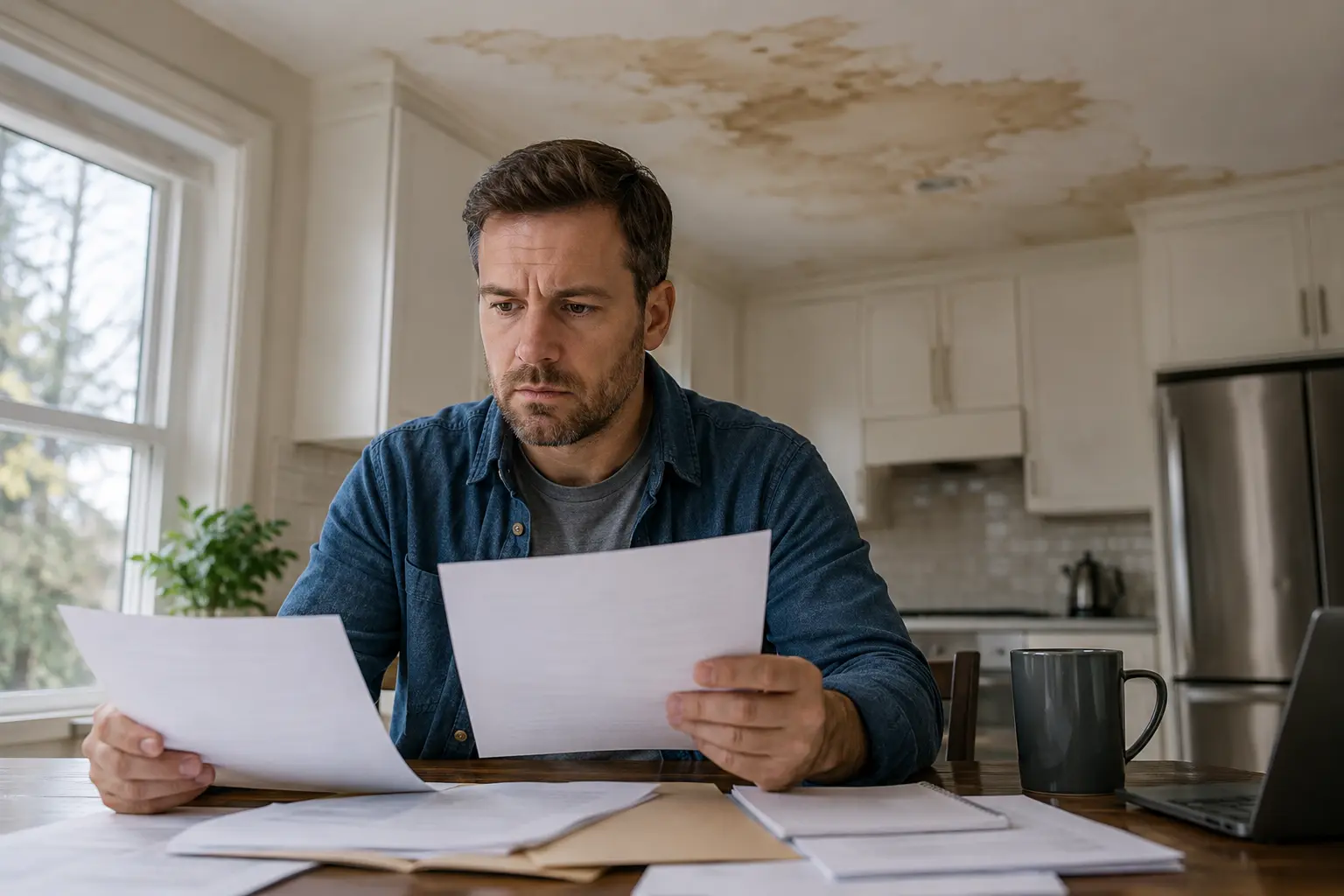
Insurance Implications of Water Categories
Insurance coverage often varies based on water category:
Category 1: Generally covered under standard homeowner policies for sudden and accidental events. Prompt mitigation supported.
Category 2: Usually covered, though some policies may have limitations. Professional documentation of water source helps claims.
Category 3: Coverage varies significantly. Sewage backups may require separate endorsements. Flood damage from outside sources typically requires separate flood insurance. Natural groundwater seepage often not covered.
We work directly with insurance companies and provide detailed documentation of water category, source, and restoration procedures to support claims. Proper classification and professional handling help maximize coverage.
Specific Los Angeles Water Damage Scenarios
Los Angeles properties experience category-specific water damage events:
Category 1 Events
Earthquake-Damaged Pipes: Ground movement can break water supply lines inside walls, releasing clean water.
Aged Galvanized Pipes: Older neighborhoods with original galvanized plumbing experience frequent burst pipe cleanup needs as pipes corrode and fail.
Water Heater Failures: The typical 8-12 year water heater lifespan means regular replacement-related failures occur throughout the city.
Category 2 Events
Washing Machine Overflows: High-density apartment buildings in areas like Koreatown and Pico-Union experience frequent appliance-related gray water damage.
Dishwasher Leaks: Properties throughout Los Angeles deal with dishwasher supply line and drain connection failures.
Category 3 Events
Sewer Line Backups: Aging sewer infrastructure in older neighborhoods increases backup risk, particularly during heavy rain events when systems become overwhelmed.
Storm Flooding: While infrequent, Los Angeles does experience flash flooding during heavy winter storms. Water entering from outside always constitutes Category 3.
Toilet Overflows: Residential and commercial properties throughout the city experience sewage-related toilet overflows requiring professional cleanup.
DIY vs. Professional Restoration by Category
Property owners should understand when DIY efforts are appropriate versus when professional services are mandatory:
Category 1: Limited DIY Possible
Small Category 1 events (less than 10 square feet, less than 1 inch deep) might be addressed with household equipment IF:
- Water source is definitively Category 1
- Extraction begins within 1 hour
- Complete drying occurs within 48 hours
- No water entered wall cavities or subflooring
- Professional moisture verification confirms drying
Even for small Category 1 events, professional assessment is recommended to ensure no hidden moisture remains.
Category 2: Professional Restoration Recommended
DIY restoration of gray water is not recommended. Professional services provide:
- Proper protective equipment
- Appropriate sanitization procedures
- Correct material removal decisions
- Health safety assurance
Category 3: Professional Restoration Mandatory
Never attempt DIY restoration of black water damage. Health risks are too severe. Professional restoration is required for:
- All sewage backups
- All flooding events
- Any Category 3 water contact
Our 24/7 emergency response provides immediate black water cleanup throughout Los Angeles.
Prevention Strategies by Category
While not all water damage can be prevented, understanding risks helps:
Preventing Category 1 Events:
- Replace water heaters before failure (8-12 years)
- Install water leak detection systems
- Replace rubber washing machine hoses with braided steel
- Maintain roof and flashing to prevent rainwater entry
- Upgrade aging galvanized pipes proactively
Preventing Category 2 Events:
- Install drain pan under washing machines
- Replace dishwasher supply lines every 5 years
- Don’t leave water running unattended
- Install water alarms near appliances
Preventing Category 3 Events:
- Have sewer lines professionally inspected every 3-5 years
- Install backwater valves to prevent sewer backups
- Don’t flush inappropriate items
- Address slow drains promptly before backups occur
- Maintain proper yard grading to prevent outside water entry
Contact ASAP Water Damage Restoration Los Angeles
Understanding water damage categories helps property owners recognize health risks and respond appropriately to water emergencies. Whether facing clean water from a burst pipe, gray water from an appliance failure, or black water from a sewage backup, proper category identification and professional restoration protect your health and property.
Our IICRC-certified team provides professional water damage assessment and restoration for all water categories throughout Los Angeles. We respond 24/7 with appropriate equipment, safety protocols, and expertise to handle everything from clean water extraction to hazardous black water cleanup.
Call (323) 677-2811 for immediate professional water damage assessment.
We serve residential and commercial properties throughout Los Angeles, including South Los Angeles, El Sereno, Westlake, and all surrounding neighborhoods.
When water damage strikes, proper category identification and professional restoration make all the difference.
How Restoration Technicians Determine Water Category on Arrival
The water category determination at the start of a job isn’t always obvious from a visual inspection alone, and understanding how technicians make this assessment helps you follow their reasoning rather than just accepting a classification you can’t evaluate yourself.
For straightforward situations, the source is obvious: a burst supply line is clearly Category 1, and an overflowing toilet with solid waste is clearly Category 3. But many situations require more careful evaluation. A technician will typically ask: Where did the water originate? When did it start, and how long has it been sitting? Has it contacted any obviously contaminated material on its path through the property? Is there any visible evidence of sewage contact, such as solid waste, strong sewage odor, or discoloration consistent with sewage content?
For ambiguous situations, the technician applies a conservative approach: if the source cannot be confirmed as clean and there is any reasonable possibility of contamination, treating the situation as a higher category rather than a lower one is the safer choice, since under-treating a contaminated situation creates health risk that over-treating a clean situation does not. This conservative approach is one of the reasons an experienced technician may classify something as Category 2 or 3 when a less experienced one might have called it Category 1, and it generally reflects appropriate professional judgment rather than an attempt to inflate the scope of work unnecessarily.
What Property Managers and Landlords Need to Know About Water Categories
For property managers overseeing multiple units, the water category of a damage event has direct implications for how quickly the situation needs to be addressed and how tenants should be managed during cleanup. Category 1 events in a contained area can typically allow normal occupancy of unaffected parts of the building throughout the restoration process. Category 2 situations warrant keeping occupants out of the directly affected area but typically don’t require building-wide action. Category 3 situations, particularly significant sewage events, may require temporary relocation of occupants from affected units, proper health communication to all building residents about the nature of the event, and in some cases notification to local health authorities depending on the scale of the event.
Having a written water damage response protocol for your properties that includes category-appropriate occupant communication and relocation procedures reduces the decision-making burden during an actual event, when time pressure and stress make clear thinking harder. Most experienced restoration companies that work with multi-unit property managers can help develop or review these protocols as part of their ongoing service relationship.
Why Category Determines Disposal Requirements for Removed Materials
Removed materials from Category 1 events (wet drywall, saturated insulation) can typically be disposed of through standard construction waste channels. Removed materials from Category 3 events, particularly those with confirmed sewage contact, require more careful handling. In California, materials contaminated with sewage may need to be bagged and labeled appropriately before disposal, and not all construction waste disposal facilities accept sewage-contaminated materials without specific documentation or handling. A restoration company experienced with Category 3 work handles this disposal logistics correctly as a standard part of their process, which is worth confirming when evaluating any company for a sewage-related cleanup.
Keep reading
- What to Do in the First 60 Minutes (and 24 Hours) After Water Damage
- 10 Ways to Prevent Water Damage in Your Los Angeles Home
- Signs of Hidden Water Damage in Your Home
Need help now? See our 24/7 water damage restoration in Los Angeles or call (323) 677-2811, 24/7.