Advanced Air Quality Protection During Restoration
When disaster strikes, it’s not just visible damage you need to worry about. Hidden dangers like mold spores, bacteria, smoke particles, and allergens can spread through the air and affect your health. At ASAP Water Damage Restoration, we provide professional HEPA Filtration & Containment services to eliminate airborne hazards, isolate affected areas, and create a controlled environment during restoration.
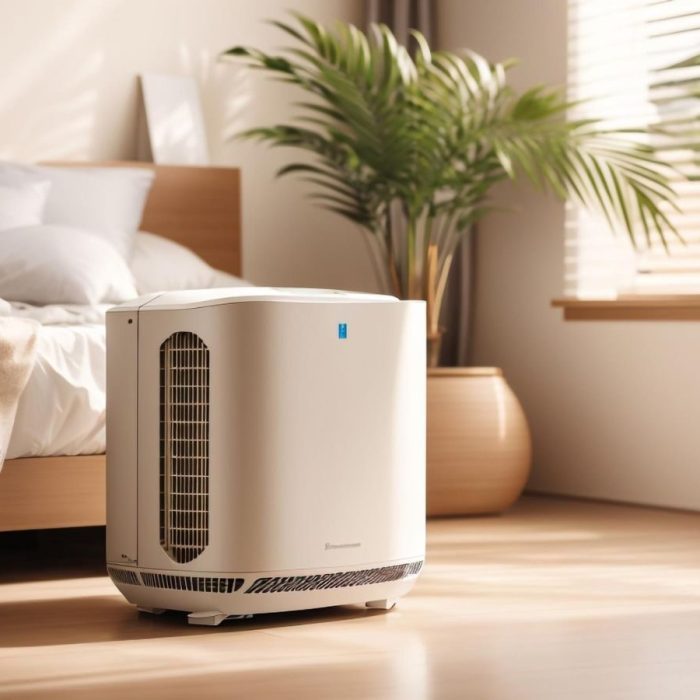
HEPA stands for High-Efficiency Particulate Air, a standard for filters that capture 99.97% of particles as small as 0.3 microns. These specialized filters are used in air scrubbers and vacuums to:
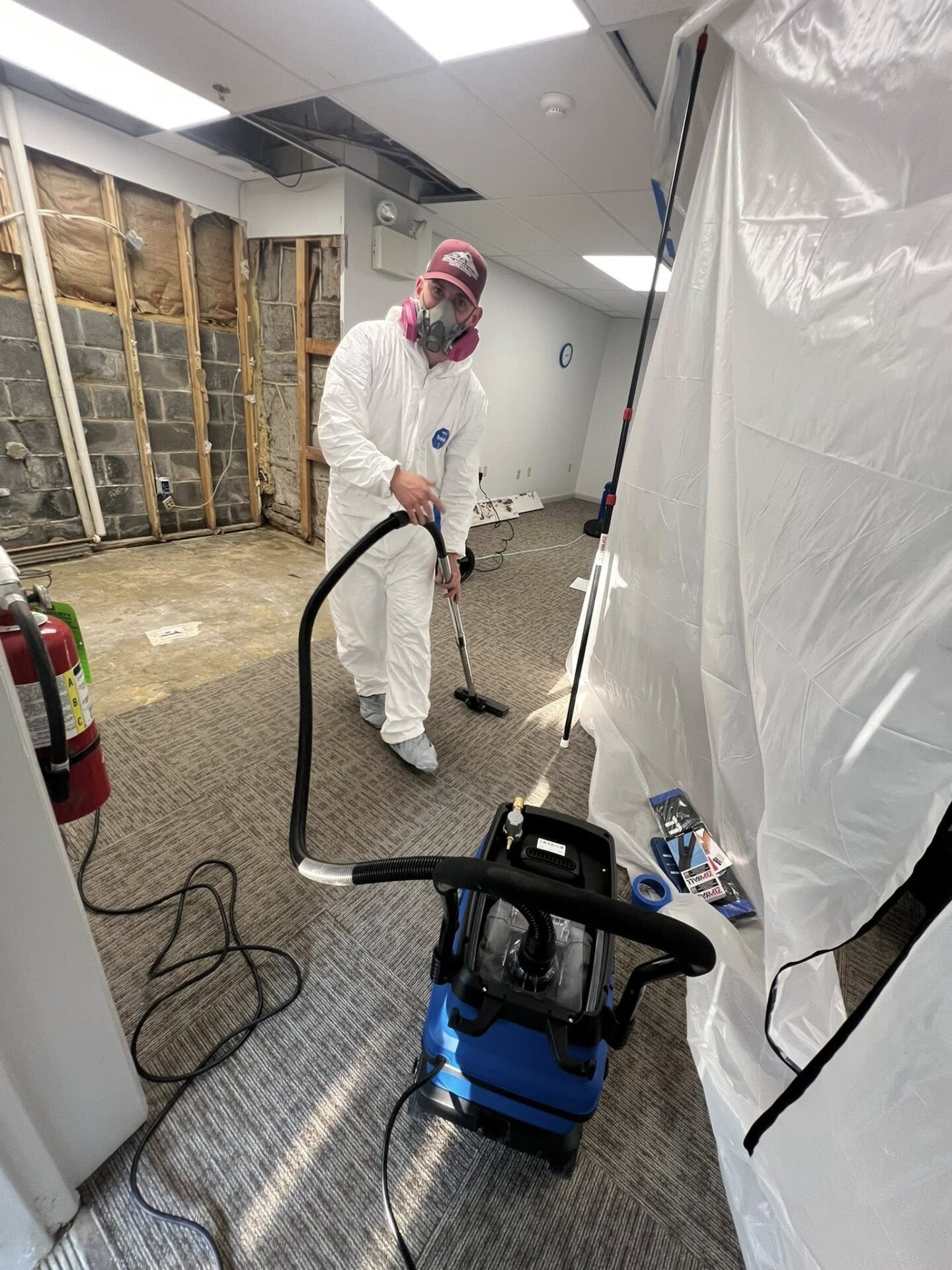
Containment is the process of isolating contaminated areas so harmful particles do not spread to other sections of your property. This involves:
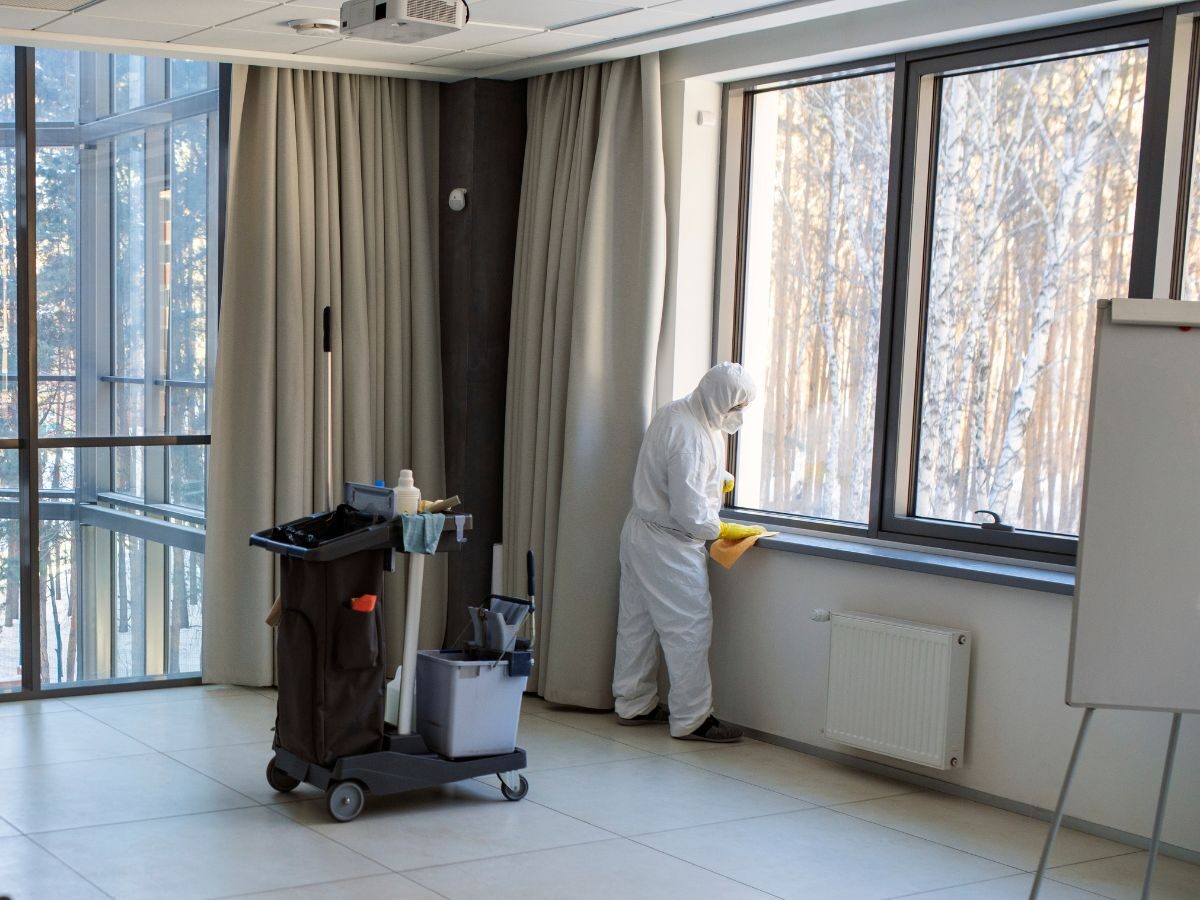
Without proper containment, contaminants can quickly spread, making the situation worse. Here’s why our service is critical:
Keeps families, employees, and pets away from exposure.
Prevents hidden mold or contaminants from returning.
Creates a stable environment for mold removal, fire cleanup, and water damage repairs.
Our Process
We begin by identifying contaminated areas, air quality risks, and potential exposure points.
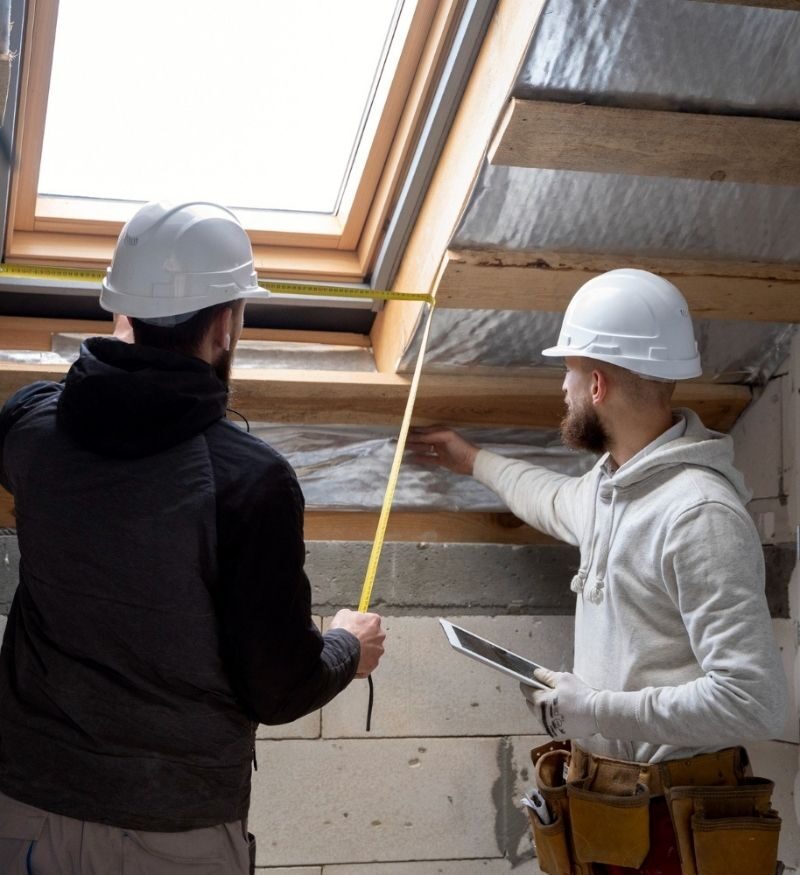
Using industry-grade materials, we build airtight barriers to isolate the affected zone.
Machines equipped with HEPA filters create negative air pressure, preventing pollutants from escaping into other rooms.
Air scrubbers run constantly to capture airborne particles and maintain clean air.
Before removing containment, we monitor air quality levels to confirm the environment is ready.
When you trust us with your property, you get:

Don’t let hidden airborne dangers put your family or business at risk. Call ASAP Water Damage Restoration today for professional HEPA Filtration & Containment services in Los Angeles.
Prevents spores from spreading during cleanup.
Protects against bacteria and future mold after flooding.
Captures soot and microscopic smoke particles.
Stops harmful pathogens from contaminating the air.
Maintains healthy environments in offices, hospitals, and schools.
We proudly serve families and property owners across Los Angeles, focusing on high-risk areas with older homes and dense populations. Our service areas include Boyle Heights, South Los Angeles, Highland Park, El Sereno, Lincoln Heights, Koreatown, Mid-City, West Los Angeles, East Hollywood, Pico-Union, Westlake, and Echo Park. These neighborhoods feature homes often built before the 1960s, making them more vulnerable to plumbing failures, mold outbreaks, and fire-related structural issues. We’re trusted in these communities for our fast response, technical expertise, and personalized care bringing restoration solutions where they’re needed.
FAQs
The duration depends on the size of the contaminated area and severity of the issue. Our technicians will monitor air quality and determine the appropriate time.
Not always. It’s crucial for mold remediation, sewage cleanup, and fire damage, but smaller projects may not require full containment.
In most cases, containment allows you to stay in unaffected areas. For severe contamination, temporary relocation may be recommended.
Almost every company uses these terms interchangeably but they are completely different. An air purifier recirculates room air passively. A HEPA air scrubber moves high volumes of air at industrial grade, can be ducted outside, and is specifically designed for active remediation work not everyday use. Homeowners rent purifiers thinking they serve the same purpose and get confused why the company brings different equipment.
This is the single most misunderstood concept. The EPA says the containment sheeting should billow inward if negative pressure is properly established. If it flutters outward, containment has failed and spores are escaping. Nobody explains this to homeowners so they have no way to verify the work is being done correctly.
Critical safety question almost never answered on service pages. The HVAC must be isolated during remediation or it will distribute spores throughout the entire building through ductwork. This is one of the most common mistakes cheaper companies make.
Common confusion. HEPA filters trap mold spores they do not kill or neutralize them. The trapped spores remain viable inside the filter. This is why used HEPA filters must be sealed and properly disposed of after remediation, not just swapped out carelessly. Companies never explain the disposal step.
Common confusion. HEPA filters trap mold spores they do not kill or neutralize them. The trapped spores remain viable inside the filter. This is why used HEPA filters must be sealed and properly disposed of after remediation, not just swapped out carelessly. Companies never explain the disposal step.