Leaks Under Concrete, Handled From Wet Floor to Finished Floor
Nobody hears a slab leak start. It begins as a pipe failing in concrete, quietly feeding water under your floors long before anything looks wrong.
Then the signs arrive: a warm tile, a swollen baseboard, a bill that jumps. We map the water, coordinate the plumber and rebuild damaged floors.
Moisture mapped before demolition | Works alongside your plumber | Concrete drying specialists | Full floor rebuild | Claim paperwork included
A slab leak is a broken water or drain pipe running inside or beneath a foundation. Trapped water spreads under flooring and wicks into walls.
Concrete hides the pipe, so every clue appears on the surface above it. By the time a warm tile or swollen baseboard shows up, water has usually been moving for weeks.
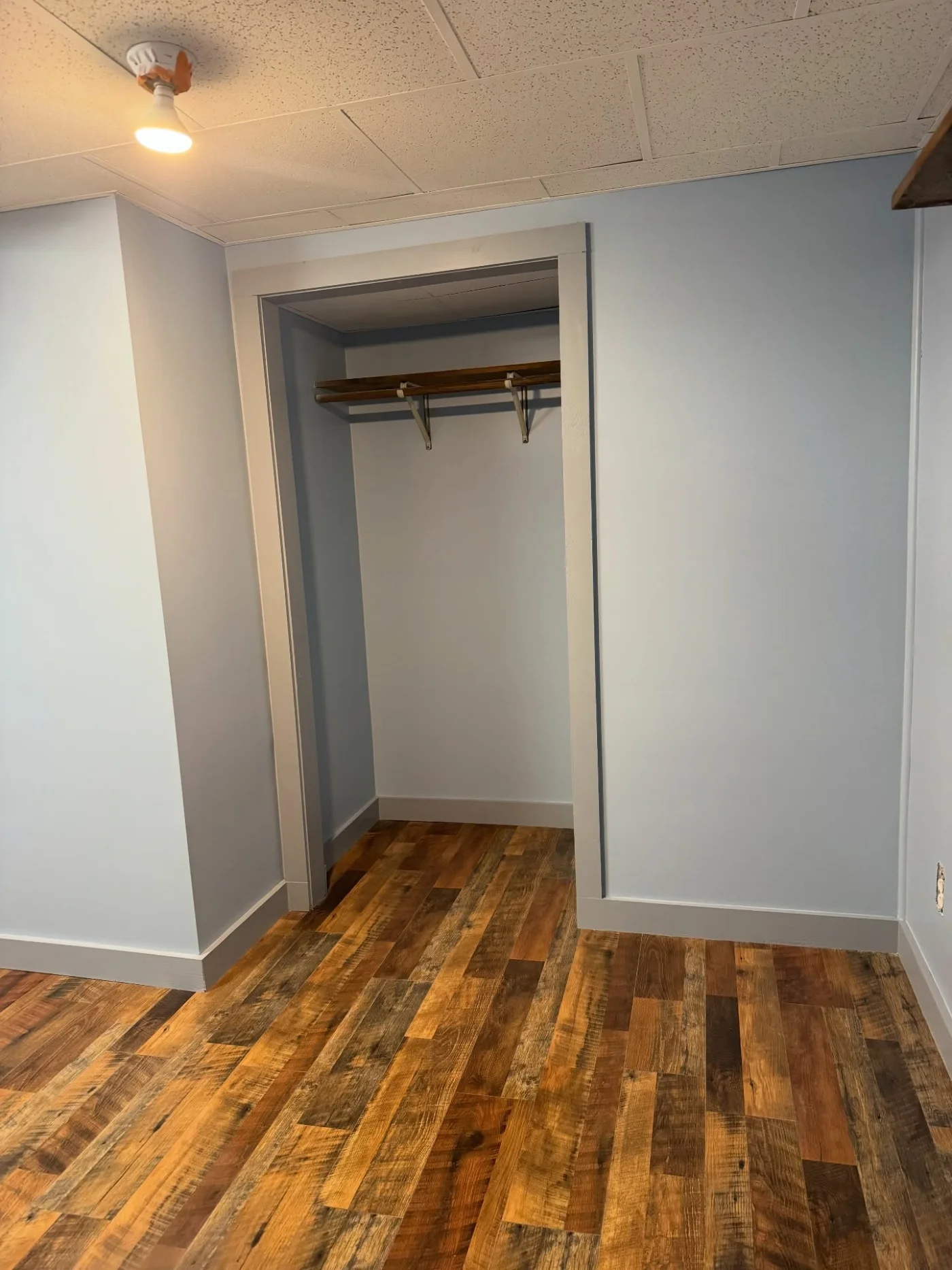
Concrete hides the pipe, so every clue appears on the surface above it. Two or more of these together make a slab leak very likely.
One patch of tile or wood feels noticeably warm because a pressurized hot line is leaking into the concrete below.
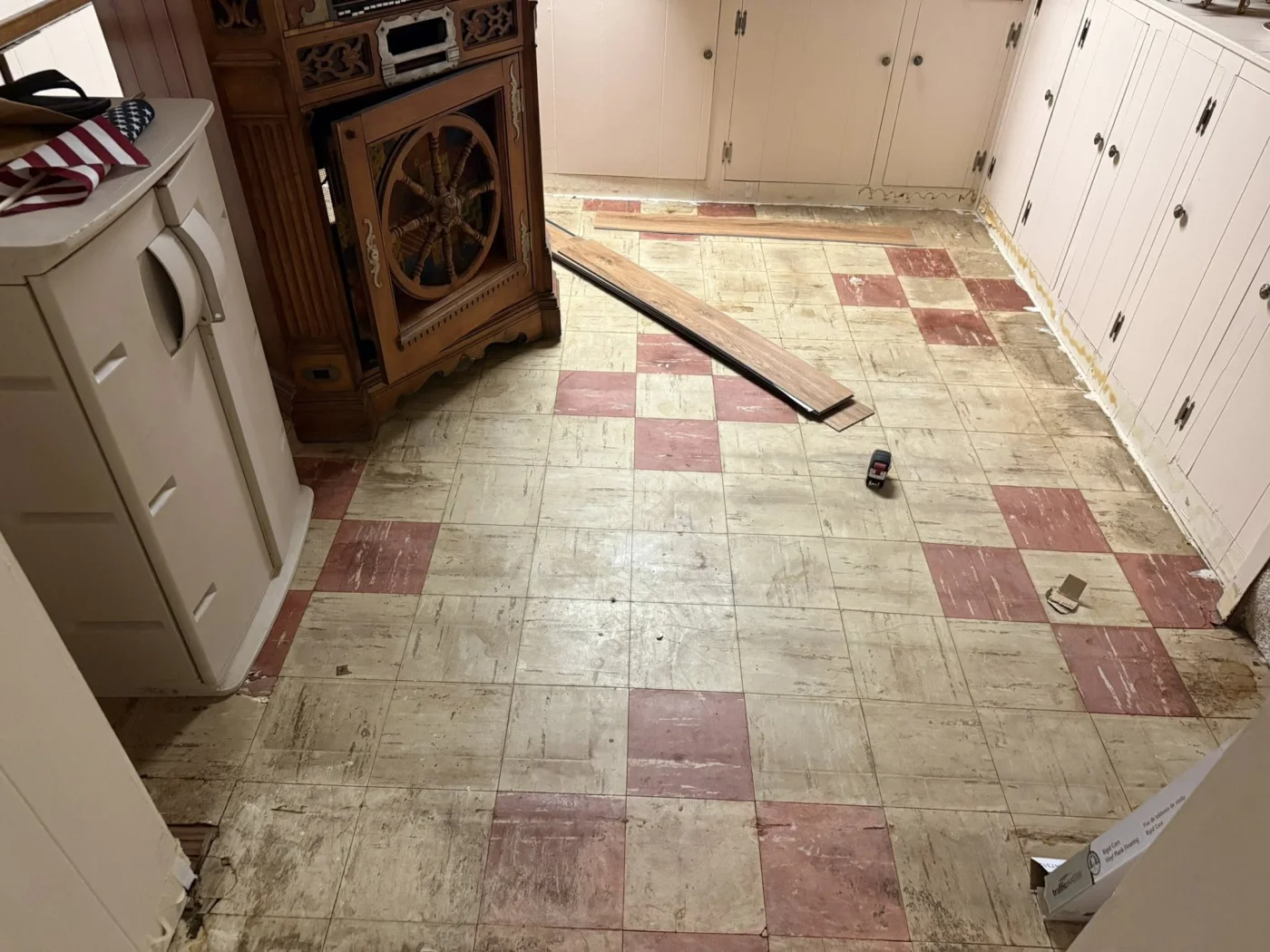
Wood swells at its edges and tile loses its bond as moisture pushes upward through the concrete slab from below.
Padding stays damp near a wall or doorway even though nothing spilled, which often marks the path of the line.
New fractures in tile, grout or exposed concrete can follow soil washing away under the foundation as the water flows.
Your water heater cycling constantly, even overnight, may be refilling hot water that is draining away through a broken line.
The water meter dial keeps turning while every fixture and appliance is off, proving water is leaving the system somewhere.
Showers and faucets lose pressure throughout the house at once, because water escapes through the break before ever reaching them.
Discoloration, swelling or a musty odor at the bottom of walls shows moisture climbing up from the concrete beneath it.
Age, ground movement and water chemistry combine here in ways other regions never see. These six causes explain most of the slab leaks we restore.
Houses built during the postwar boom often still rely on original copper under the slab, now thin and badly pitted.
Small tremors, expansive clay and gradual settling shift the slab over decades, bending and stressing the pipes cast inside it.
Hard water and its chemistry wear away pipe walls from the inside, forming pinholes that eventually give way under pressure.
Hot water lines expand and shrink every day, and where they rub against rough surfaces, the pipe wall wears through.
Household pressure above what older plumbing can handle wears out joints and fittings, hastening failures in aging galvanized steel lines.
Dented, kinked or poorly bedded pipes laid decades ago become weak spots that fail first once the foundation starts moving.
Opening a slab in the wrong spot wastes money and floors. We collect evidence first, so every cut lands exactly where the water actually is.
With every fixture off, we watch the meter and test hot and cold lines separately to confirm which one leaks.
Infrared cameras reveal warm or cool bands across the floor that follow a leaking line hidden deep inside the concrete.
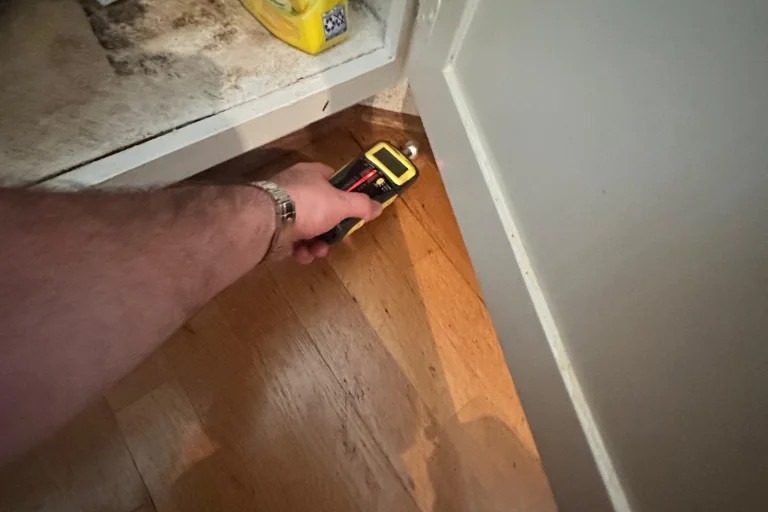
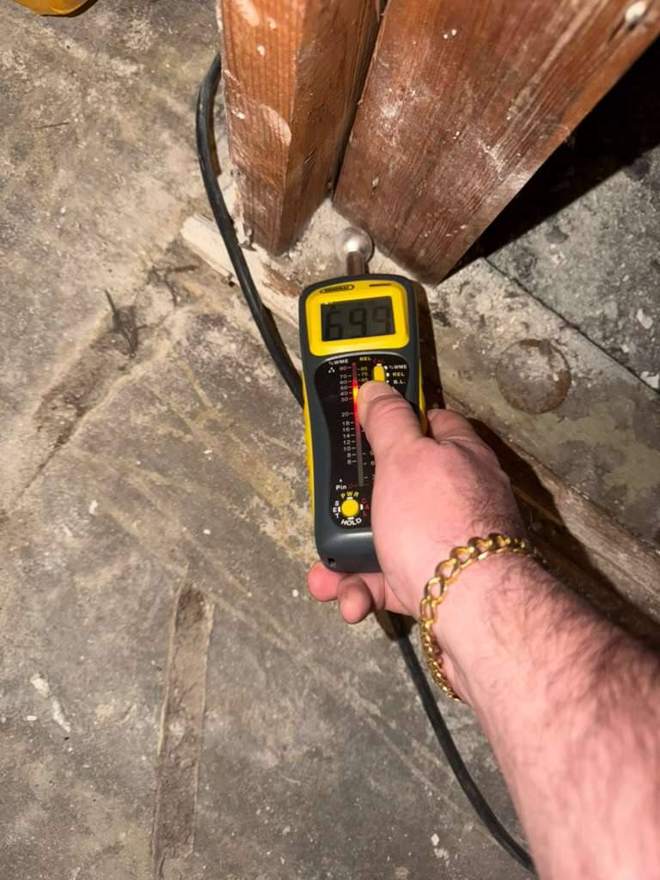
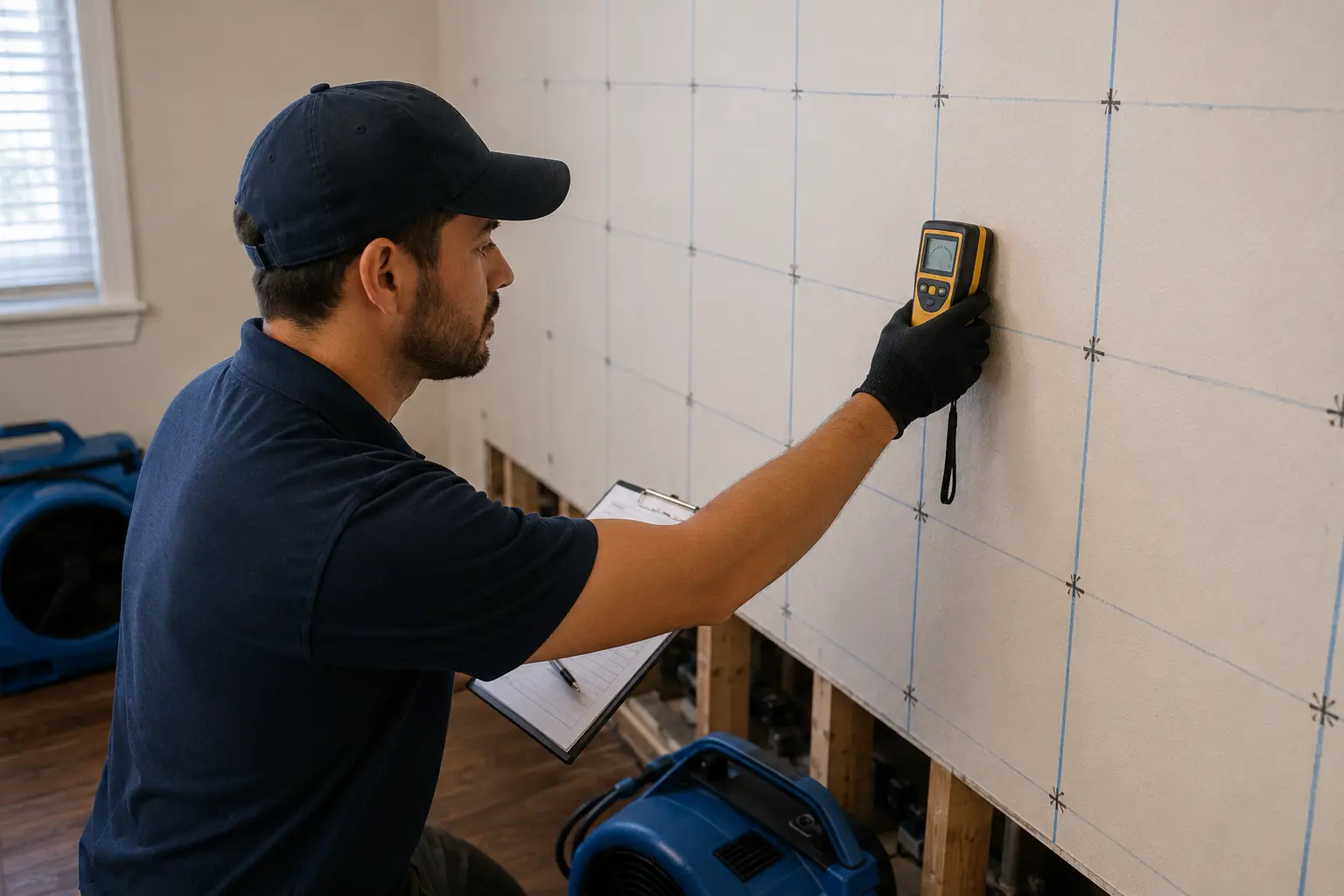
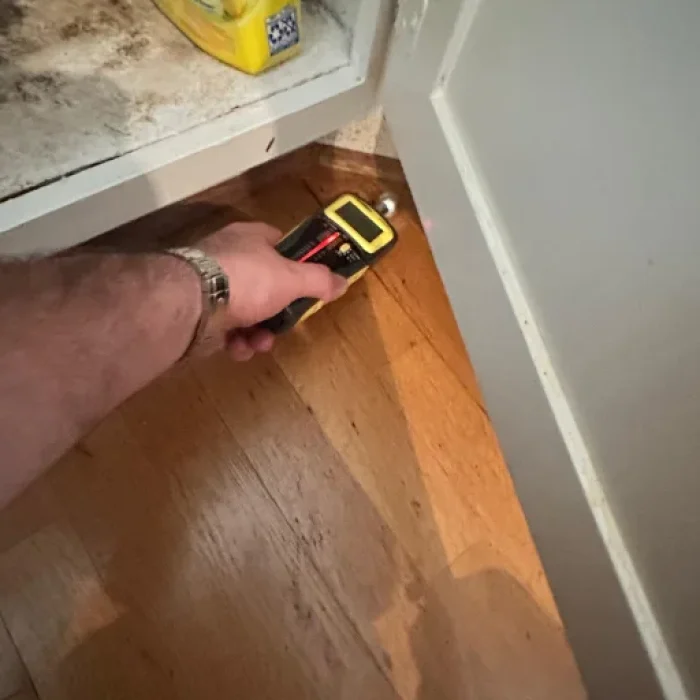
Readings from flooring, baseboards and lower drywall outline the full wet zone, often far wider than the visible symptoms suggest.
Warm areas usually point to a hot supply line, while cool, damp areas suggest a cold supply or drain problem.
Flags, photos and readings show your plumber where to confirm the break, cutting both their search time and your bill.
Our Process
We help close the leaking line or main shutoff, so nothing more reaches the slab before the plumber finally arrives.
A licensed plumber fixes, bypasses or coats the broken pipe, and we time our work around theirs, avoiding idle days.
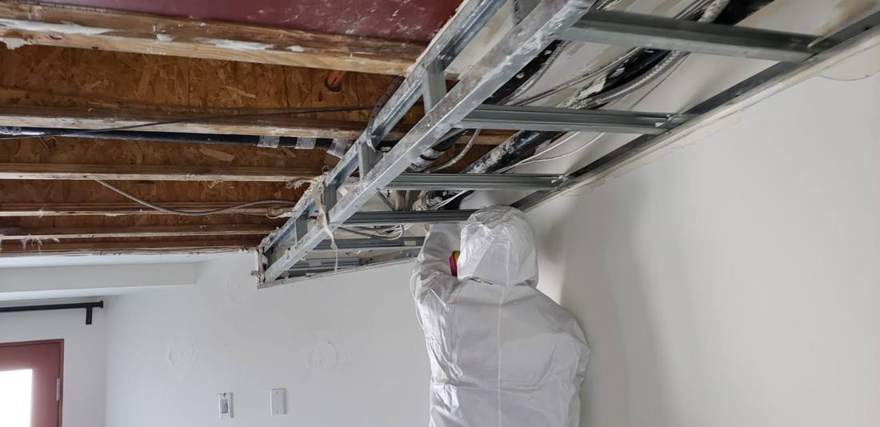
Saturated carpet pad, swollen baseboards and damaged flooring come out carefully, each piece photographed and logged for your insurance file.
Extraction equipment draws water from carpet, padding and exposed concrete before it can travel any further into the nearby walls.
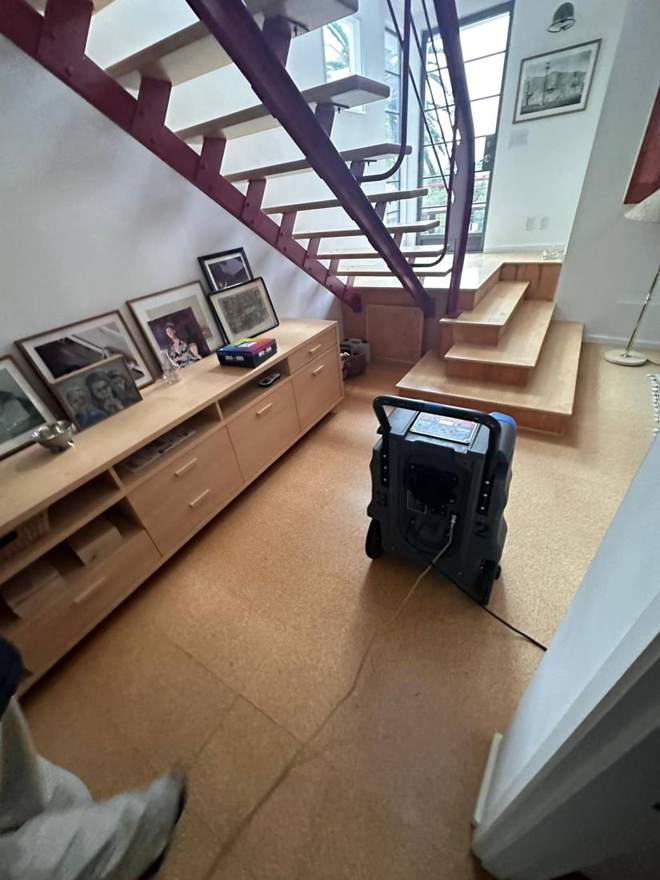
Dehumidifiers and air movers run with daily readings until the slab, studs and drywall all return to normal moisture levels.
Every wet area gets an antimicrobial treatment, and any growth uncovered during demolition is removed safely under proper containment barriers.
Baseboards, drywall and new flooring are installed once readings confirm everything is dry, leaving rooms finished and ready to use.
Your plumber chooses the method based on pipe condition, leak location and the flooring above. Each option leaves a different amount of restoration work behind.
A new line runs overhead or through walls, abandoning the slab pipe. Usually chosen when more leaks are likely in the old pipe. Minimal effect on floors. We handle wall patches and drying the wet zones.
The existing pipe is coated inside to seal it. Usually chosen when the pipe is sound enough to line. Minimal effect on floors. We handle drying and repairing the earlier water damage.
A crew digs beneath the foundation from outside. Usually chosen when costly flooring must stay in place. Minimal effect inside, though the yard is dug up. We handle interior drying and repairs.
Concrete is opened right above the break. Usually chosen when the leak spot is confirmed and reachable. Flooring is removed locally. We handle demolition, drying, the concrete patch and new flooring.
Every slab leak job is different, so you receive a written quote after our inspection, before any work starts. Five factors decide the final number.
Rerouting, relining, tunneling and opening the slab require very different labor, so the approach your plumber chooses sets the starting point.
A leak caught within days may wet one room, while months of leaking can saturate several rooms and their walls.
Hardwood, tile and carpet differ in removal and replacement cost, and matching discontinued flooring can push the final price higher.
Concrete keeps moisture far longer than wood or drywall does, and a saturated slab may need dehumidifiers for extra days.
Growth found under flooring or behind baseboards adds containment and safe removal work to the restoration scope once it appears.
Most policies split a slab leak claim into separate parts. Knowing which part is which helps you ask your agent the right questions before filing.
Coverage varies by policy, so confirm with your agent. Every stage is documented with images and moisture logs, and our insurance claim assistance team talks with adjusters directly.
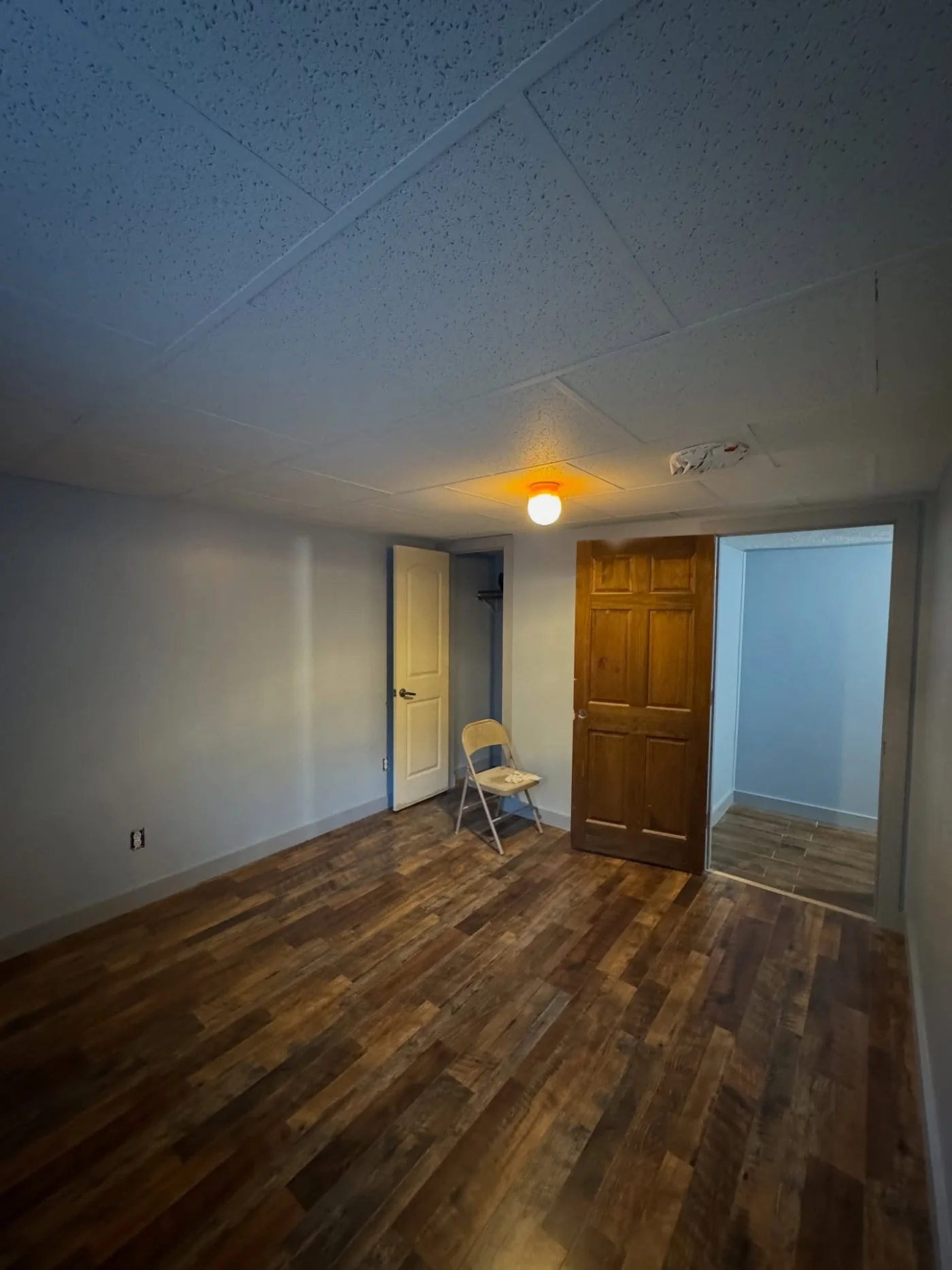
The job moves in four stages: confirming the leak, the pipe repair, drying and rebuilding. Drying takes longest, because concrete gives up moisture very slowly.
You receive a written timeline once we know the extent of the damage, and daily readings show when your home is ready for rebuilding work.
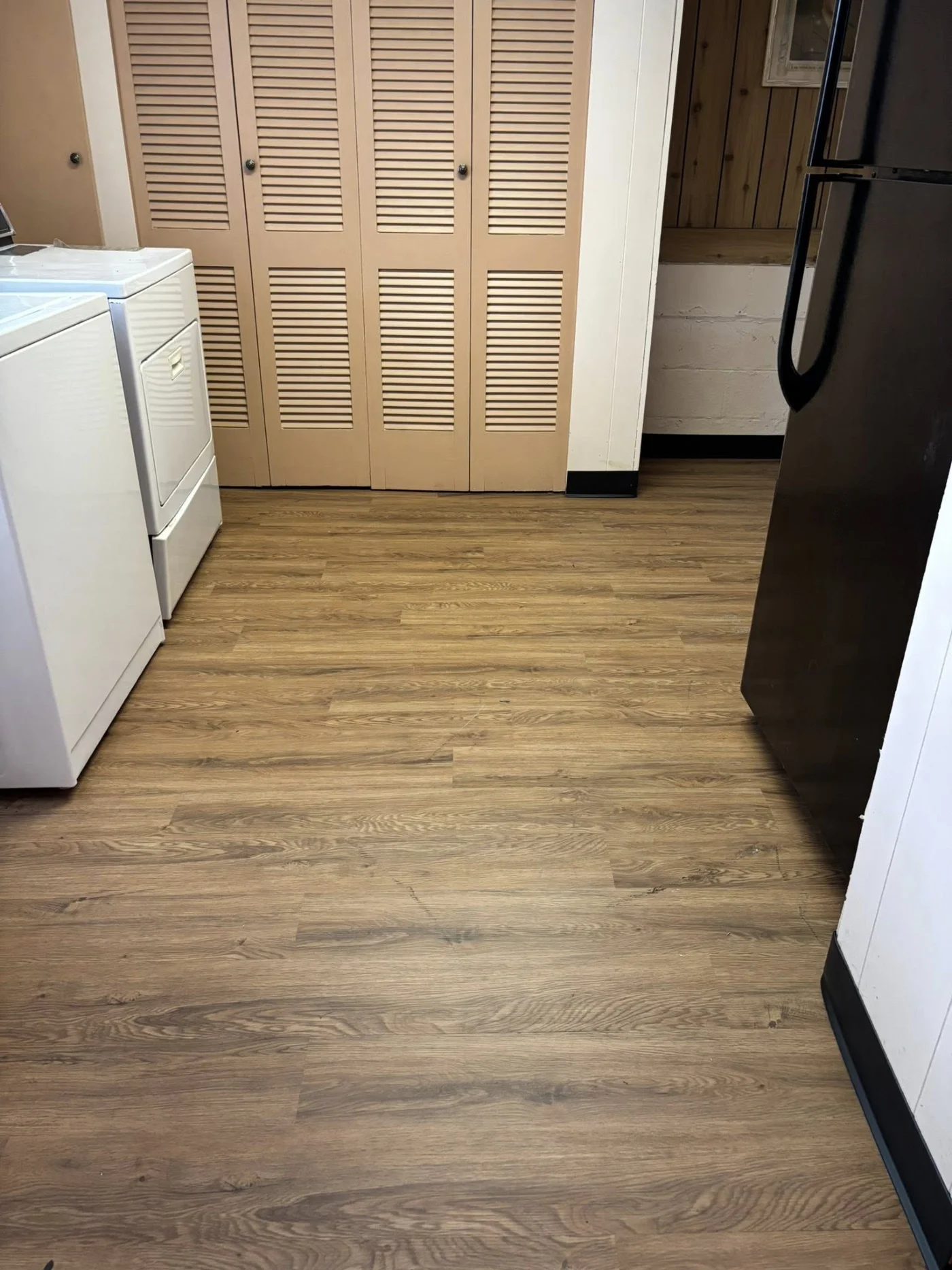
Moisture readings come first, so demolition stays limited to truly wet material and any salvageable flooring stays right in place.
Our drying and rebuild schedule follows the pipe repair directly, so wet materials never sit waiting around between two contractors.
Slabs release moisture slower than anything else in a house, and we size our equipment and drying time to match.
Our crew installs new baseboards, drywall and flooring, so the job ends with livable rooms instead of exposed, bare concrete.
Photos, daily moisture logs and a written scope keep pipe work apart from water damage, matching how insurers review claims.
We have restored Valley ranch houses, hillside homes and coastal bungalows, each with slab foundation habits all of their own.
Slab leaks often show up after dark as a heated floor or puddle, so a real person always picks up.
IICRC-certified technicians, complete licensing and insurance protect your property and family from the first reading through the last floorboard installed.
Slab Leak Restoration Across Los Angeles County
Concrete slab foundations sit under homes from the Valley to the beach cities. Our crews work from 925 N La Brea Ave across the county.
We proudly serve homeowners, businesses and property managers across:
FAQs
It is a break in a water or drain pipe running inside or under a concrete foundation. The escaping water spreads beneath flooring and climbs into the walls standing nearby.
Look for a warm spot on the floor, damp carpet along a wall, fresh tile cracks, a constantly running water heater or a water meter still moving with everything off.
Yes. Plumbers bypass the line, coat it inside, tunnel beneath or cut the concrete. Once the pipe is fixed, the water already released still needs professional drying and restoration work.
Frequently. Rerouting the line overhead or through walls, or relining the old pipe from inside, can avoid breaking any concrete at all. Your plumber recommends which approach fits your pipes.
It varies with the method your plumber uses, how long the leak ran, the type of flooring involved and how much drying the slab needs. Written estimates always come before any restoration work starts.
Often the resulting damage to floors and walls is covered while the worn pipe is excluded. Some policies also cover access costs. Review your policy and save every single photo.
Months, in some homes. Water can travel under flooring without forming a visible puddle, so warm spots, higher bills and musty baseboards may be the only early warnings you get.
The damage grows. Each day more flooring, baseboard and drywall soak up water, mold becomes likelier and the eventual restoration takes longer and costs noticeably more money in the end.
No, a licensed plumber handles the pipe itself. We take care of the water damage around it, including extraction, drying, mold prevention, new baseboards and replacement flooring once everything dries.
Not necessarily. Moisture readings come first, and only material wet beyond saving gets removed. Some carpet, tile and baseboards dry in place given proper dehumidifiers, air movers and enough time.
Longer than walls or framing, since concrete releases moisture slowly. We take readings every day and let you know the moment the slab and every surrounding material read fully dry.
Yes. Dampness rising out of the concrete into padding, baseboards and drywall can support mold within days. Quick extraction, steady drying and antimicrobial application stop that growth before it starts.
Water trapped under concrete never stops on its own. Call ASAP Water Damage Restoration Los Angeles at (323) 677-2811 any hour, or send the form below.