Professional restoration for older homes and hidden water damage
A water emergency in Pasadena can affect materials and construction details that have been part of a property for decades. Older hardwood floors, plaster walls, wood framing, crawl spaces, built-in cabinetry, and aging plumbing can all respond differently when exposed to water. ASAP Water Damage Restoration provides 24/7 emergency water damage restoration throughout Pasadena, with professional extraction, moisture assessment, and structural drying focused on understanding what has been affected before unnecessary removal begins.
Call (323) 677-2811 for 24/7 Water Damage Restoration in Pasadena, CA.
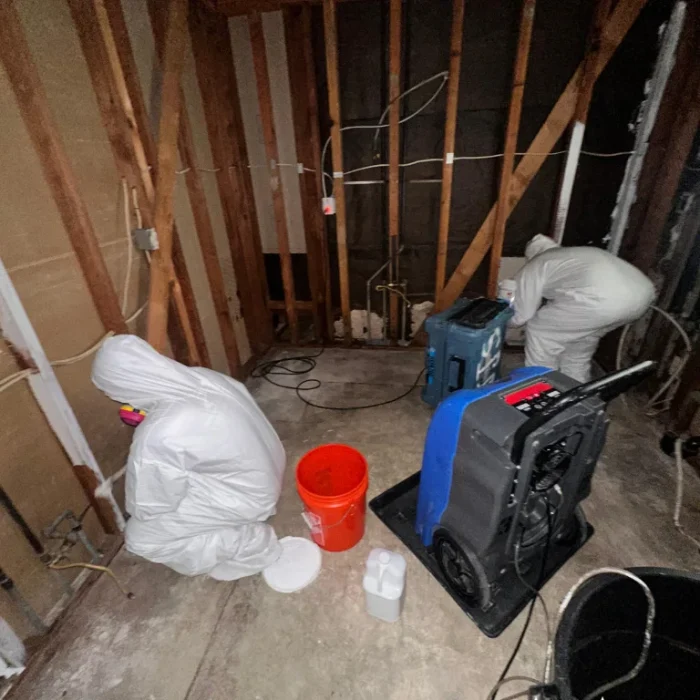
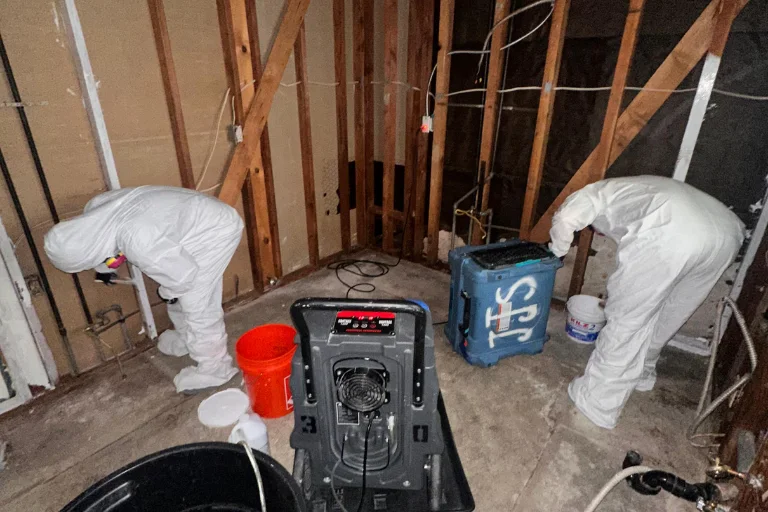
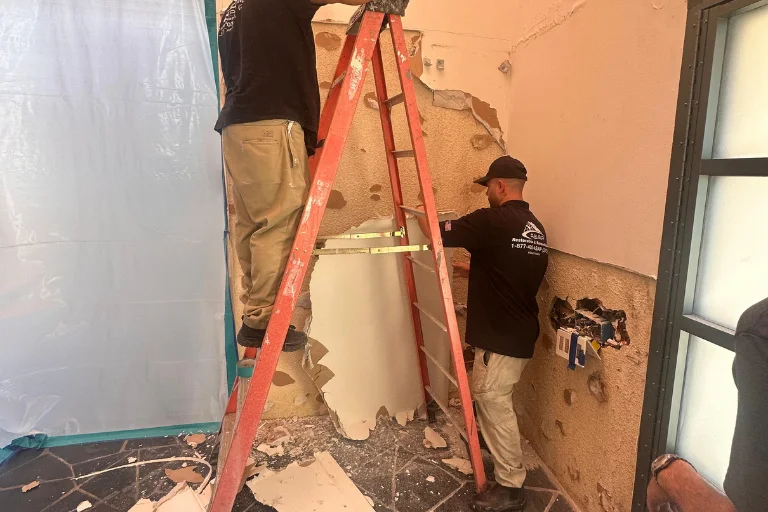
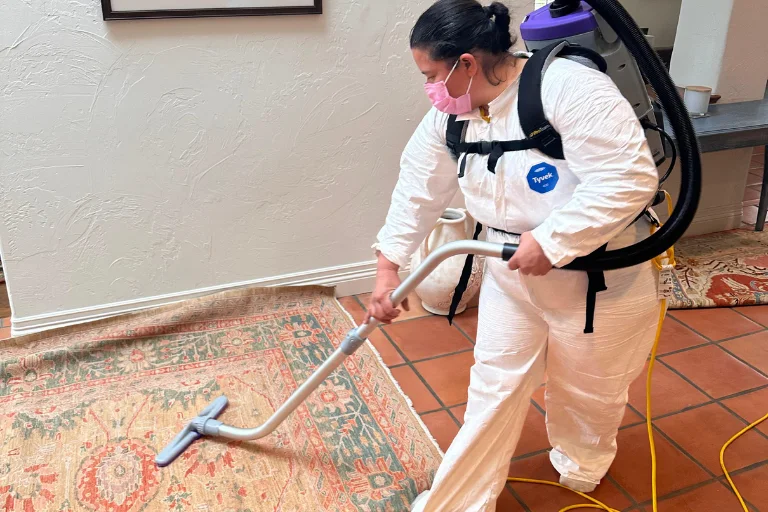
Many Pasadena properties were built with materials and construction methods that behave differently from modern drywall-and-slab homes. Water can move into plaster, hardwood, crawl spaces, wall cavities, and original woodwork in ways that are not always obvious from the surface, so restoration decisions should be based on actual moisture conditions rather than appearance alone.
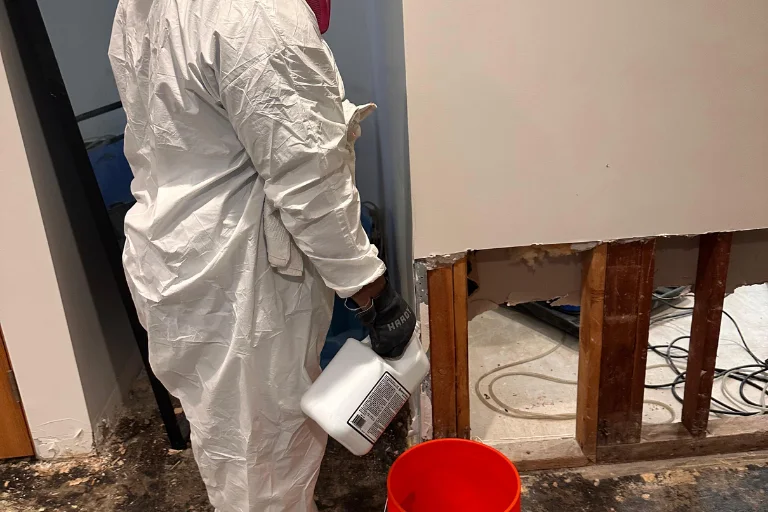
ASAP Water Damage Restoration provides professional water mitigation for Pasadena homes, apartments, rental properties, and commercial buildings. Our approach focuses on identifying how moisture has moved through the structure, removing excess water, and drying affected materials based on the type and condition of the property.
A broken pipe can release water into walls, ceilings, floors, and crawl spaces very quickly. We remove excess water and inspect nearby materials for hidden moisture after the source is controlled.
Slow or sudden plumbing leaks can affect cabinets, flooring, walls, and adjoining rooms before the damage becomes obvious. Moisture testing helps identify how far the leak has spread.
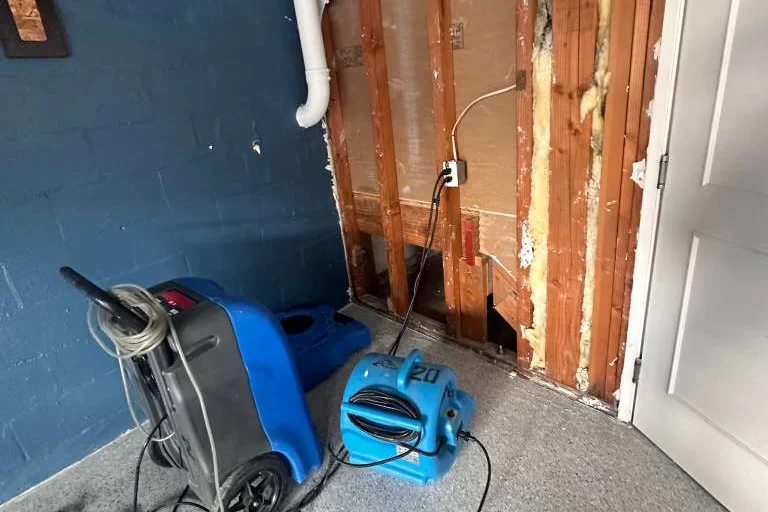
Moisture can remain inside framing, plaster, subfloors, and other structural materials after surface water is removed. Controlled airflow and dehumidification help support the drying process.
Larger water losses can affect several rooms or levels of a property at once. We provide extraction, moisture assessment, drying, and cleanup based on the severity of the damage.
Roof leaks can allow water to travel through attics, insulation, ceilings, and wall systems before visible staining appears. We inspect and dry the affected interior areas.
Sewage backups require a different cleanup approach because contaminated water can affect porous materials and indoor surfaces. We evaluate affected areas and follow appropriate cleanup procedures.
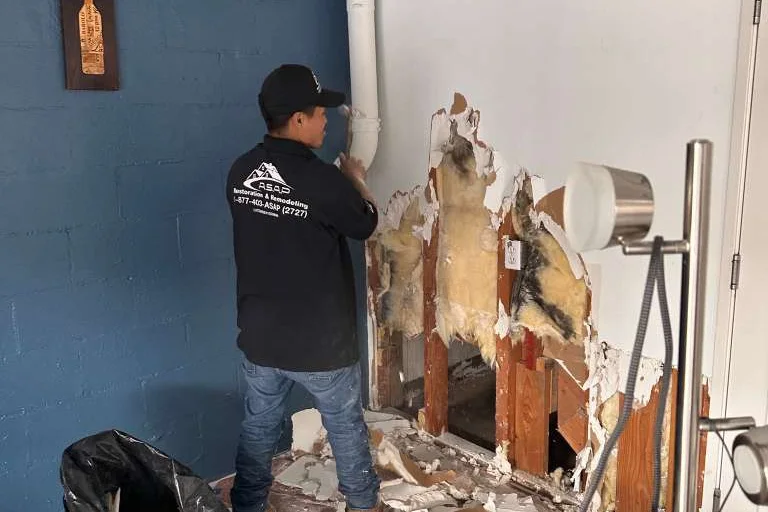
In older Pasadena properties, water can follow hidden paths through framing, plaster systems, floor assemblies, and crawl spaces before the damage becomes visible. Understanding those pathways helps determine which areas need testing, drying, or further inspection.
Water from plumbing leaks can move vertically and horizontally inside walls, affecting plaster, lath, insulation, and nearby framing before visible staining appears.
Moisture can travel under finished wood flooring and spread through the subfloor, creating damage that may extend beyond the original wet area.
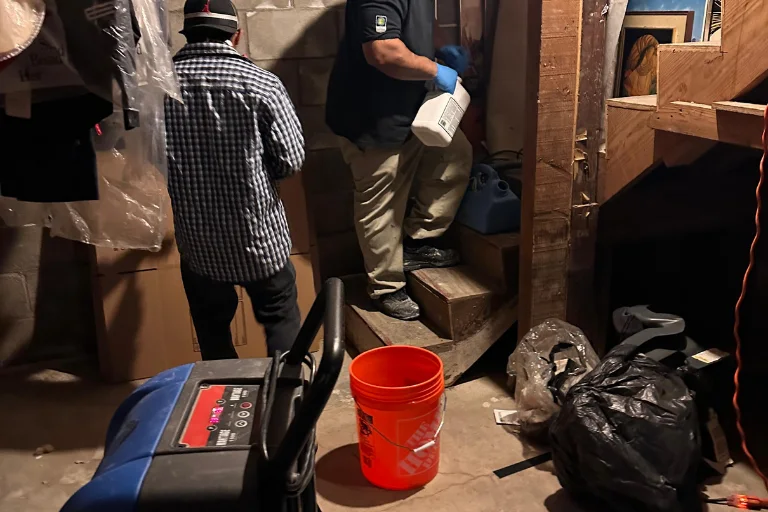
Leaks from bathrooms, kitchens, or supply lines can reach the crawl space below and affect joists, insulation, and structural wood beneath the home.
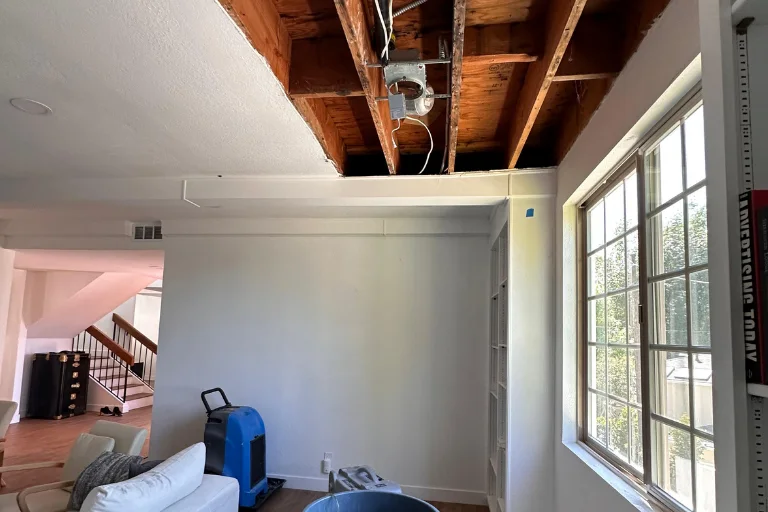
Water from an upper floor or roof leak can move through ceiling cavities and framing before appearing in a different room below.
Cabinetry, trim, and built-in woodwork can hide moisture along wall edges and enclosed sections, making careful inspection especially important.
A proper restoration plan starts with knowing which materials are actually wet. ASAP Water Damage Restoration uses thermal imaging, direct moisture readings, and visual inspection to help identify affected areas before equipment is placed or materials are removed.
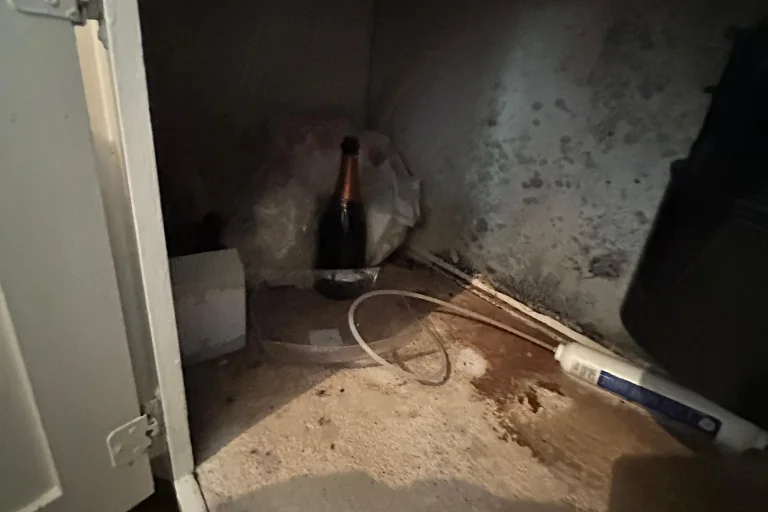
Water damage restoration should be guided by what the structure needs, not by a one-size-fits-all checklist. Our team evaluates the source, materials, moisture levels, and building layout before deciding how extraction and drying should be handled.
The first step is confirming where the water came from and whether the source has been stopped before restoration work begins inside the property.
We inspect connected rooms, flooring, walls, ceilings, and crawl spaces to understand how far the moisture has traveled through the structure and adjoining materials.
Professional extraction equipment is used to remove standing or pooled water so saturated materials can begin drying more efficiently and with less continued absorption.
Air movement and dehumidification are adjusted according to the materials involved, the size of the loss, and the moisture conditions present throughout the affected area.
Moisture levels are monitored during the project so the drying plan can be adjusted and affected materials can be reviewed before the restoration is completed.
Pasadena is known for older residences and Craftsman-style homes where original materials may be part of the property’s character. When water damage affects these buildings, restoration should consider both moisture conditions and the value of preserving materials that may be difficult to replace.
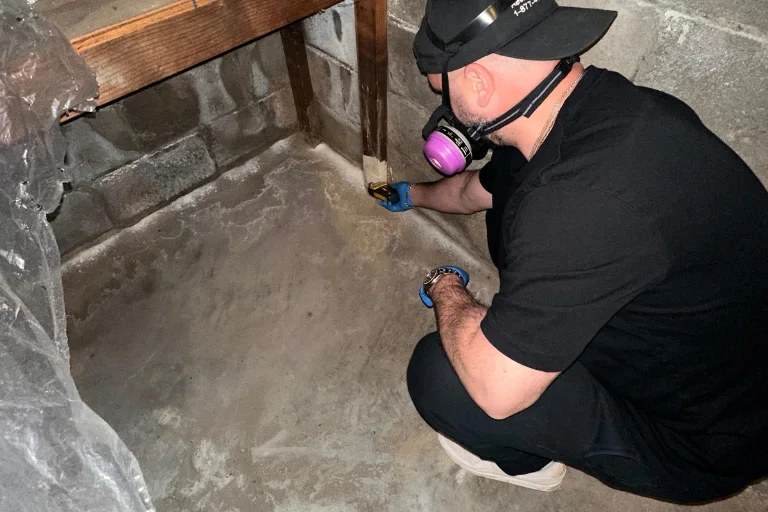
Commercial and institutional properties often require a more organized restoration approach because several rooms, departments, tenants, or public-facing areas may be affected at once. Our team evaluates how the water moved through the building, which spaces need immediate attention, and how drying can be managed with minimal disruption.
Water from plumbing failures, roof leaks, or HVAC issues can affect work areas, ceilings, flooring, and equipment. Fast mitigation helps reduce damage and business interruption.
Leaks in customer-facing spaces can interfere with daily operations and damage flooring, fixtures, displays, or inventory. We focus on controlling the affected area quickly.
A single leak can spread between suites, shared walls, ceilings, or common areas. Moisture assessment helps determine which connected spaces should be included in the restoration scope.
Larger buildings may contain classrooms, offices, hallways, storage areas, and shared systems. Each affected zone should be evaluated individually before drying equipment is placed.
Lobbies, corridors, stairwells, and shared building components can also be affected during a water loss. These areas should be included in the overall mitigation plan.
Water damage claims can become more detailed when older materials, multiple rooms, crawl spaces, or commercial areas are involved. ASAP Water Damage Restoration documents the condition of affected spaces, moisture readings, drying progress, and mitigation work so property owners have organized records to provide to their insurance carrier.
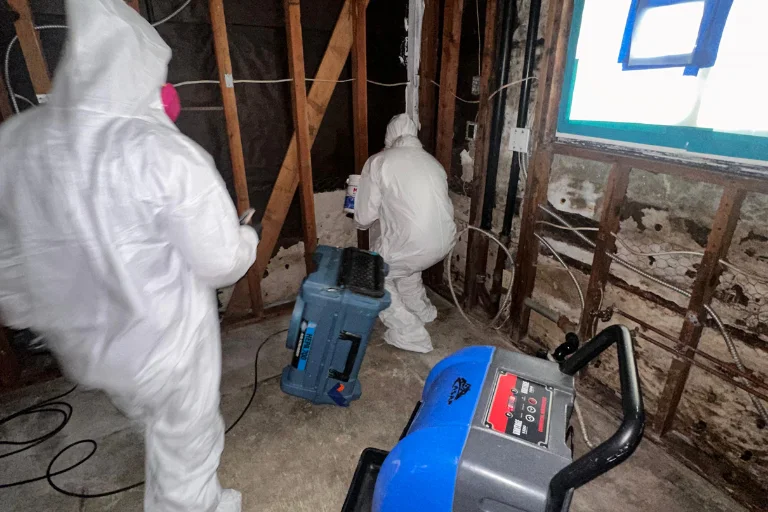
WHERE WE WORK?
ASAP Water Damage Restoration serves homes, apartments, rental properties, commercial buildings, and older residences throughout Pasadena. Our team provides emergency water extraction, moisture assessment, and structural drying based on the property type, construction, and extent of the water damage.
Areas We Serve
FAQs
ASAP Water Damage Restoration provides 24/7 emergency service and advertises arrival within approximately 60 minutes in most service areas, depending on traffic, crew availability, and current demand.
In some cases, yes. The decision depends on how wet the plaster is, how long it remained exposed, and whether the surrounding wall system can dry effectively.
Yes. Plumbing leaks and other water sources can reach joists, subfloors, insulation, and structural wood beneath the home before obvious interior damage appears.
No. Some hardwood flooring can be dried successfully depending on the amount of moisture, exposure time, floor condition, and moisture present below the finished surface.
We use thermal imaging, professional moisture meters, visual inspection, and readings from surrounding materials to help identify areas where concealed moisture may remain.
Drying time depends on the amount of water, construction materials, building layout, and moisture levels. Many projects require several days of controlled drying and monitoring.
Yes. Sewage and contaminated water losses require additional cleanup precautions and careful evaluation of porous materials that may have been exposed.
Yes. We can document affected areas, moisture readings, drying progress, and mitigation work to provide organized restoration information for your insurance carrier.
When water damage affects your Pasadena property, quick action can help limit how far the moisture spreads and reduce additional damage to floors, walls, ceilings, and structural materials. ASAP Water Damage Restoration is available around the clock for emergency water extraction, moisture detection, and professional drying for homes, apartments, rental properties, and businesses throughout Pasadena.
Call (323) 677-2811 for 24/7 Water Damage Restoration in Pasadena, CA.
Got damage? We got you.