Comprehensive Mold Remediation for a Healthier Environment
Mold is not only unsightly but also dangerous when it spreads inside your property. At ASAP Water Damage Restoration, we specialize in safe mold removal services that target mold at its source, prevent regrowth, and restore your living or working space to a clean, safe condition.
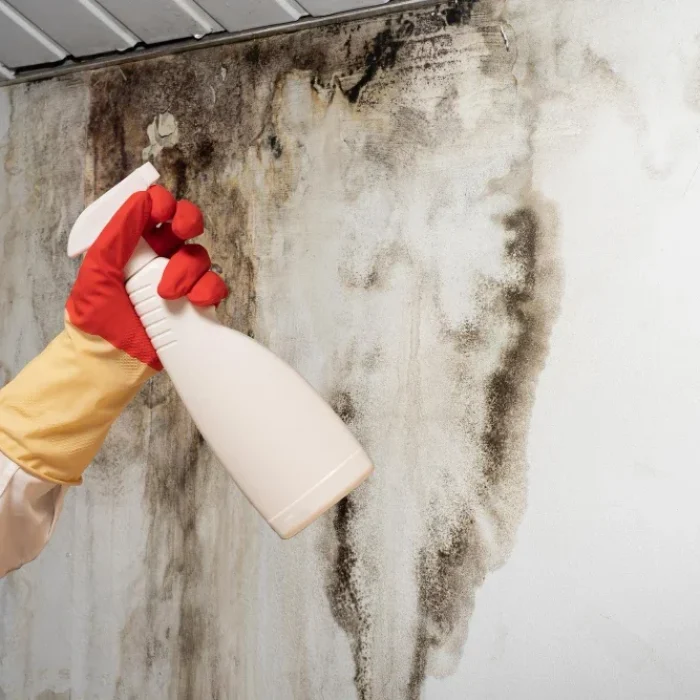
Mold often hides in plain sight. Watch for these indicators that professional remediation may be necessary:
If you notice one or more of these signs, it’s time to call our specialists.
Our Process
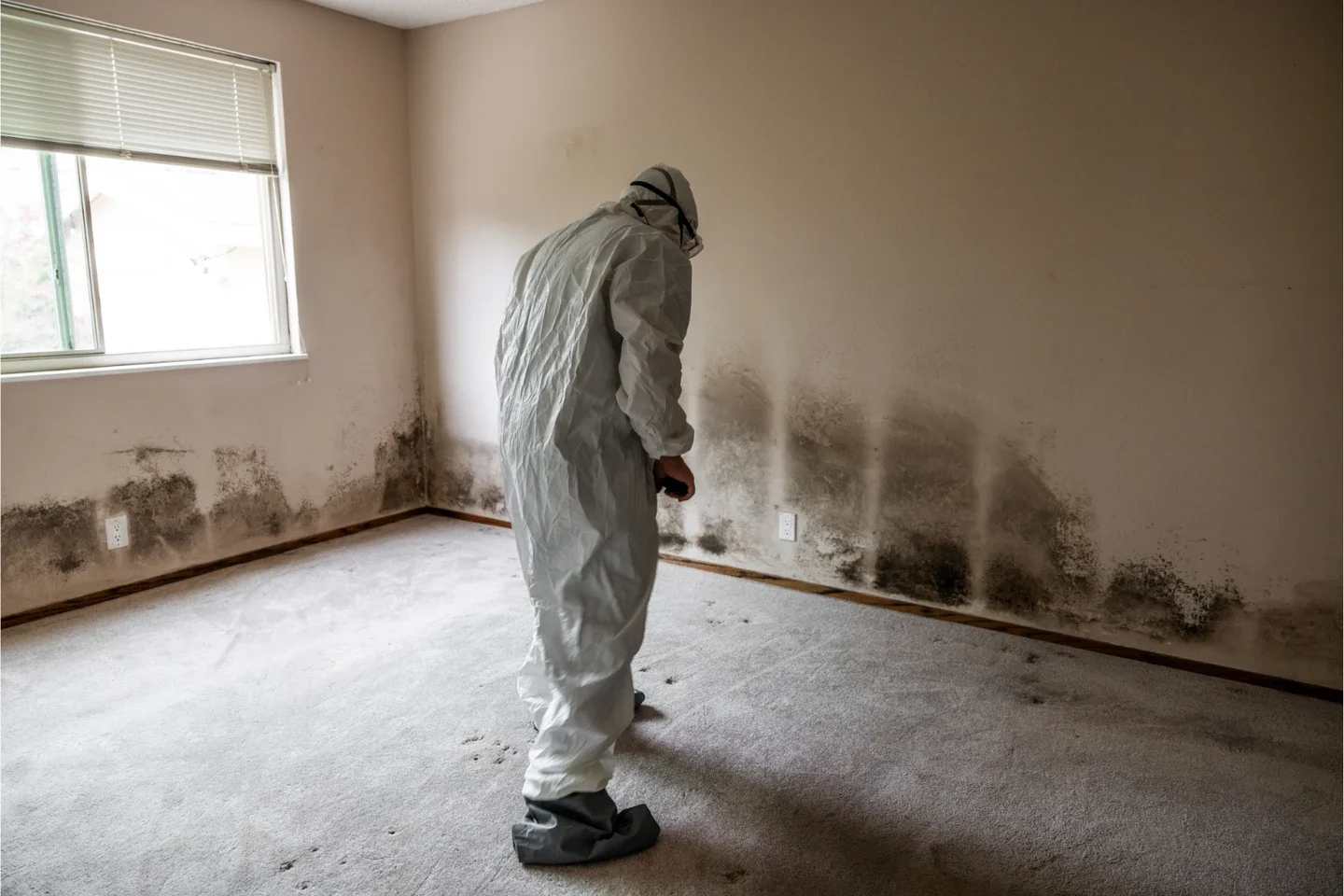
We begin with a complete property assessment, using moisture meters and air quality testing to locate both visible and hidden mold.
To stop spores from spreading, our team installs protective barriers and uses negative air machines to maintain safe air circulation.
Our experts carefully remove mold using HEPA vacuums, eco-friendly antimicrobial solutions, and specialized cleaning techniques to make sure surfaces are fully restored.
We clean and sanitize contaminated areas, removing musty odors and improving indoor air quality.
Since mold thrives in damp areas, we apply industrial-grade dehumidifiers and drying equipment to remove excess moisture and prevent future outbreaks.
Our last step confirms your property is safe and mold-free, giving you peace of mind.
Mold can pose serious risks, especially for children, seniors, and those with compromised immune systems. Some potential issues include:
Choosing professional mold removal protects your property and your family’s health.
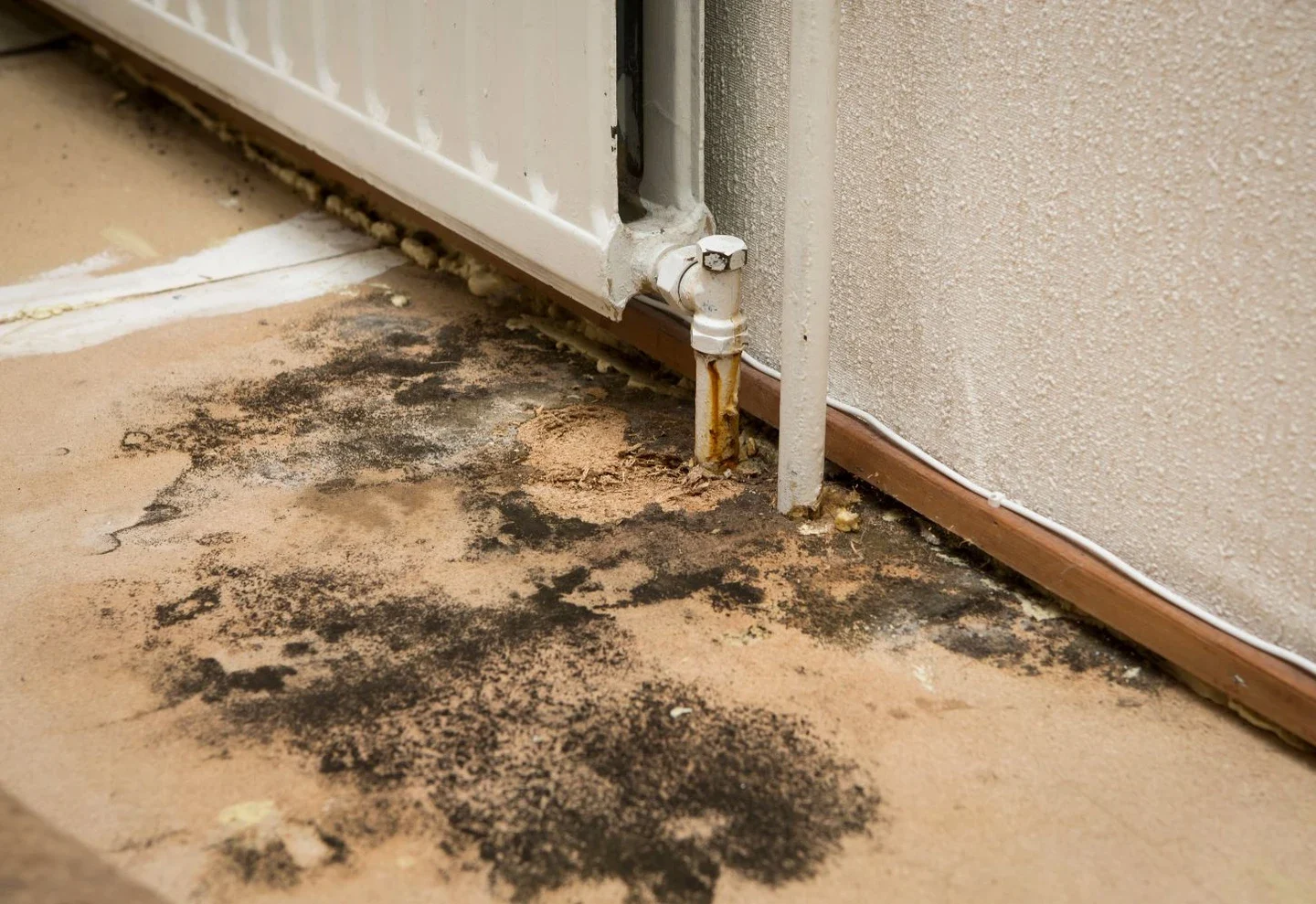
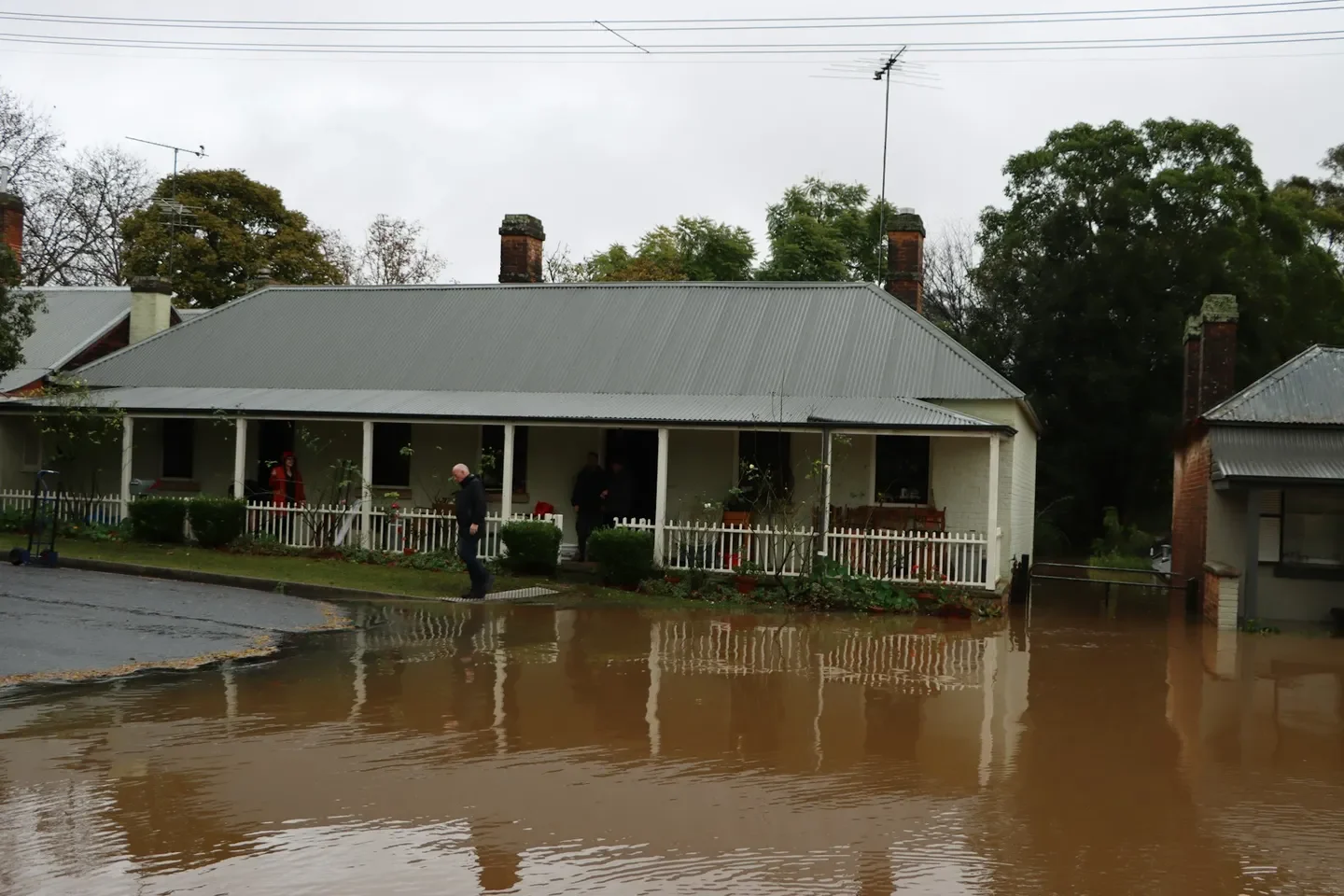
Mold in homes is often caused by plumbing leaks, roof leaks, or flooding. Our team provides safe mold remediation for houses, apartments, and rental properties, creating a healthier space for you and your loved ones.
For businesses, mold can disrupt operations and put staff and customers at risk. ASAP Water Damage Restoration offers commercial mold removal solutions designed to quickly resolve problems with minimal downtime, protecting your property investment and reputation.
Mold spreads quickly, especially after water damage. That’s why ASAP Water Damage Restoration provides emergency mold removal services in Los Angeles. Whether it’s day or night, our team is ready to respond with fast, safe, and effective solutions.
Don’t let mold compromise your health or property value. Contact ASAP Water Damage Restoration for safe mold removal services in Los Angeles you can count on.
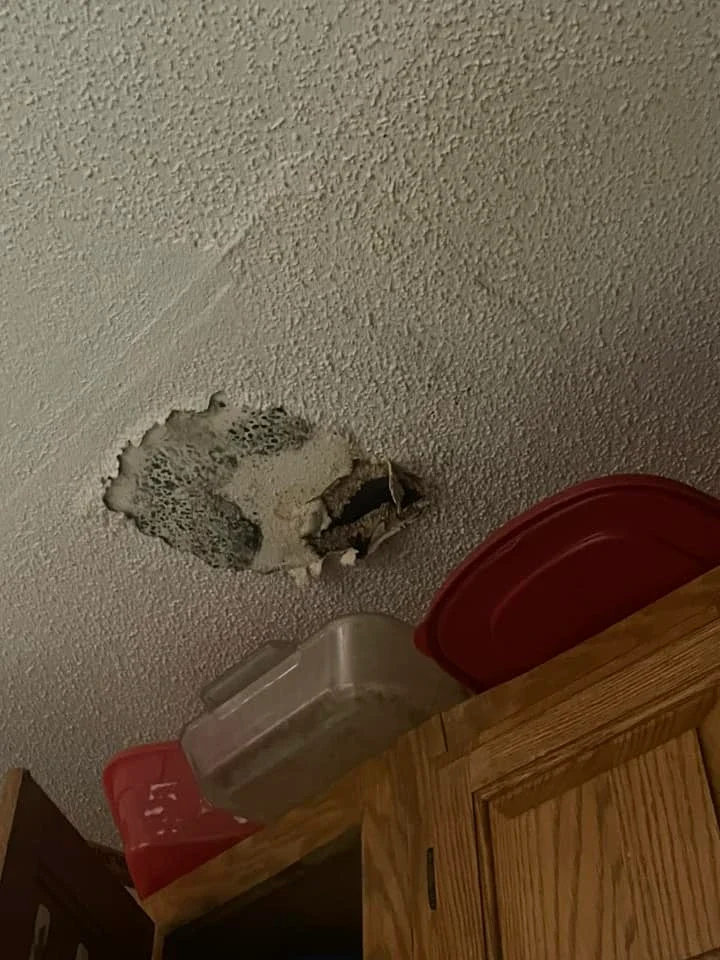
We proudly serve families and property owners across Los Angeles, focusing on high-risk areas with older homes and dense populations. Our service areas include Boyle Heights, South Los Angeles, Highland Park, El Sereno, Lincoln Heights, Koreatown, Mid-City, West Los Angeles, East Hollywood, Pico-Union, Westlake, and Echo Park. These neighborhoods feature homes often built before the 1960s, making them more vulnerable to plumbing failures, mold outbreaks, and fire-related structural issues. We’re trusted in these communities for our fast response, technical expertise, and personalized care bringing restoration solutions where they’re needed.
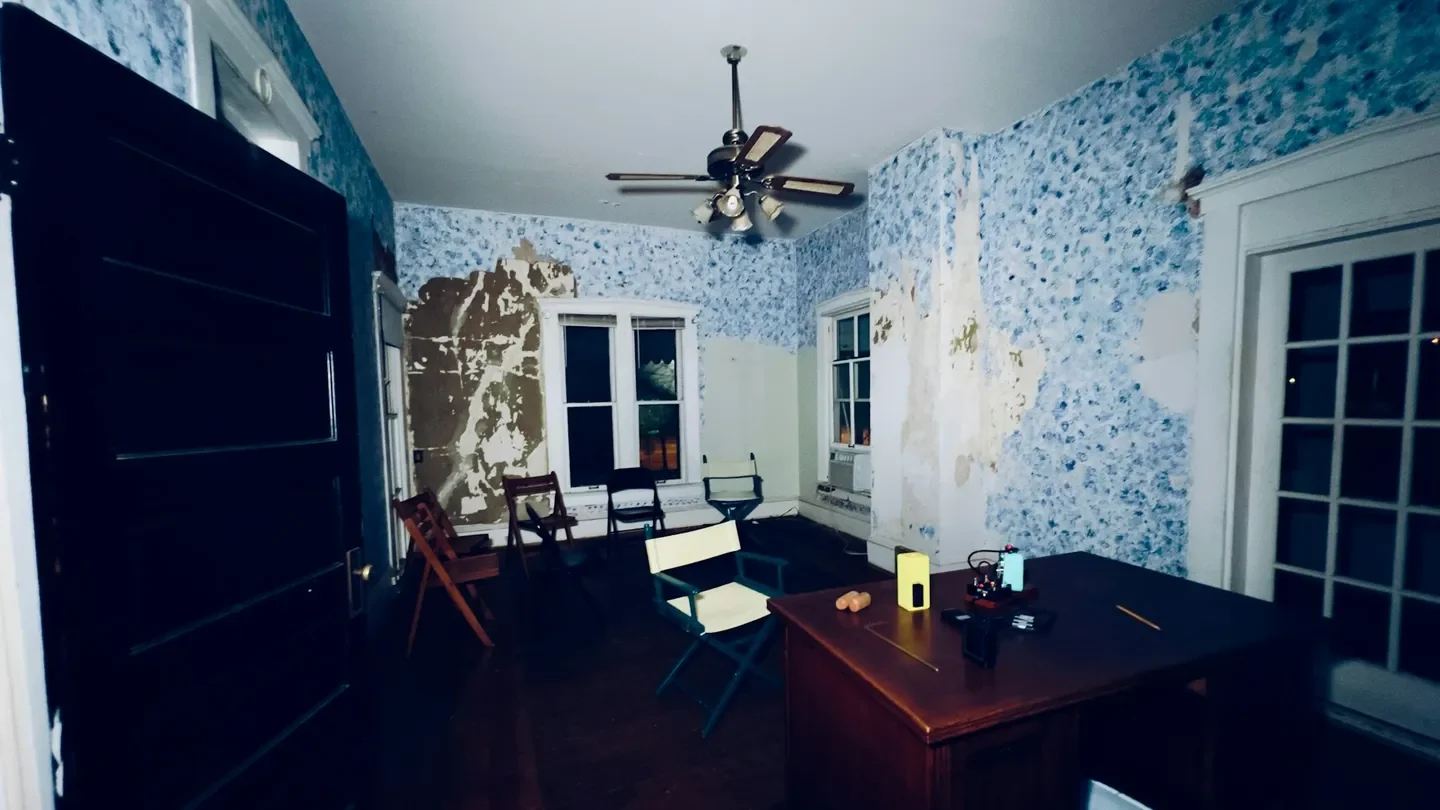
FAQs
Bleach kills surface mold on non-porous materials like tile, glass, and metal. On porous surfaces like drywall, wood, and insulation where mold actually grows bleach cannot penetrate deep enough to reach the roots. The water in bleach soaks into the material and feeds the mold, causing it to return within weeks. The EPA does not recommend bleach as a routine mold removal solution. Professional remediation uses EPA-registered antimicrobials that penetrate porous materials and eliminate mold at the root level.
Small patches under 10 square feet on non-porous surfaces like bathroom tile can sometimes be handled by a homeowner using proper protective gear. However, mold on drywall, wood, carpet, or insulation cannot be safely cleaned without professional containment and equipment. If mold covers more than 10 square feet, appears in multiple areas, is growing inside walls, or followed water damage, professional remediation is always required. DIY attempts on porous materials typically spread spores and make the problem significantly worse.
Not always, but frequently yes. Drywall is porous mold grows into it at the root level, not just on the surface. When drywall has been heavily contaminated, it cannot be fully cleaned and must be removed and replaced. Mold caught very early and limited to the surface may sometimes be treated without removal. Our technicians assess each situation individually and remove only what the contamination level requires nothing more.
Mold will return if the underlying moisture source is not corrected. Mold cannot grow without water, so identifying and fixing the source whether it is a leak, poor ventilation, or persistent humidity is the most critical part of the process. Our mold removal service includes moisture control and industrial drying after removal to address the root cause. When the moisture problem is properly resolved, mold does not return to treated areas.
No. Painting over mold does not stop it or kill it. Mold continues to feed on the organic material in the drywall or wood behind the paint and will cause it to bubble, crack, and peel over time resulting in a more costly repair. Mold-resistant paint is a preventive product designed for clean, dry surfaces only. It cannot be used as a remediation solution over existing mold growth.
The term black mold usually refers to Stachybotrys chartarum, which can produce mycotoxins under certain conditions. However, the CDC and EPA both note that mold color is not a reliable indicator of how dangerous a particular mold is. Any mold growing indoors poses potential health risks, especially for children, elderly individuals, and those with asthma, allergies, or compromised immune systems. All indoor mold regardless of color should be professionally assessed and removed promptly.
Professional mold removal uses containment and negative air pressure to prevent spores from escaping the work zone. The affected area is sealed with polyethylene barriers, the HVAC system is shut off, and a negative air machine exhausts contaminated air outside the building. This keeps air flowing into the work zone rather than out, trapping spores inside. HEPA vacuums and air scrubbers run continuously during removal to capture airborne particles. Contaminated materials are sealed in disposal bags before being carried through the property.
Items in the affected area are assessed before work begins. Non-porous items such as metal, glass, and sealed plastics can typically be cleaned and kept. Porous items like upholstered furniture, carpet, or mattresses that are heavily contaminated may need to be discarded. Personal belongings are moved out of the containment zone before work starts wherever possible. Our team explains clearly what can be saved and what needs to be removed before any work begins no surprises.