Certified Mold Inspectors Serving Los Angeles
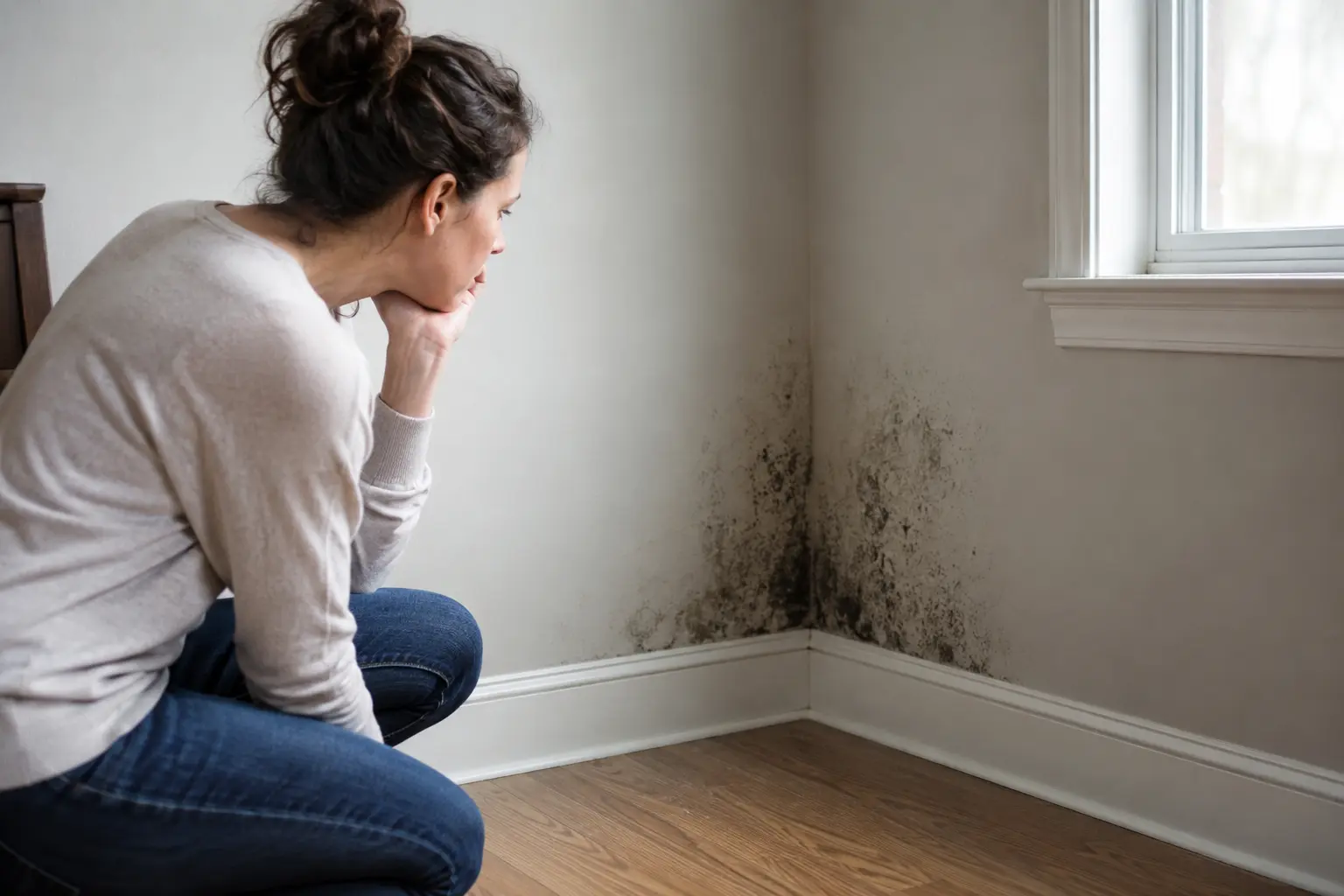
Something feels off. The guest room smells stale, the bathroom ceiling has a shadow that was not there in spring, and allergies flare the moment you walk in the door.
Our inspectors turn that hunch into facts: where mold is growing, what is floating in your air and what to do about it.
IICRC-certified inspectors | Lab-verified air samples | Moisture and infrared scans | Findings before any quote | 24/7 scheduling
Mold does not need a flood. It needs a damp surface, something organic to eat and a little time, and most homes offer all three somewhere.
Wall cavities, attic sheathing, crawl spaces and the backs of cabinets stay dark, still and humid most of the year.
Paper-faced drywall, wood framing, carpet backing and ceiling tiles give mold an endless supply of food once moisture finally arrives.
Air currents and HVAC ducts carry microscopic spores from one hidden colony into bedrooms, offices and living spaces every day.
Visible spots usually appear only after growth has already spread across the hidden side of a wall or ceiling panel.
Southern California sunshine fools people into thinking mold is rare here. These local conditions create it in homes across every neighborhood we serve.
A handful of heavy winter rains can saturate attic insulation, roof decking and ceilings that stay wet for several weeks.
Older foundations hide supply lines that crack and then quietly wet flooring and the bottoms of interior walls from below.
In condos and apartments, plumbing trouble in the unit upstairs turns into a mold problem in the unit beneath it.
Coastal neighborhoods from Venice to Long Beach see damp mornings that keep closets, bathrooms and crawl spaces humid most days.
Bathrooms without exhaust fans, laundry closets and rarely opened guest rooms trap humidity, even during the dry Valley summer heat.
After a leak, surfaces can look dry while drywall cores and subfloors stay damp enough for mold to keep growing.
Any one of these is reason enough to call. Two or more together usually mean mold is already active somewhere in the building.
An earthy, basement-like odor that comes back after cleaning and airing out is the most common reason people call us.
Water from a burst pipe, an appliance or storm, even cleaned up quickly, can leave damp materials hidden behind walls.
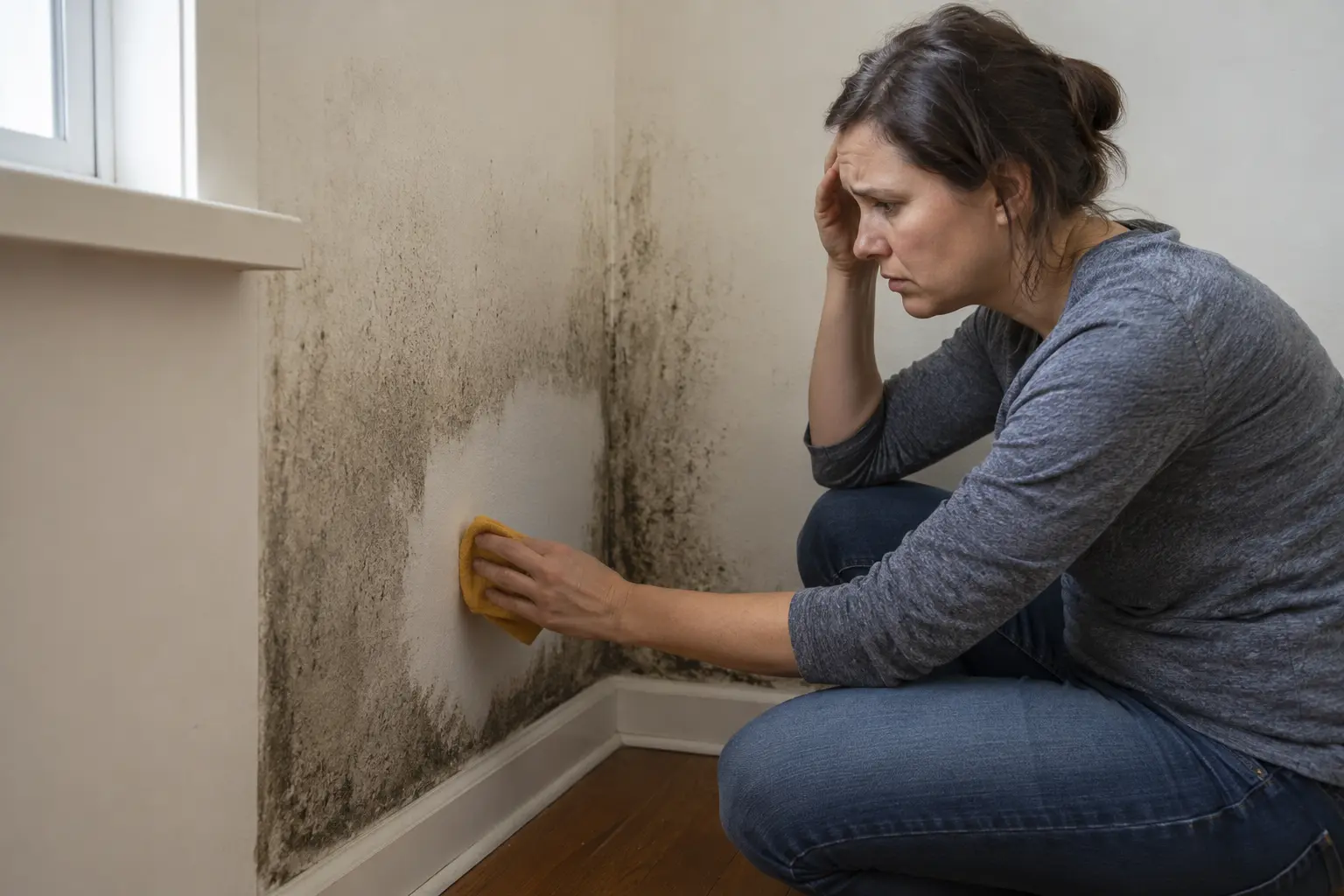
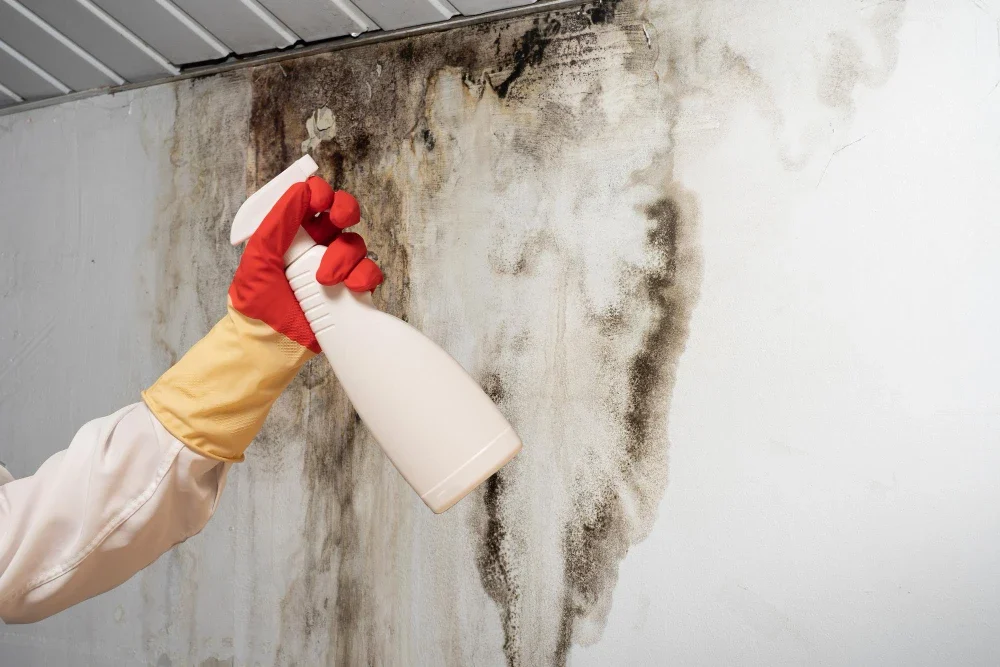
Gray, green or brown patches that grow, fade and then return point to moisture feeding growth underneath the paint surface.
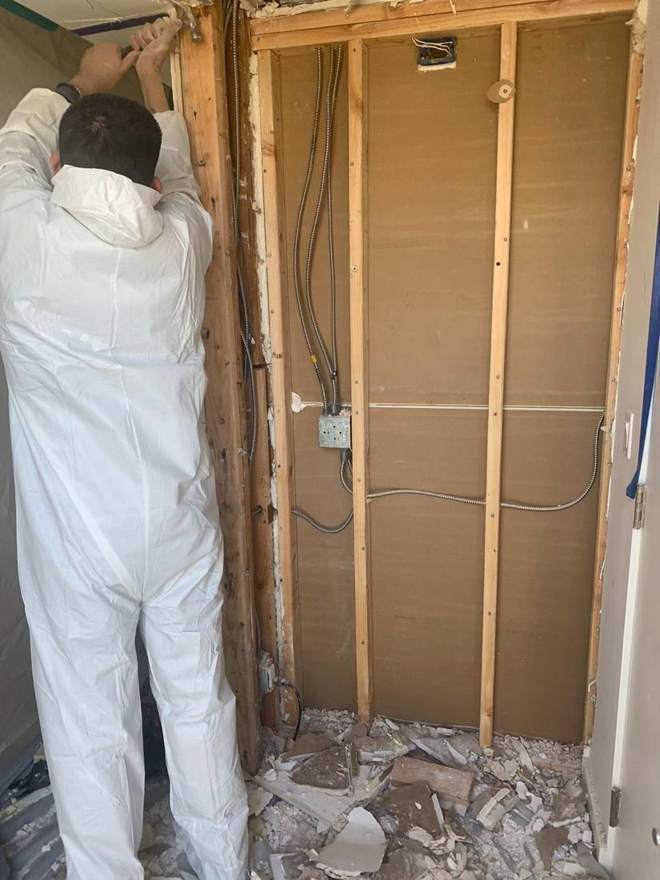
Peeling paint, soft drywall, swollen baseboards or warped flooring near kitchens and bathrooms often hide mold on the other side.
Constant condensation on glass and walls that feel cool and clammy always signal indoor humidity high enough for mold growth.
Sneezing, itchy eyes or a stuffy nose that improve after leaving can point to a problem with your indoor air.
Buyers, sellers, landlords and tenants use an independent inspection report to settle questions about mold before anyone signs the paperwork.
After mold removal by any company, testing confirms the problem is truly gone before walls are closed up and painted.
Not every property needs the same visit. Choose the option that matches your concern, and we will confirm it is the right fit when you call.
For odor with no clear source, older homes and health concerns. Covers every room, attic, crawl space and HVAC, plus air samples.
For one known trouble spot, like a ceiling stain. Covers that area and the surrounding rooms, with focused sampling.
For homes recovering from a flood, leak or burst pipe. Covers moisture mapping of everything wet, plus air testing.
For real estate deals, landlords and tenants. Produces documented findings in a report you can share.
For anyone whose mold was just remediated. Air and surface tests confirm levels have returned to normal.
One test rarely tells the full story. We combine sampling methods so the results describe your whole property, not one corner of it.
A calibrated pump pulls air through a cassette indoors and outdoors, letting the lab count and identify every spore type.
Visible spots are sampled directly, so the lab can name exactly what is growing on that wall, ceiling or cabinet.
A piece of drywall, carpet or insulation goes to the lab when we need to confirm growth inside the material.
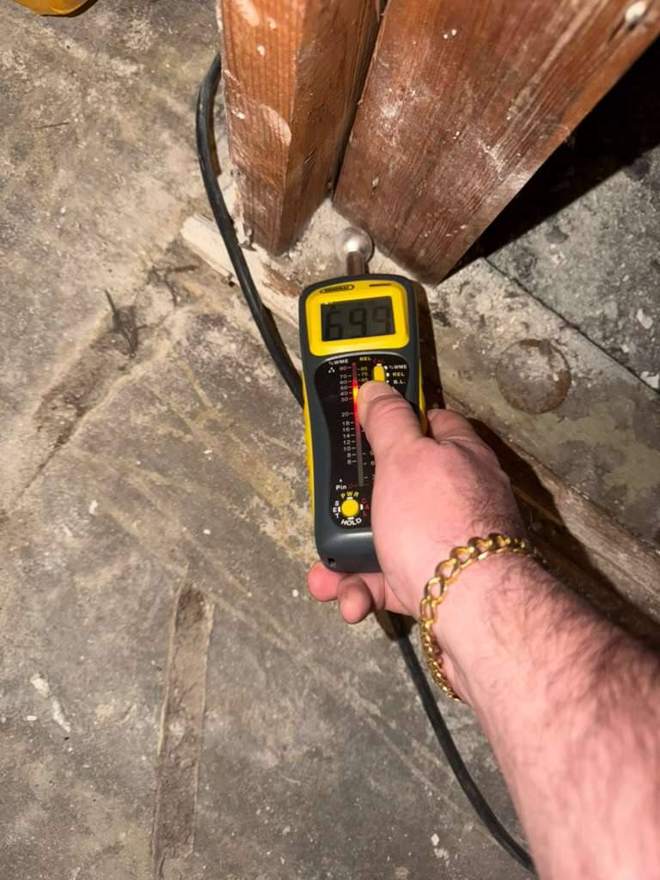
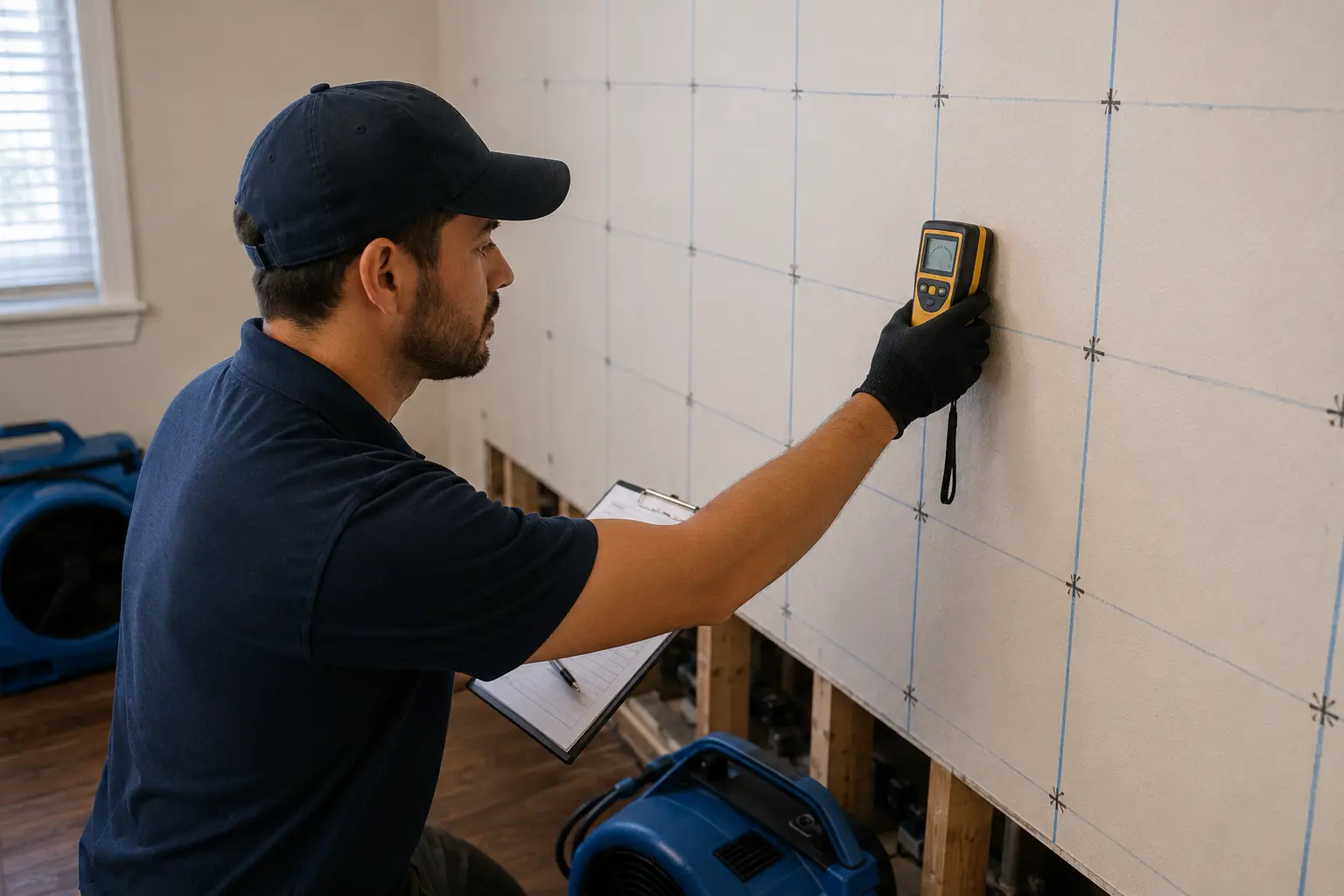
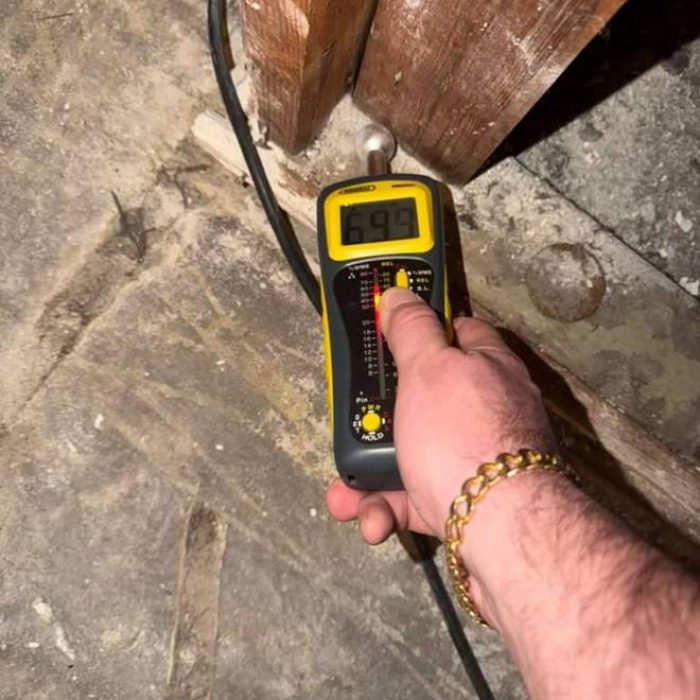
Readings across walls and floors reveal which materials are still wet, which shows where mold is likely to appear next.
Cool, damp areas behind walls and ceilings show up on screen without drilling, cutting or moving furniture out of place.
Whichever option you choose, these steps are part of every visit. Nothing is skipped to save time, and nothing extra is added without asking.
We listen to what you have noticed, any past leaks and who in the home is affected before inspecting anything.
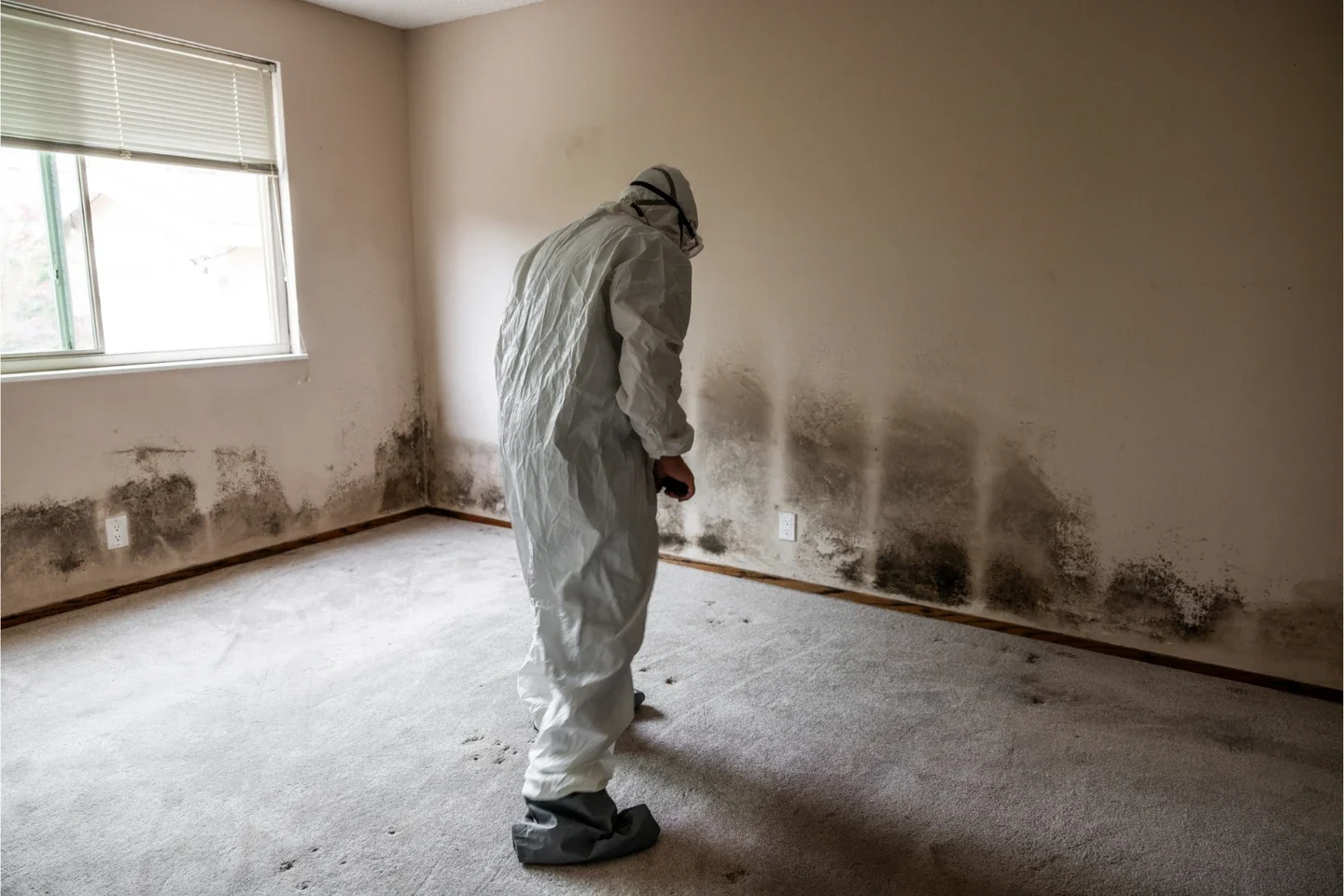
Bathrooms, kitchens, laundry, attic, crawl space, closets, windows and HVAC are each checked carefully for growth and any moisture damage.
Our meters and thermal scans locate damp materials hiding behind finished surfaces, recorded room by room for your written report.
Air samples are taken inside and outside for comparison, plus surface samples wherever any visible growth is found on site.
Every sample is analyzed by an accredited lab, so spore types and counts come from a neutral, outside third party.
Findings, readings, lab results and clear recommendations are organized in one clear document you keep and can share with others.
A team member explains the report in plain language and answers every single question before any next step is discussed.
Our Process
Tell us what you are noticing, and we schedule a visit that fits your busy week, including evenings and weekends.
A typical single-family home takes about one to two hours for the walkthrough, moisture readings, infrared scans and sample collection.
Air and surface samples are sealed, labeled and sent to an accredited lab that identifies the mold types and counts.
You receive photos, readings, lab results and a clear, simple explanation of where the moisture feeding the mold comes from.
A specialist walks through every finding with you, by phone or in person, and answers all of your remaining questions.
If remediation is needed, you get a written recommendation, and nothing at all is scheduled until you clearly say yes.
Lab reports look technical, but they come down to one comparison: what is in your indoor air compared with the air outside your home.
A clean air sample is good news, not a full clearance. Mold sealed inside a wall may not release spores that day, so we always pair air results with moisture readings.
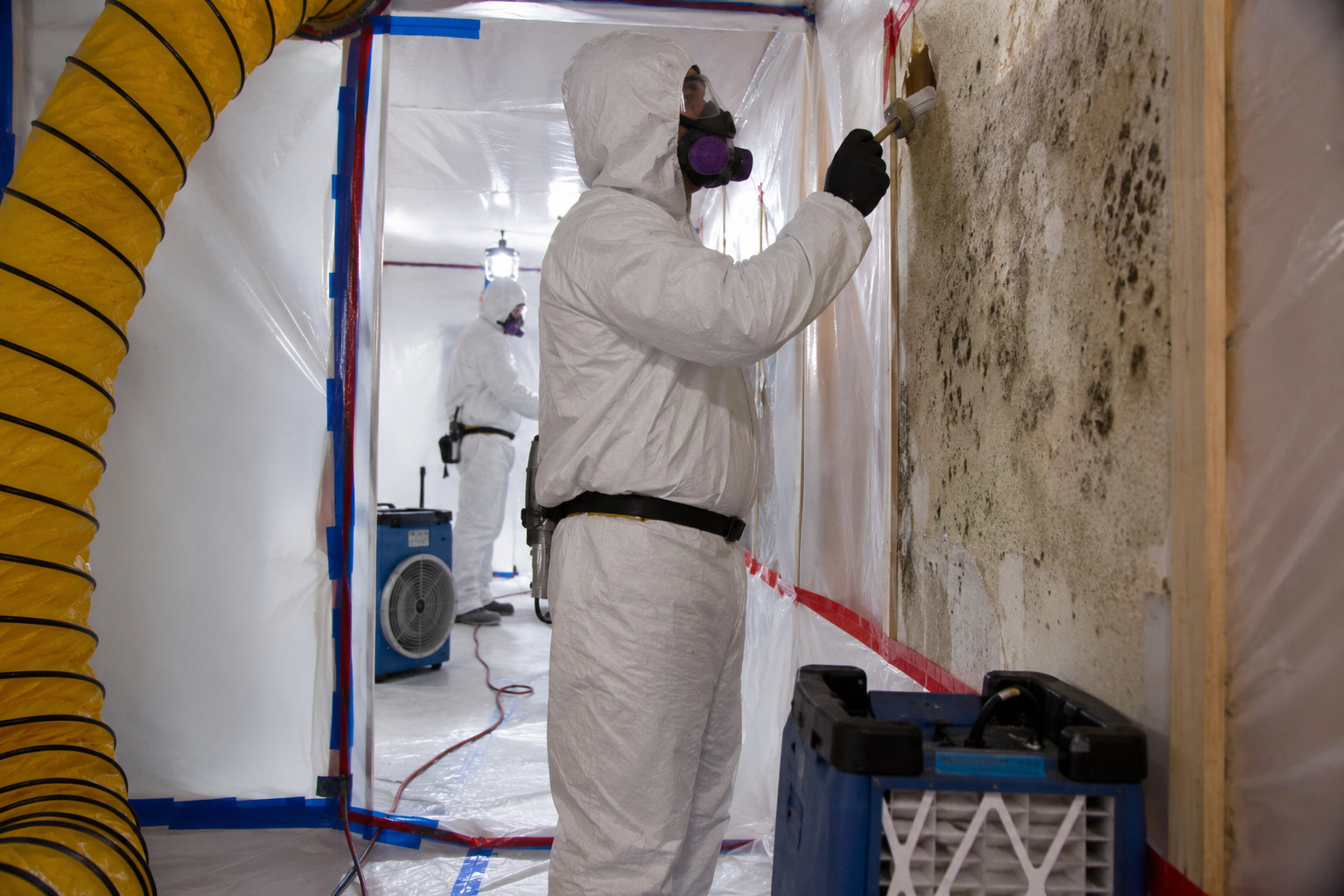
People ask us directly: if you also remove mold, will you just say I need it? It is a fair question, and here is our answer.
You always receive the complete report and lab results before anyone on our team ever mentions remediation, pricing or scheduling.
When your levels come back normal, we say so plainly and simply close your file without suggesting any extra work.
Every recommendation points back to lab numbers, moisture readings and photos you can verify yourself or with anyone you choose.
After remediation, an independent outside tester can confirm the results, so you never have to rely on our word alone.
The report belongs to you, and you can hand it to any remediation company you prefer for a competing quote.
Every property is different, so you get a quote before we book. Five things shape the price.
A studio apartment takes far less inspection time than a two-story house with a full attic and a crawl space.
Checking one bathroom ceiling costs noticeably less than inspecting every single room, closet, attic and duct in the whole property.
Each air, surface or bulk sample is analyzed separately by the lab, so the number of samples affects the total.
Crawl spaces, tight attics and HVAC systems take more setup and inspection time, especially in older hillside and raised-foundation homes.
Real estate deals and tenant disputes sometimes need more detailed documentation, which adds extra time to preparing the final report.
Mold in a rental raises questions about responsibility. A neutral, documented inspection gives both sides facts to work from instead of arguments.
Tell your landlord about suspected mold in writing, keep dated photos and save every written reply you receive from them.
LA County renters can report mold to Public Health at 888-700-9995 or online to request an official county inspection.
An inspection between tenants, after a leak or when a complaint arrives creates a clear record of the condition of the unit.
We inspect apartments, condos and multi-unit buildings and coordinate entry times with your on-site team and all the residents involved.
The two services answer different questions. Inspection tells you what is happening, and remediation fixes it once the problem is confirmed.
| Mold inspection and testing | Mold remediation | |
|---|---|---|
| Start here when | You suspect mold but cannot see where or how much | Mold is confirmed or plainly visible |
| The goal | Find the source, measure spores, recommend next steps | Contain, remove and clean mold, then fix the moisture |
| You walk away with | A written report and lab results | A clean space and optional clearance testing |
If a large patch is already visible, testing before removal usually adds cost without changing the plan. See our mold remediation service.
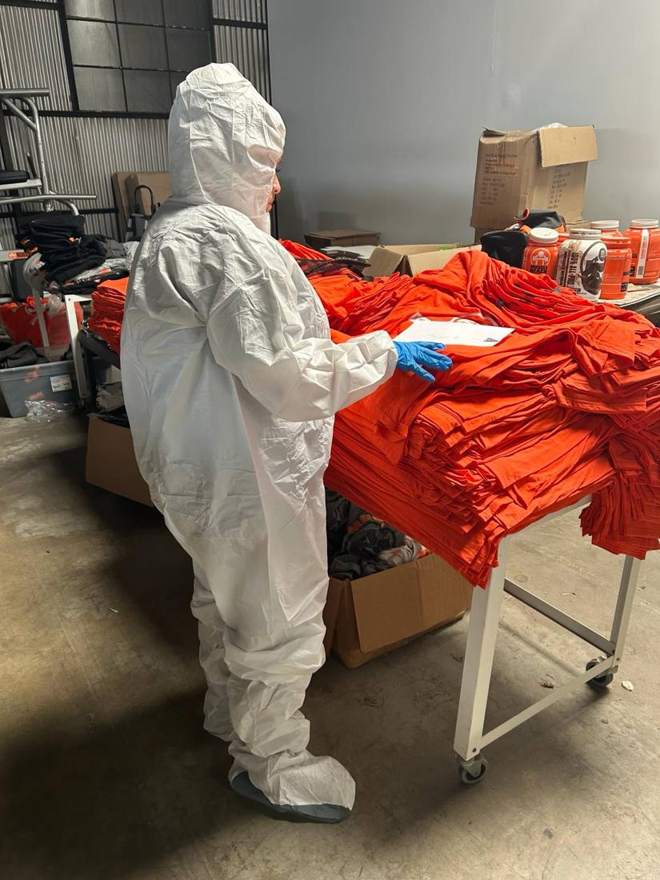
Twenty-five years of restoration work taught us how moisture really travels through walls, which tells us exactly where mold hides.
Our inspectors are trained to recognized industry standards for mold, so sampling and reporting follow a consistent, proven, repeatable method.
Air sampling pumps, pin and pinless moisture meters and infrared cameras come to every inspection, not just some of them.
A neutral, accredited laboratory analyzes every sample, so the numbers in your report come from entirely outside our own company.
Evening and weekend appointments are available, and urgent inspections after water damage can be booked at any hour of day.
We regularly inspect single-family homes, condos, apartment buildings, offices and retail spaces throughout greater Los Angeles County every single week.
Leak detection, drying and remediation are available from the same local team if your report shows a problem needing attention.
Your property is fully protected during every inspection, from the very first walkthrough to the final air sample we collect.
Mold Inspection Near You in Los Angeles
From our office at 925 N La Brea Ave, inspectors visit homes and businesses across Los Angeles County, usually within a short drive of your door.
We proudly serve homeowners, renters, landlords and property managers across:
FAQs
Usually, yes. A musty smell, past leak or returning stain has a cause, and an inspection finds it. Sometimes it also shows you need no remediation at all, saving money.
Price depends on property size, whether we inspect the whole home or one area, and how many lab samples are needed. You receive a written quote before booking anything else.
Test when you notice a lingering musty odor, recent water damage, stains that keep returning, or allergy symptoms that improve whenever you spend time away from your home or apartment.
A typical home takes about one to two hours on site. Larger houses, multi-unit buildings and commercial spaces take longer, depending on access, floor layout and the total sample count.
Samples go to an accredited lab right after the visit, and a specialist reviews the full written report with you, step by step, as soon as the laboratory results return.
They list the mold types found and how many spores were in each sample. Indoor counts should sit below outdoor counts. Much higher indoor numbers suggest active growth somewhere inside.
Not necessarily. Mold sealed inside walls or under flooring may not release spores during sampling, which is why we also take moisture readings and inspect every single area visually too.
Usually not before removal. Visible growth already confirms the problem, so testing first adds cost without changing the plan. Testing afterward is worthwhile to confirm the cleanup actually worked well.
Not for most homes. Spores exist in nearly every indoor space, so kits nearly always show growth. They cannot show where mold is, how much exists or what to do.
A general home inspector may note obvious visible mold or moisture. A dedicated mold inspection adds air sampling, moisture mapping and infrared scans to find what standard inspections usually miss.
The rainy months bring the most new cases, when storm leaks soak roofs, attics and walls. Coastal homes near the marine layer can stay damp enough for growth year round.
No. Mold spores are present in every home and in outdoor air. The realistic goal is normal indoor levels and no active growth, which is exactly what our testing confirms.
A stale smell or an old leak is worth checking now, while answers are simple. Call ASAP Water Damage Restoration Los Angeles at (323) 677-2811 or send a request below to book your inspection.