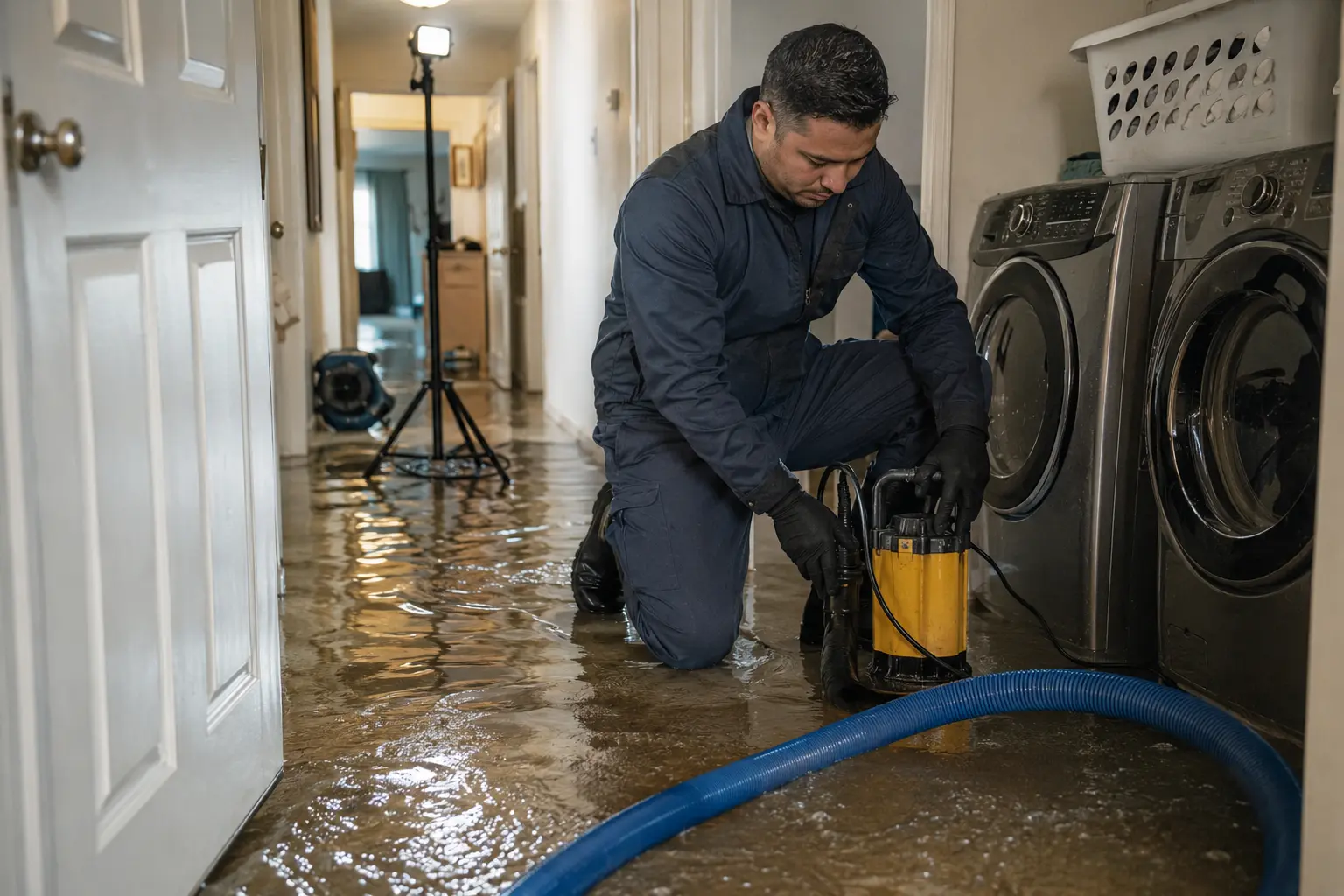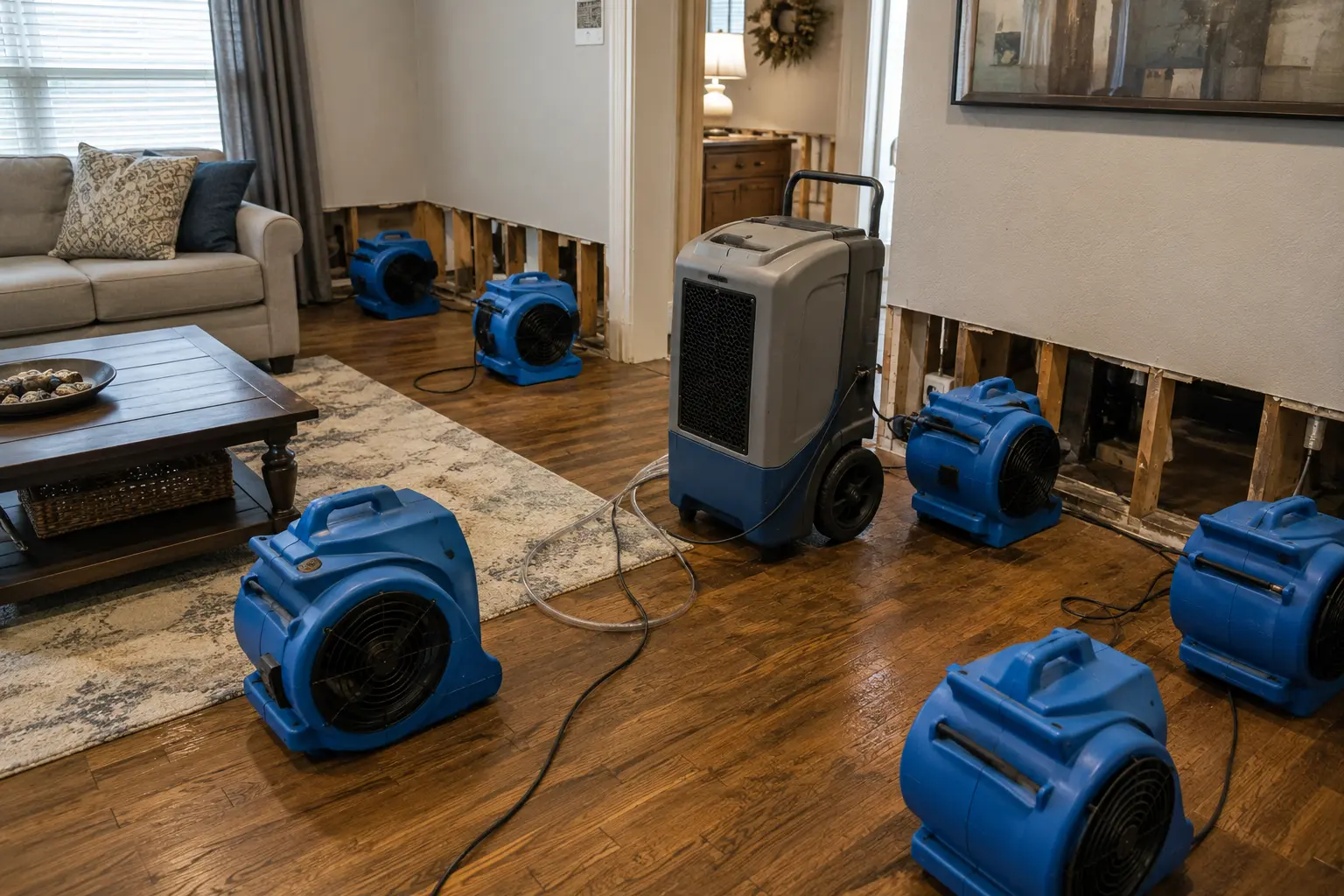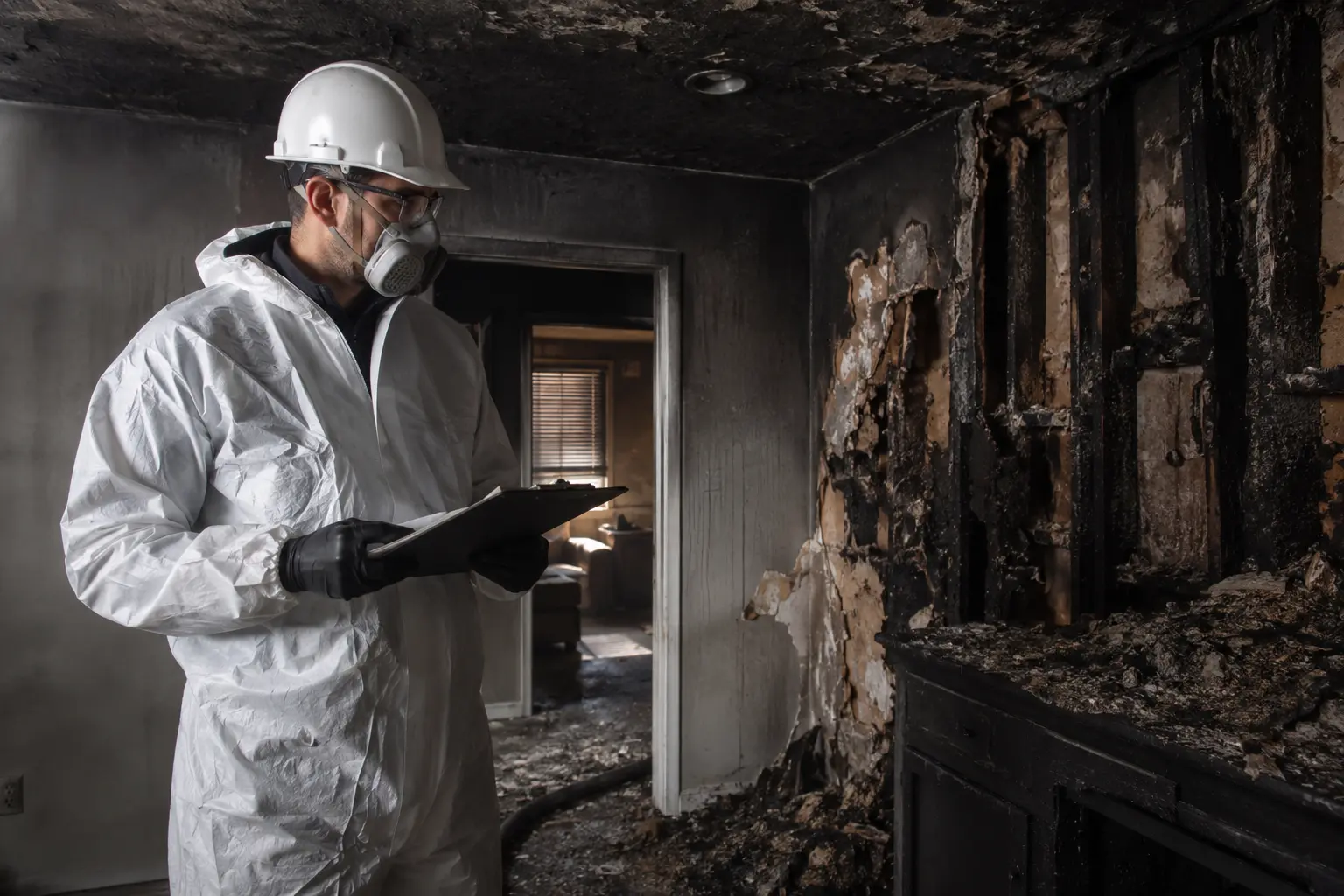
If you search for mold help in Los Angeles, you’ll find contractors using all three of these terms interchangeably in their advertising, which doesn’t help if you’re trying to understand what you’re actually paying for. These terms aren’t perfectly standardized across the industry, but they do have generally accepted meanings that are worth understanding before you hire anyone.
Why the Terminology Matters
The term a company uses often signals their philosophy about what mold cleanup actually involves. A company that promises “complete mold removal” may be setting an expectation they cannot fulfill, since complete removal of all mold spores from a building is neither achievable nor necessary. A company that uses “remediation” language is typically signaling a more realistic, process-oriented approach. Understanding the distinction helps you ask better questions and identify which companies have a realistic understanding of what proper mold cleanup involves.
What “Mold Removal” Means and Why It’s Misleading
“Mold removal” implies that all mold can be taken out of a property entirely, which isn’t accurate. Mold spores are present in the air in virtually every building at low, background levels that are normal and harmless. The goal of any mold intervention isn’t to achieve zero mold, which is impossible, but to bring mold levels back to normal background levels and eliminate the conditions that caused elevated growth. A contractor who promises to “remove all mold” from a property is either using imprecise marketing language or setting an unrealistic expectation. Neither is a good sign.
That said, “mold removal” is widely used as a casual term for any kind of professional mold cleanup, and many reputable companies use it in their marketing even when their actual process follows proper remediation standards. Don’t automatically disqualify a company based on terminology alone, but do ask specifically what their process involves to assess whether it’s thorough.
What “Mold Remediation” Means
Mold remediation is the more technically accurate term for the professional process of addressing a mold problem. “Remediation” means bringing something back to an acceptable condition, and in the context of mold, this means reducing elevated mold levels back to normal, background concentrations through a defined process rather than claiming to eliminate mold entirely.
A proper mold remediation process includes:
- Assessment: Identifying the extent of mold growth, the type of mold present if relevant, and the underlying moisture source that caused it
- Containment: Establishing physical barriers to prevent mold spores from spreading to unaffected areas during the cleanup process
- Air filtration: Using HEPA air scrubbers to capture airborne spores within the work area during remediation
- Material removal: Physically removing and disposing of materials with mold growth that cannot be effectively cleaned (drywall, insulation, carpet)
- Cleaning and disinfection: Treating remaining structural surfaces with appropriate antimicrobial agents
- Moisture source resolution: Addressing the underlying moisture problem that allowed mold to grow, which is not optional and should be a required component of any legitimate remediation
- Post-remediation verification: Confirming that mold levels have returned to normal after the work is complete
A company conducting proper remediation should be able to describe each of these steps clearly. If they can’t explain their containment approach, their air filtration setup, or their post-remediation verification process, they may be offering surface cleaning under a remediation label rather than a genuinely thorough process.
What “Mold Abatement” Means
Mold abatement is more commonly used in commercial, industrial, and regulatory contexts than in residential settings. “Abatement” generally refers to the reduction or elimination of a hazard in compliance with regulatory or safety standards, and mold abatement often implies a more formally structured process with documented compliance requirements, similar to how asbestos abatement or lead abatement are used in those contexts.
In practice, mold abatement and mold remediation describe similar processes, the systematic professional cleanup of a mold problem following established protocols. The term “abatement” tends to appear more in commercial property, industrial, or government building contexts where regulatory compliance documentation is specifically required. For most residential situations in Los Angeles, “remediation” is the more commonly used and applicable term.
What Proper Containment Looks Like and Why It Matters
Containment is one of the most important and most frequently skipped steps in mold cleanup. When mold-affected materials are disturbed during cleanup, mold spores become airborne in concentrations far higher than background levels. Without proper containment, these spores can spread throughout the rest of the building, settling in previously unaffected rooms and HVAC systems, potentially creating new mold growth locations in areas that were previously fine.
Proper containment for a significant mold remediation involves physical barriers (typically 6-mil polyethylene sheeting) separating the work area from the rest of the building, sealed doorways and HVAC vents in the work zone, and negative air pressure maintained within the containment area using an air scrubber exhausting to the outside, so any air leakage flows into the work area rather than out of it. This is a meaningful setup that takes time and materials, which is part of why proper remediation costs more than a surface cleaning job. If a contractor plans to work in your home without any containment setup, that’s a significant red flag regardless of what terminology they use.
How to Evaluate a Mold Company’s Actual Process
Regardless of which term a company uses, asking these questions will tell you more about their actual process than their marketing language:
- How do you establish containment before starting work?
- What air filtration equipment do you use during remediation?
- Will you remove affected materials or only clean and treat them in place?
- Do you address the moisture source as part of your scope or only the mold itself?
- How do you verify that remediation was successful before considering the job complete?
A company with a thorough, consistent process will answer each of these clearly and confidently. Vague answers, resistance to explaining their process, or a promise to “remove all mold” without explanation of how post-remediation verification works are all worth treating as caution signals. For more on what proper verification after remediation looks like and why it matters, see our guide on can mold come back after remediation.
Does California License Mold Contractors Specifically?
California does not have a specific mold remediation contractor license separate from a general contractor license, though regulations around mold disclosure and assessment apply to real estate transactions. This means the barrier to entry for calling yourself a mold remediation company is relatively low, which makes evaluating process and credentials (IICRC certification, verifiable references, clear process description) more important than assuming any licensed contractor has been trained and tested specifically in mold remediation protocols.
IICRC’s Applied Microbial Remediation Technician (AMRT) credential is the most recognized certification for mold remediation specifically, and asking whether a company employs AMRT-certified technicians is a reasonable question when evaluating providers.
What Happens During Post-Remediation Verification and Why It Matters
Post-remediation verification (PRV) is the step that confirms a remediation job actually worked, and it’s one of the most frequently skipped steps in the industry despite being one of the most important. PRV typically involves either air sampling, surface sampling, or both, conducted after all remediation work is complete and containment has been removed, comparing mold levels in the treated space against outdoor baseline levels and against any unaffected reference areas inside the building.
The goal of PRV isn’t to find zero mold, since that’s not achievable or the standard. The goal is to confirm that mold levels inside the treated area have returned to levels comparable to or lower than the outdoor baseline, indicating that the elevated mold condition has been resolved rather than just partially addressed. A clearance result within acceptable parameters means the space is safe for rebuilding and reoccupancy. A failed clearance result means remediation work needs to continue or be revisited before the space is closed back up.
Why does this matter? Without PRV, a remediation job is considered complete based on visual inspection alone: the technicians confirm they can’t see any more mold and the space smells clean. But mold spores are microscopic and invisible, and a space that looks completely clean can still have elevated airborne spore counts indicating incomplete remediation. Rebuilding a wall over an unchecked space that actually needed additional work is one of the more common and avoidable causes of mold recurrence after a professionally conducted remediation job.
How Mold Remediation Scope Expands When HVAC Is Involved
When mold has affected a space with an active HVAC system, the remediation scope needs to include the ductwork serving that area, not just the surfaces in the room. HVAC systems can distribute mold spores throughout a building during an active mold event, and residual spore contamination in the ductwork will continue to reseed remediated spaces every time the system runs. This adds meaningful cost and complexity to a remediation job since duct cleaning is a separate specialty, but skipping it in favor of a less expensive scope is one of the reliable ways to guarantee that remediated spaces develop mold again within months, regardless of how thoroughly the room surfaces were treated.
Mold Remediation Cost Factors in Los Angeles
Mold remediation costs in Los Angeles vary significantly based on several factors that are worth understanding before getting quotes, so you can evaluate whether a given estimate reflects a thorough scope or a partial one. The major cost drivers include: the square footage of affected area, the type of materials affected (drywall and insulation are straightforward; hardwood flooring and plaster require different handling), the contamination category of any associated water damage, whether containment is required (larger or more severe jobs require more extensive containment setup), whether HVAC cleaning is needed, and whether post-remediation verification testing is included in the scope or billed separately. A very low estimate that doesn’t include containment setup, HEPA filtration, material disposal, and post-remediation verification should be questioned specifically about what’s excluded, since these are not optional extras for a properly conducted remediation job.
How Mold Remediation Works in Occupied Spaces
Not every mold remediation requires vacating the entire property, and understanding the specific conditions that do and don’t require occupant relocation helps set realistic expectations. The key factors are the size of the affected area, the contamination level, and whether the containment setup can effectively prevent cross-contamination of occupied areas during work.
Small, localized mold problems, a bathroom with mold on a section of wall, a closet corner with visible growth, can often be remediated while the rest of the property remains occupied, provided proper containment is established at the work area boundary and the HVAC system is managed appropriately to prevent spore redistribution. The occupants of the property should not be in the work area itself during active remediation, but normal daily life in other parts of the building is typically compatible with a well-contained small-scope job.
Larger mold problems affecting significant square footage, multiple rooms, or the HVAC system itself generally require either temporary relocation of all occupants or a phased approach where sections of the building are remediated sequentially while occupants temporarily concentrate in confirmed-clean areas. Properties with occupants who have asthma, compromised immune systems, or known mold sensitivity should apply a more conservative approach to occupancy during remediation regardless of scope, since these individuals may react to spore levels that a healthy adult would tolerate without noticeable symptoms.
What Mold Remediation Looks Like in Commercial vs Residential Settings
The fundamental process for mold remediation is similar in commercial and residential settings, but commercial jobs introduce several layers of complexity that residential work typically doesn’t involve. Regulatory requirements for specific commercial occupancy types, like healthcare facilities, food service establishments, schools, and childcare centers, impose stricter standards for mold clearance than standard residential remediation. These facilities may require specific documentation, third-party clearance testing by a licensed industrial hygienist, and in some cases notification to regulatory authorities depending on the scale of the problem.
Business continuity is also a major factor in commercial remediation that doesn’t apply to residential work. A retail business, restaurant, or office that closes entirely for a week of remediation faces tangible revenue loss on top of the remediation cost itself. This creates pressure to complete work quickly and with minimal disruption, which requires a company experienced in commercial phasing and scheduling rather than simply applying a residential process to a larger space. Equipment selection, crew size, work hour scheduling (after-hours or weekend work to minimize business disruption), and coordination with business management all become part of the job in a way that residential work rarely requires.
How to Read a Mold Remediation Quote and Know What’s Missing
A detailed remediation quote should break down costs by distinct components rather than presenting a single total. Here is what a thorough quote should include and what to ask about if it’s absent:
Assessment and testing: Initial mold inspection and, if applicable, air or surface sampling to establish pre-remediation conditions and guide the scope. Some companies include this in their overall quote; others bill it separately or recommend an independent inspector.
Containment setup and breakdown: Materials and labor for establishing physical containment barriers and sealing HVAC vents in the work zone, then removing and disposing of containment materials after work is complete.
Air scrubbing and HEPA filtration: Equipment and operation time for running air scrubbers within the containment zone throughout the work period.
Material removal and disposal: Labor and disposal fees for removing and properly disposing of mold-affected materials. This should specify which materials are being removed and why.
Structural cleaning and antimicrobial treatment: Labor and materials for cleaning and treating remaining structural surfaces.
Post-remediation verification: Either included in the overall quote or billed as a separate line item, this should be explicitly addressed. A quote that doesn’t mention PRV at all warrants a direct question about how the company confirms the remediation was successful.
Any quote that presents a single number without these components broken out makes it very difficult to compare against other quotes or verify that a complete scope is being provided. Asking for a line-by-line breakdown before agreeing to anything is a reasonable and standard request that a professional company should accommodate without hesitation.
Quick Reference
| Term | What It Actually Means | Red Flag Version |
|---|---|---|
| Mold Removal | Casual term for mold cleanup; accurate if process is thorough | Promise to “remove all mold” with no explanation of how |
| Mold Remediation | Systematic process to bring mold back to background levels following IICRC standards | Called “remediation” but no containment, filtration, or verification steps |
| Mold Abatement | Regulatory-compliance-focused remediation, more common in commercial/industrial contexts | Used without any explanation of the compliance standards being followed |
If you are dealing with mold anywhere in Los Angeles, our team follows proper remediation protocols including containment, HEPA filtration, moisture source resolution, and post-remediation verification, not just surface cleaning under a remediation label. See our companion guide on why mold keeps coming back for more on why process quality determines whether mold stays gone.
Need professional mold remediation in Los Angeles? Call ASAP Water Damage Restoration for a thorough assessment and a process that actually addresses the root cause.
Keep reading
- How to Prevent Mold After Water Damage in Los Angeles
- How to Check for Mold After Water Damage
- Does Insurance Cover Water Damage, Mold, or Flooding?
Need help now? See our Mold remediation in Los Angeles or call (323) 677-2811, 24/7.