In everyday conversation, “flood damage” and “water damage” get used interchangeably; both describe water somewhere it shouldn’t be. But in the restoration and insurance industries, these terms describe two specifically different things, and the distinction has real consequences for what’s covered under your insurance policy and how the cleanup process is classified.
What “Water Damage” Generally Means
Water damage is the broader, general term for any damage caused by water intrusion, regardless of source. This includes burst pipes, appliance leaks, roof leaks, overflowing fixtures, and yes, flooding. In casual use, water damage is the umbrella category, and flood damage is technically a subset of it.
What “Flood Damage” Specifically Means
In insurance and regulatory contexts, flood damage has a much more specific definition: damage caused by the general and temporary condition of partial or complete inundation of normally dry land area from the overflow of inland or tidal waters, unusual and rapid accumulation of surface waters from any source, mudflow, or similar events affecting two or more properties or acres. The key elements are that the water originates from outside the structure (rather than from the home’s own plumbing or appliances) and that it affects a broader area, not just a single isolated property.
This precise definition matters enormously because it’s the line insurers use to determine whether standard homeowners insurance applies (it generally doesn’t for flood damage as defined above) or whether separate flood insurance is required. For a full breakdown of this coverage distinction, see our guide on does insurance cover flood damage.
Practical Examples to Illustrate the Difference
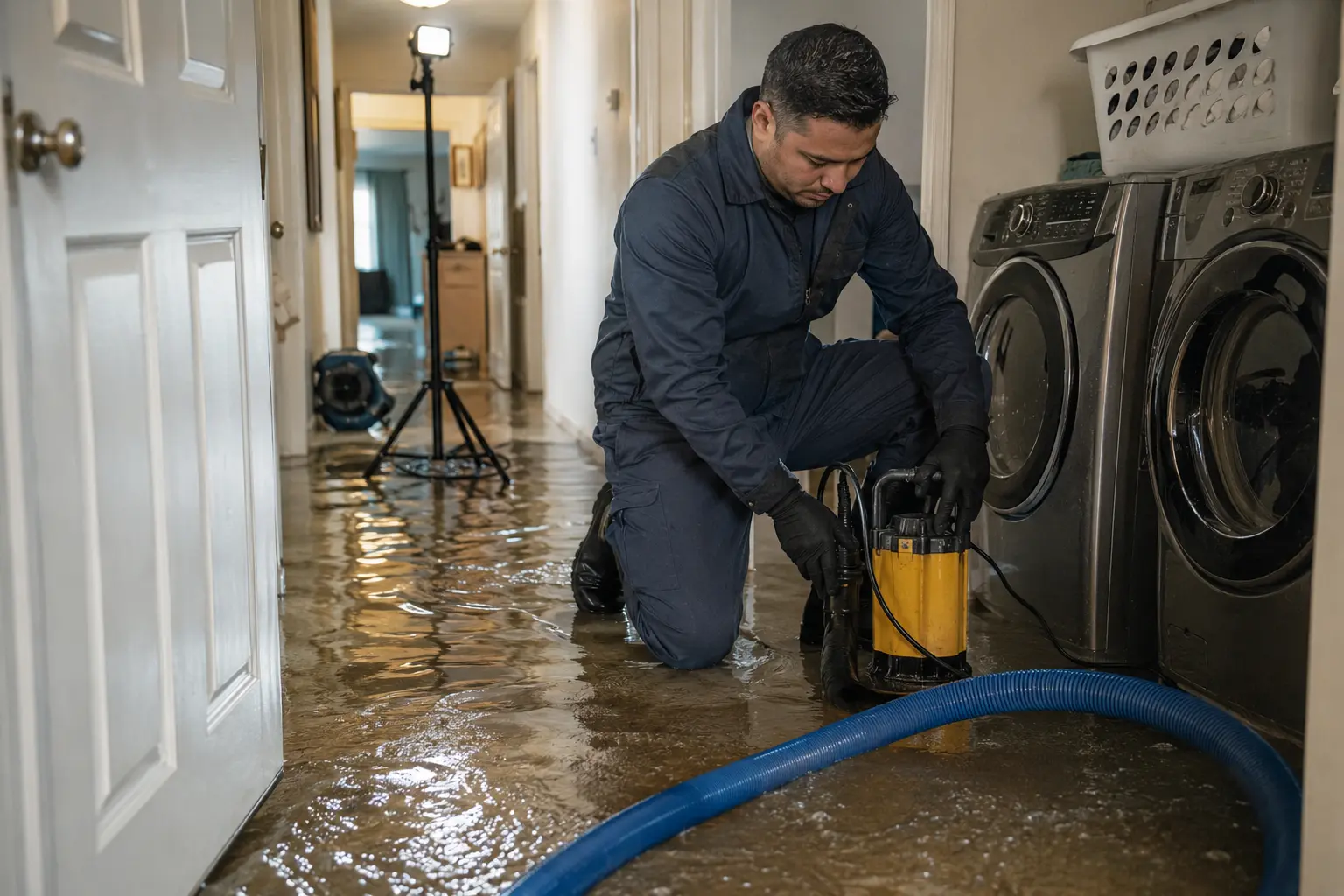
Water damage, not flood damage: A washing machine hose bursts and floods your laundry room. A pipe freezes and cracks, releasing water into a wall cavity. A roof shingle blows off during a windstorm, allowing rain to leak through into an attic. In all these cases, the water originated from a source specific to your property, not a broader inundation event, so this is classified as water damage and is generally covered under a standard homeowners policy.
Flood damage, not standard water damage: Heavy rain overwhelms the storm drains on your street, and water rises and seeps into your home through the foundation or ground-level doors. A nearby creek overflows during a storm and water spreads across multiple properties in the neighborhood, including yours. In these cases, the water originated from outside your property as part of a broader event affecting the surrounding area, which is classified as flood damage and typically requires separate flood insurance.
Why the Distinction Gets Confusing in Practice
Real-world events don’t always fall neatly into one category. A major storm can cause both at the same time: wind damage to your roof allowing rain to leak in (covered water damage) while simultaneously, street flooding seeps in through your foundation (excluded flood damage). When this happens, a thorough assessment that documents and separates the different water sources and entry points becomes important, since it directly affects how much of your overall loss is covered. This kind of mixed situation is one of the more complex scenarios in water damage claims, and it’s worth working with a restoration company experienced in documenting multiple damage sources clearly, since the burden often falls on the homeowner to demonstrate which portion of the damage came from which source.
Does the Restoration Process Differ Between the Two?
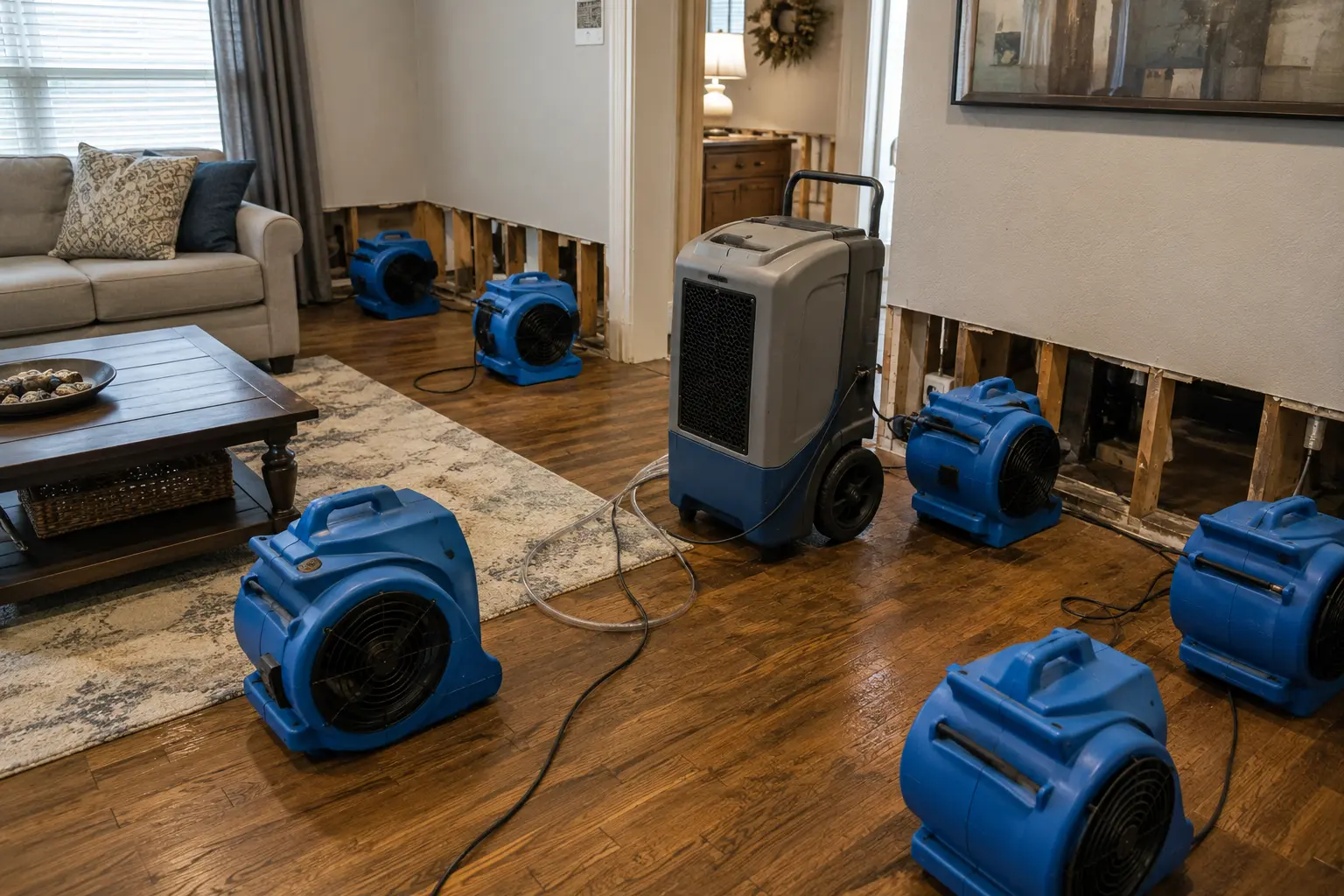
Physically, the restoration approach for flood damage and other water damage often overlaps significantly, both require extraction, drying, and rebuilding. However, flood water frequently carries more contamination risk than typical water damage sources, since it often picks up soil, debris, chemicals, and sometimes sewage as it travels across the ground before entering a property. This means flood damage restoration often needs to follow black water (Category 3) protocols regardless of how the water initially looked, requiring more extensive removal of porous materials and more aggressive sanitization than a typical clean-water plumbing leak. For more on how contamination level affects the restoration process, see our guide on flood remediation vs flood restoration.
Why This Distinction Matters Before You Ever Have a Claim
Understanding this difference is most valuable before any damage occurs, when you’re evaluating your insurance coverage. If your property has any meaningful flood risk, proximity to a hillside, low-lying location, history of street flooding nearby, relying on your standard homeowners policy alone leaves a real coverage gap for one of the more financially devastating types of property loss. Reviewing your specific flood risk and whether separate flood insurance makes sense, well before storm season, is a far better position to be in than discovering the gap exists only after water has already entered your home.
How This Distinction Affects Multi-Unit Properties Differently
In apartment buildings, condos, and other multi-unit properties, the flood vs water damage distinction adds another layer of complexity because multiple insurance policies can be involved simultaneously. If a unit owner’s water heater fails and leaks into a unit below (water damage, internal source), that’s generally a different claims scenario than heavy rain flooding the building’s garage level (flood damage, external source). In the first case, the unit owner’s policy and possibly the building’s master policy both come into play. In the second, flood insurance at the building level (if carried) is the relevant coverage. Property managers and HOA boards dealing with either type of event need to document the source clearly from the start, since misclassifying the cause can lead to delays and disputes when the wrong policy is initially contacted.
What “Surface Water” Means and Why It Matters for Claims
Surface water is a specific term in insurance and flood definitions that refers to water that has spread across the ground surface from any source and enters a property. This is distinct from, for example, a pipe inside the home bursting or a water heater leaking, even though all three result in water inside your property. Surface water entering through a ground-level door during a heavy rain, seeping through a foundation crack during a storm, or flowing in from a flooded street is typically classified as flood damage under this definition even if the water came from something as simple as a heavy rainstorm hitting a paved parking lot and flowing toward your building. Understanding this distinction helps explain why some storm-related damage claims get partially or fully denied under standard homeowners policies despite feeling like they “should be covered.”
The Contamination Difference and What It Means for Your Family
Beyond insurance, the contamination difference between flood water and typical internal water damage has real health implications worth understanding for anyone who is in or near the affected property. Flood water from outside sources frequently carries bacteria, agricultural or chemical runoff, sewage from overwhelmed municipal systems, and various other contaminants picked up as it travels across the ground. This means flood-damaged areas should be treated as contaminated environments until professional cleaning and testing confirm otherwise, with children, elderly individuals, and anyone with compromised immunity keeping a particularly safe distance from affected areas until full remediation is confirmed complete. This level of caution isn’t typically necessary for a clean-water internal leak, where the water itself is safe even though the moisture damage still requires professional mitigation.
How Los Angeles Geology and Topography Create Unique Flood Patterns
Unlike flat-terrain cities where flood risk is primarily tied to proximity to rivers or coastline, Los Angeles has a highly varied topography that creates flood and water intrusion risks specific to each property’s location. Hillside properties above the LA basin face different risks than valley-floor properties, and coastal areas face different risks than inland neighborhoods. Understanding the specific risk pattern for your property’s location helps clarify what type of water damage is most likely and therefore which insurance coverage matters most.
Properties on or near hillsides face runoff and potential mudflow risk during intense storms, particularly within several years following a wildfire that removed vegetation from the slopes above. Valley-floor properties in areas like the San Fernando Valley or LA Basin are more prone to localized flooding when storm drains overflow, since these low-lying areas naturally collect runoff from surrounding higher terrain. Coastal and near-coastal areas face occasional storm surge risk during unusual weather patterns, and also experience more chronic moisture issues simply from ambient humidity, even without a major flood event. Each of these scenarios produces water intrusion that is classified as flood damage under standard insurance definitions but has very different physical characteristics and restoration requirements depending on what the water picked up on its way to your property.
Why the Restoration Approach for Flood-Contaminated Water Is More Intensive
Beyond the insurance distinction, the physical restoration difference between flood water and clean internal water damage is worth understanding in practical terms. Clean water from a burst pipe requires extraction, drying, and rebuilding. Flood water from outside sources requires all of that plus a full contamination treatment protocol: removal of all porous materials that contacted the water regardless of apparent condition, because contamination penetrates porous surfaces even when the material looks structurally intact, thorough antimicrobial treatment of all affected structural surfaces before any rebuilding begins, air quality testing after remediation in severe cases to confirm contamination levels have been addressed, and often a longer post-work monitoring period before the space can be declared safe for normal occupancy. This is why flood damage restoration jobs consistently take longer and cost more than comparably sized clean water damage jobs, it’s not inefficiency, it’s the appropriate response to a more complex contamination situation.
How to Document the Water Source for Your Insurance Claim
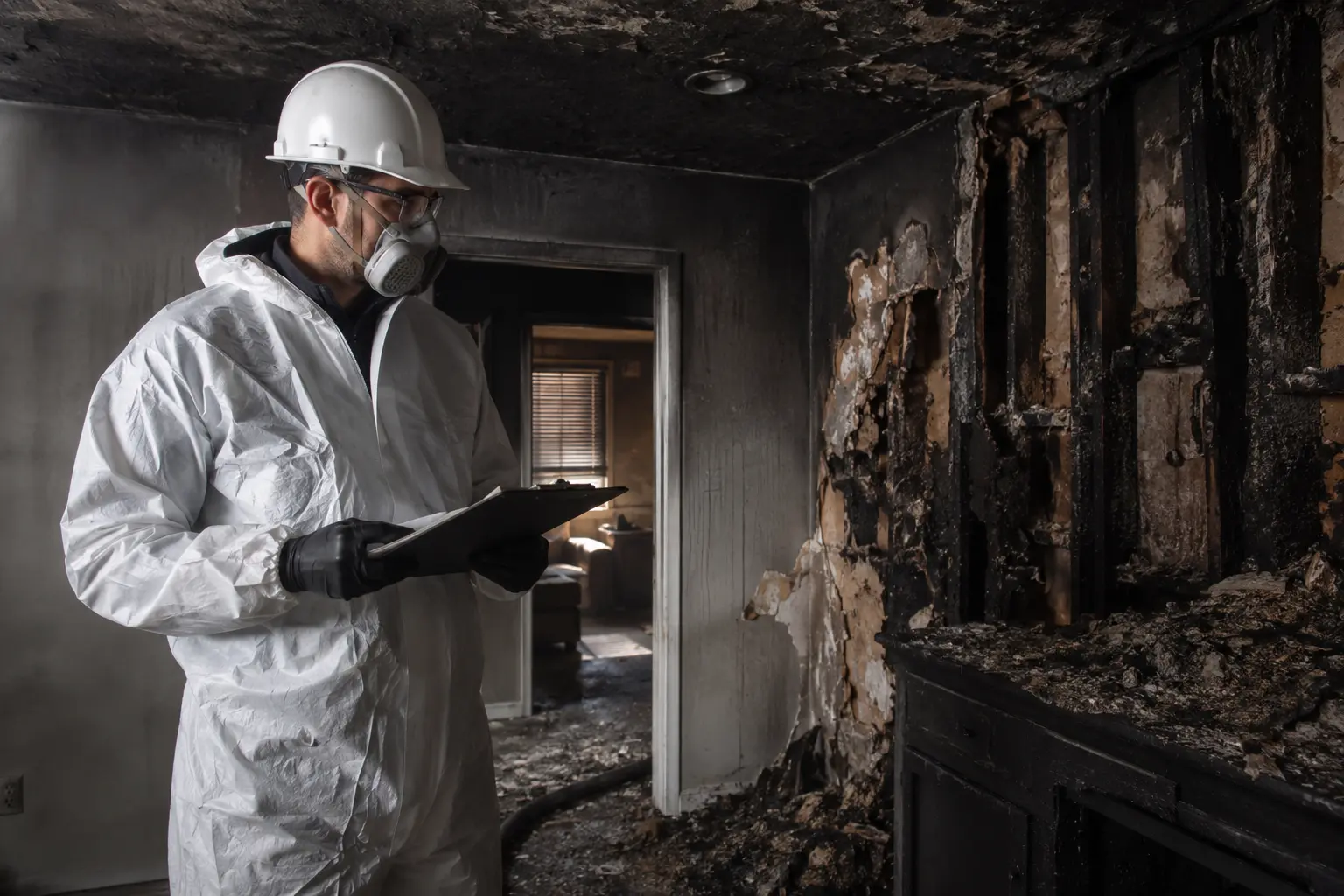
One of the most important and most overlooked steps immediately after water enters your property is documenting how and where it entered. This documentation directly supports the classification of your damage as covered water damage versus excluded flood damage, or helps establish a mixed-source situation where partial coverage may apply. Specific things worth capturing: photos or video showing the actual entry point (the burst pipe, the roof penetration, the foundation crack where water seeped in), the direction water traveled through the property, any visible source outside the property that correlates with the intrusion (standing water in the street, overflow from a neighbor’s property), and the weather or other conditions at the time of discovery. The more specifically you can document the source and pathway of water entry, the cleaner the classification discussion with your adjuster will be, rather than leaving it to the adjuster’s interpretation based on a general inspection after the fact.
Quick Reference
| Water Damage | Flood Damage |
|---|---|
| Originates from inside the property (pipes, appliances, roof) | Originates from outside, affecting a broader area |
| Generally covered by standard homeowners insurance | Generally requires separate flood insurance |
| Usually isolated to a single property | Typically affects multiple properties or a wide area |
| Often clean or gray water | Frequently contaminated, treated as black water |
If you’re unsure which category your damage falls into, our team can assess and document the source clearly, which matters both for the restoration approach and for your insurance claim. See our complete guide on water damage insurance claims in Los Angeles for more on how this documentation supports your claim.
Dealing with water or flood damage right now? Call ASAP Water Damage Restoration for a thorough assessment and emergency response, available 24/7 across Los Angeles.
Keep reading
- Flood Remediation vs Flood Restoration: What’s the Difference?
- Sewage Backup Cleanup: Health Risks and Next Steps
- Basement Flood Cleanup Checklist: Complete Recovery Guide
Need help now? See our Flood damage restoration in Los Angeles or call (323) 677-2811, 24/7.