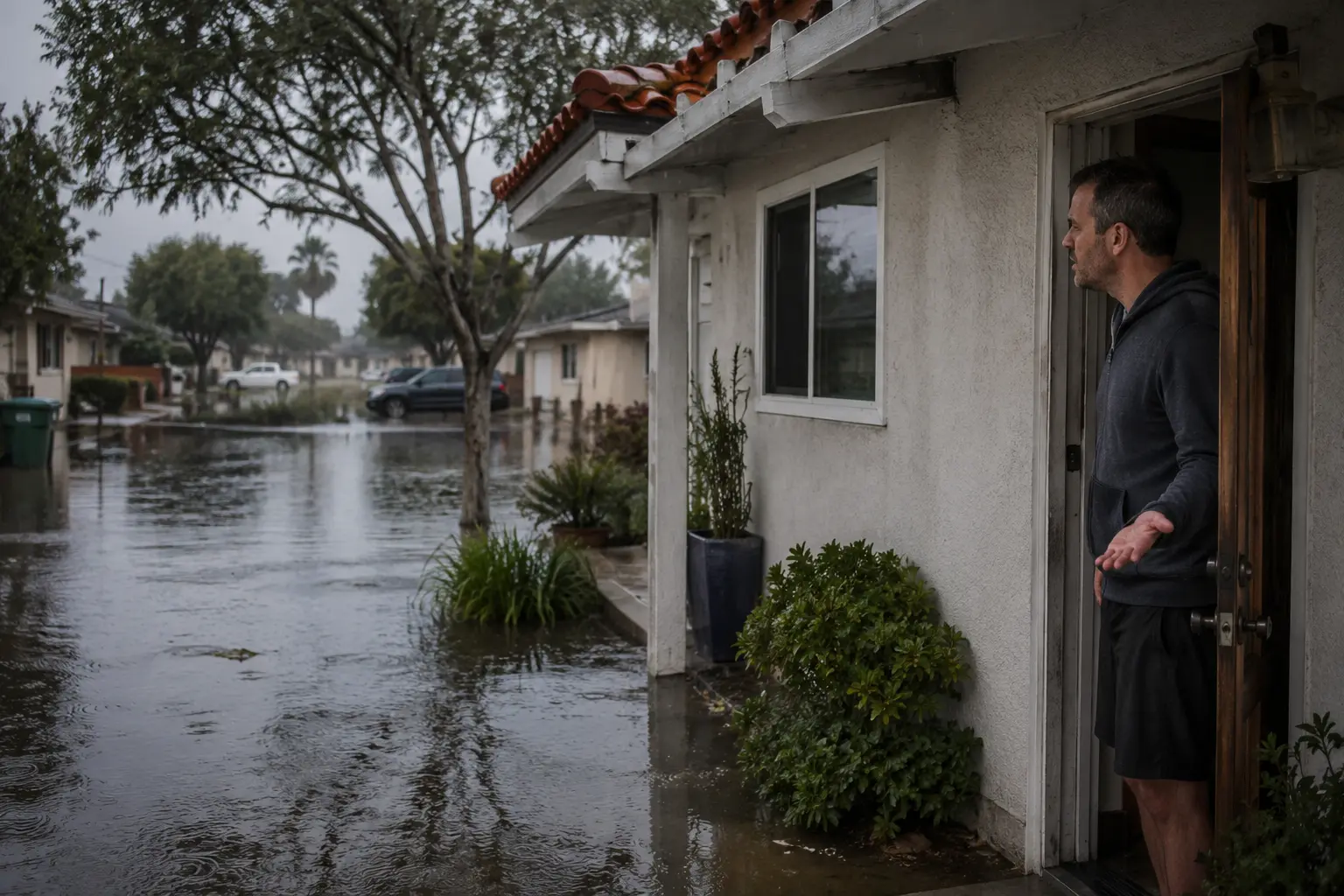
If you’ve searched for help after a flood in your Los Angeles home or business, you’ve probably seen both terms used everywhere: flood remediation and flood restoration. Most companies use them interchangeably, which makes it confusing to know exactly what you’re paying for or what stage of recovery you actually need.
They’re related, but they’re not the same thing. Understanding the difference helps you ask the right questions when you call a company, understand your invoice, and make sure nothing gets skipped between the emergency response and the final repair.
What Is Flood Remediation?
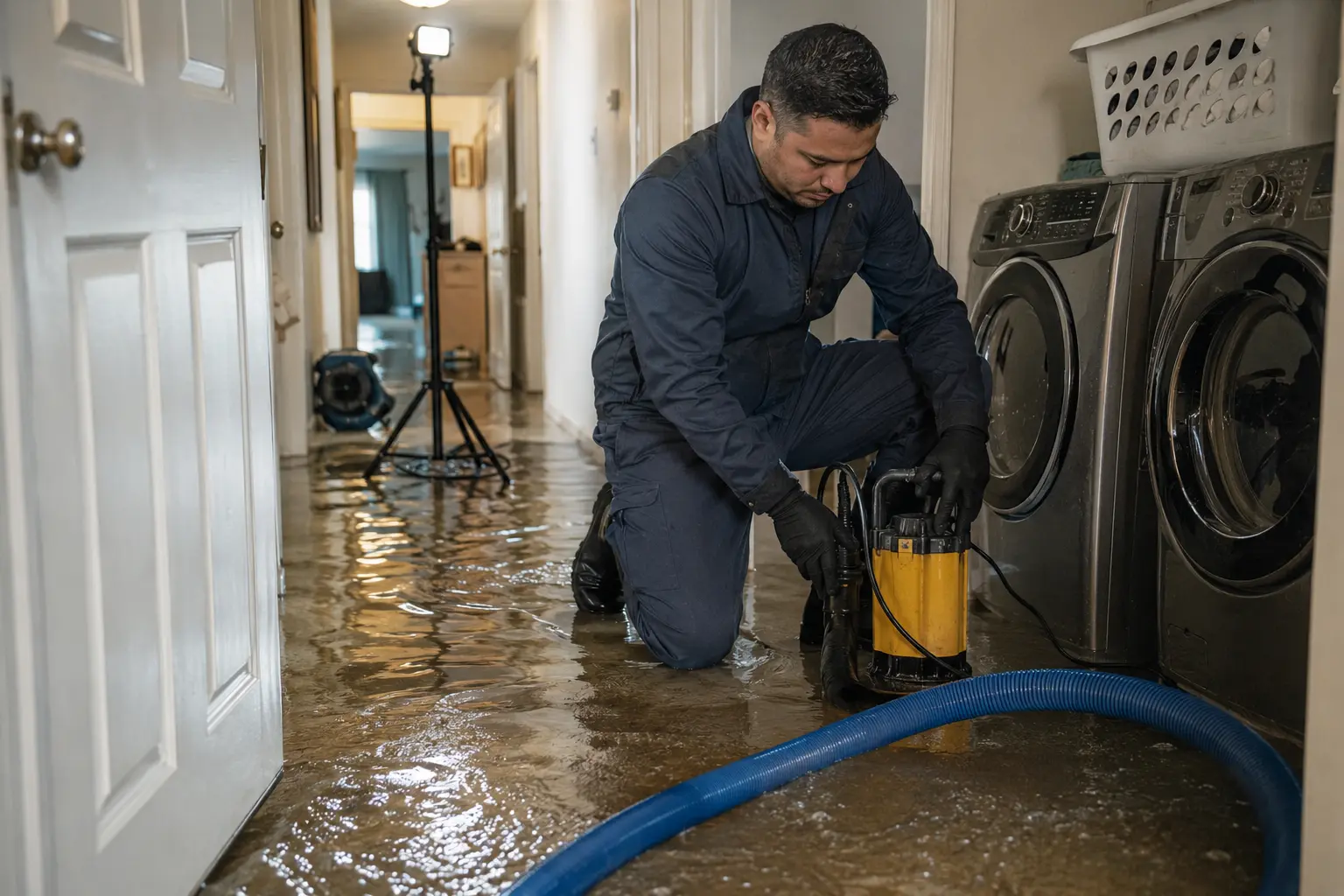
Flood remediation refers to the process of removing the source of damage and making a property safe again. This is the first phase after a flood, and it focuses on stopping ongoing harm rather than rebuilding what was lost.
Flood remediation typically includes:
- Extracting standing water from floors, carpets, and crawl spaces
- Identifying and addressing contamination, especially with black water from sewage backups or storm flooding
- Removing materials that can’t be saved, such as soaked drywall, insulation, or carpet padding
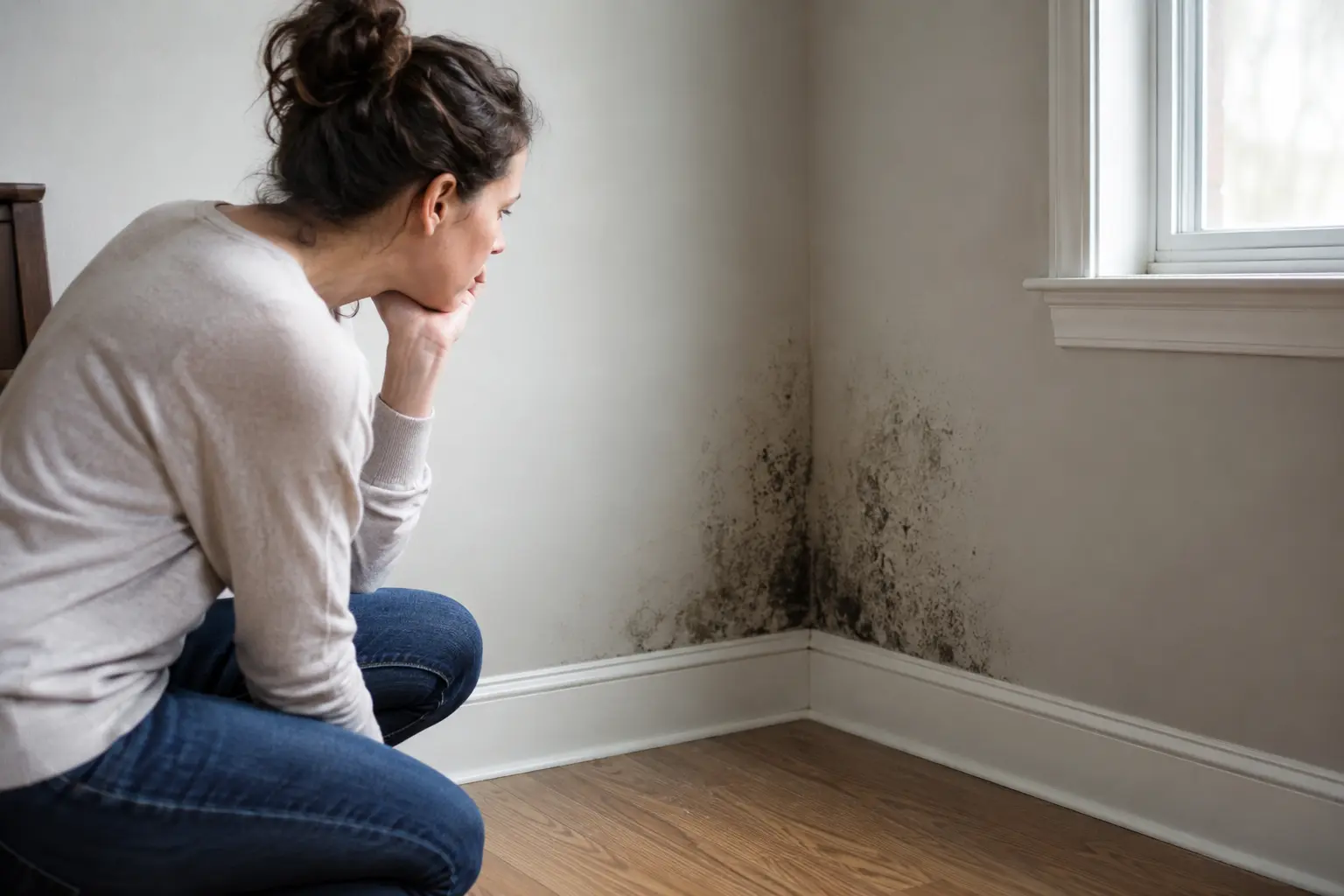
- Applying antimicrobial treatment to prevent mold growth
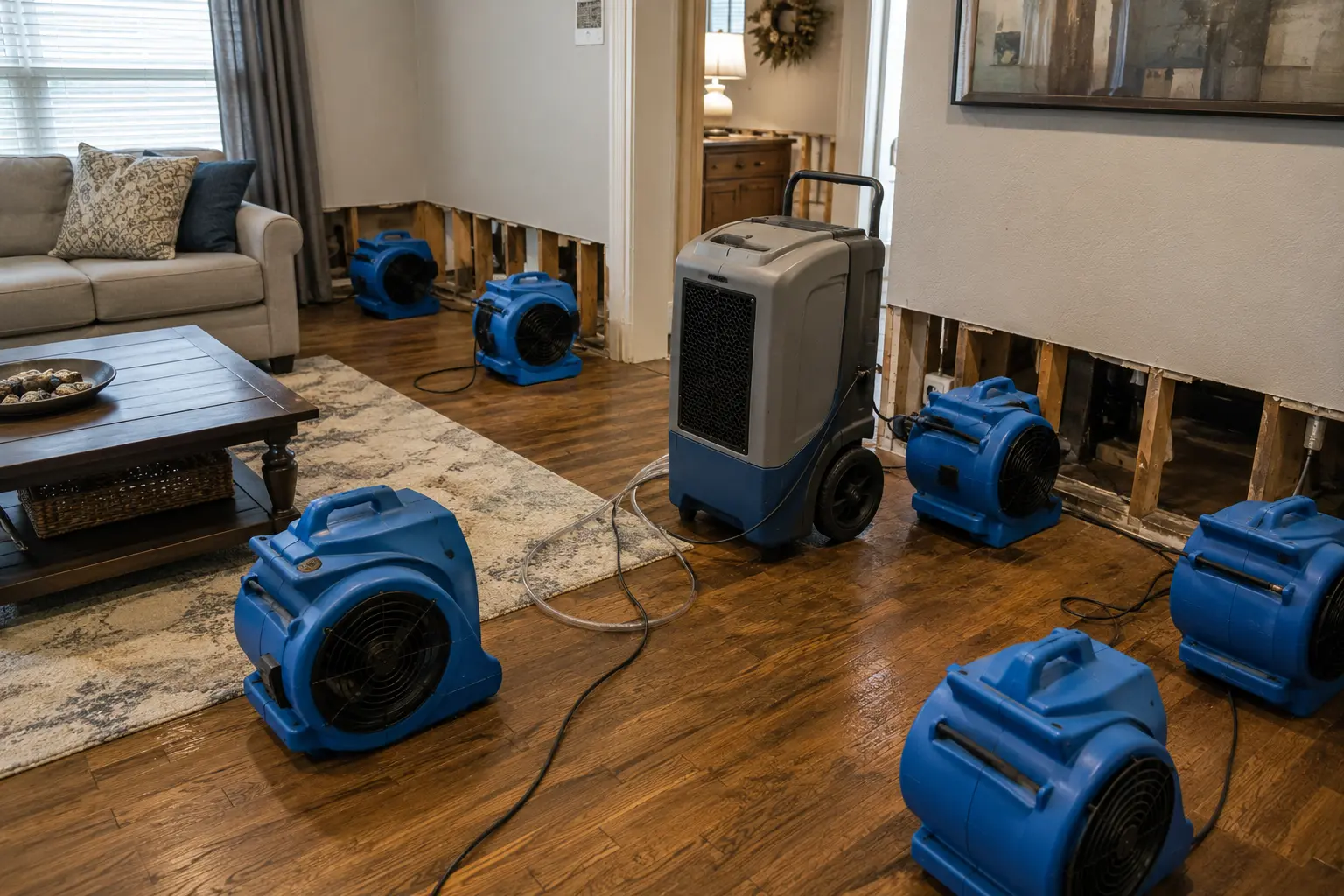
- Structural drying with industrial air movers and dehumidifiers
The goal of remediation is damage control. It answers the question: “How do we stop this from getting worse and make the space safe to work in?” If your property had a sewage backup, remediation also includes black water cleanup protocols, since contaminated water requires different handling than clean water from a burst pipe.
What Is Flood Restoration?
Flood restoration picks up where remediation leaves off. Once the property is dry, clean, and structurally safe, restoration is the rebuilding phase — repairing or replacing everything the flood damaged.
Flood restoration typically includes:
- Replacing drywall, flooring, baseboards, and trim
- Repainting walls and ceilings
- Reinstalling cabinetry, fixtures, or built-ins that were removed during remediation
- Final inspections to confirm moisture levels are safe
- Cosmetic repairs to bring the space back to its pre-flood condition
Restoration is the part most homeowners picture when they think about “fixing” flood damage, but it can’t safely happen until remediation is complete. Rebuilding over a wall that’s still wet, or a subfloor that hasn’t fully dried, just sets up a mold problem a few months down the line.
Why the Order Matters
One of the most common mistakes after a flood is rushing into repairs before the remediation phase is actually finished. Walls might look dry on the surface within a day or two, but moisture can stay trapped inside framing, subfloors, and insulation for much longer. This is why professional structural drying services use moisture meters, not guesswork, to confirm a space is truly ready for rebuilding.
If restoration work starts too early:
- New drywall and paint can trap residual moisture against framing
- Mold can develop behind finished walls where it isn’t visible until it’s a bigger problem
- Warranty issues can arise if a restoration company builds over unresolved moisture
A reputable Los Angeles restoration company will document moisture readings before moving from remediation to restoration, and that documentation also matters for your insurance claim.
Does Your Insurance Company Care About the Difference?
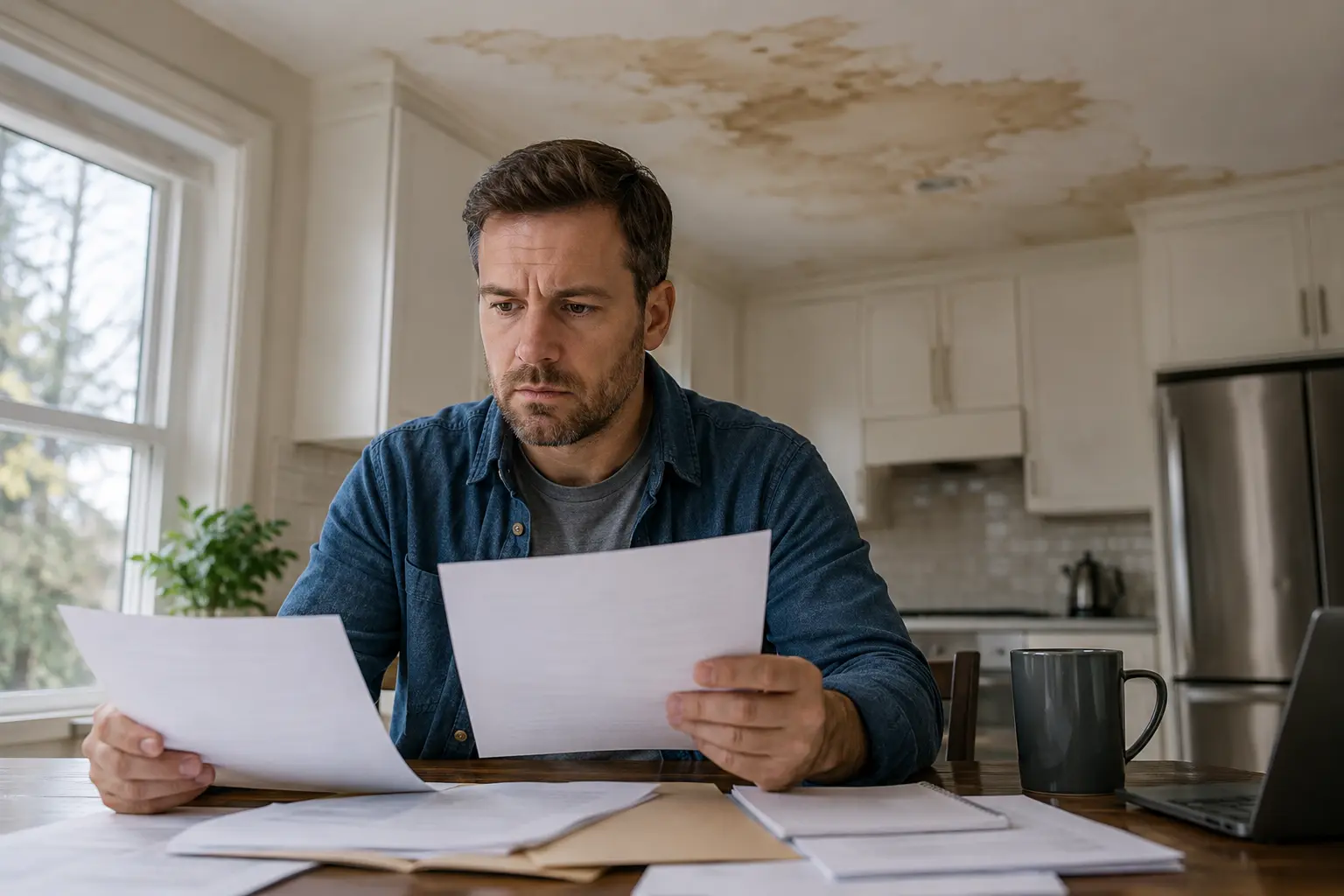
Yes. Many homeowners insurance and commercial property policies separate emergency mitigation costs from rebuild costs, and some policies have different coverage limits or deductibles for each. When you’re filing a claim, it helps to understand which invoice line items fall under remediation (water extraction, drying, antimicrobial treatment) versus restoration (drywall replacement, flooring, paint). For more on how this affects your claim, see our guide on water damage insurance claims in Los Angeles.
Do You Need Both?
In almost every flood situation, yes. Skipping remediation and going straight to cosmetic repairs is one of the most common reasons flood damage turns into a recurring mold or structural problem. A company that only offers restoration without proper remediation first is cutting a corner that usually shows up again later, often when it’s more expensive to fix.
If you’re dealing with flood damage anywhere in the Los Angeles area, the safest approach is working with a company that handles both phases under one roof, so nothing falls through the cracks between “the water is gone” and “the room looks normal again.” Our team at ASAP Water Damage Restoration Los Angeles manages the full process from emergency water extraction through final repairs — explore our complete water damage restoration services to see how the two phases work together from start to finish.
A Real-World Example: How the Two Phases Play Out
Say a pipe bursts behind a wall in a Los Angeles home while the family is away for the weekend. By the time anyone discovers it, water has spread across the living room floor, soaked into the baseboards, and started wicking up the drywall. Here’s how remediation and restoration unfold in sequence:
Hour 1-2 (Remediation begins): A technician arrives, shuts off the water source if it hasn’t already been done, and begins extracting standing water with truck-mounted vacuums. Furniture is moved or blocked with foil tabs to prevent staining the wet carpet. Baseboards are removed to allow airflow behind the wall.
Day 1-3 (Remediation continues): Industrial air movers and dehumidifiers run continuously. A technician returns daily to check moisture readings in the drywall, subfloor, and framing. If the drywall was soaked more than a couple of inches up from the floor, it’s usually cut out rather than dried in place, since wet drywall rarely dries fully without leaving the paper backing weakened or prone to mold.
Day 3-5 (Remediation completion): Moisture readings finally hit normal, dry levels throughout the affected materials. Antimicrobial treatment is applied to any exposed framing. At this point, remediation is done — the property is dry, safe, and free of active contamination risk.
Day 5 onward (Restoration begins): Now the rebuild starts. New drywall goes up, gets taped, sanded, primed, and painted. New baseboards are installed. If carpet had to be removed, new padding and carpet (or whatever flooring is being installed) goes in. A final walkthrough confirms everything matches the home’s pre-loss condition.
Notice how distinct these two phases are, both in what they involve and in the skill sets required. The technicians doing day three moisture checks aren’t necessarily the same people doing day six drywall finishing, even though both are part of the same overall recovery.
How Much Does Each Phase Typically Cost?
Costs vary significantly based on the size of the affected area, the category of water involved, and how long water sat before remediation began, but here’s a general sense of how the two phases differ in scope and pricing structure:
Remediation costs are typically based on square footage affected, equipment days (air movers and dehumidifiers are usually billed per unit per day), and labor for extraction, demolition of unsalvageable materials, and antimicrobial treatment. A contained, clean-water incident in a single room might run from a few hundred dollars into the low thousands. A larger flood affecting multiple rooms, or anything involving black water, will run significantly higher due to the contamination protocols required.
Restoration costs are essentially construction costs: drywall, paint, flooring, trim, and labor to install all of it. These costs scale with the finish quality you’re replacing. Restoring a builder-grade bathroom looks very different, cost-wise, than restoring a kitchen with custom cabinetry and high-end flooring.
Because the two phases are billed and scoped separately, it’s worth asking any company you’re considering for a breakdown that separates remediation line items from restoration line items. This also makes it much easier to compare your invoice against what your insurance adjuster approved.
Common Misconceptions About the Two Terms
“Remediation means the same thing as cleanup.” Not exactly. Cleanup is part of remediation, but remediation also includes drying, moisture verification, and microbial treatment, not just removing visible water and debris.
“If the company calls itself a ‘restoration company,’ they only do restoration.” In practice, most restoration companies, including ours, handle both phases under one name. “Restoration company” has become the industry’s general term for a business that manages flood recovery end to end, even though restoration technically refers to just the rebuild phase.
“Once it’s dry, it’s done.” Dry to the touch and dry according to a moisture meter are two different things. A wall can feel completely dry on the surface while still holding excess moisture inside the framing or insulation. This is exactly why remediation doesn’t end until moisture readings confirm it, not until things simply look or feel dry.
“Remediation and restoration always take the same amount of time.” They don’t. Remediation timelines depend heavily on how much moisture needs to be removed and how the materials respond to drying, which can range from two days to over a week for severe cases. Restoration timelines depend on the scope of rebuilding needed and contractor scheduling, and can sometimes take longer than the remediation phase itself, especially for larger spaces or custom finishes.
What to Ask Before Hiring a Company for Either Phase
- Will the same company handle both remediation and restoration, or will I need to find a second contractor?
- How do you confirm a space is fully dry before starting restoration work?
- Can you provide moisture documentation I can share with my insurance adjuster?
- What’s your estimated timeline for each phase separately?
- If mold is discovered during remediation, how does that change the scope and cost?
Getting clear answers to these questions upfront avoids a common and frustrating scenario: a remediation company finishes their part, hands you off, and the restoration contractor either has to redo assessment work or, worse, builds over a space that wasn’t actually ready.
How Insurance Adjusters Evaluate the Two Phases Differently
When an adjuster reviews a water damage claim, they’re generally looking at remediation and restoration through two different lenses, and understanding this can help you avoid disputes over your settlement.
For the remediation phase, adjusters typically look for documentation that the response was timely (since delayed response can be used to argue the homeowner failed to mitigate damage, a common policy requirement), that the scope of demolition matches the actual extent of water intrusion, and that equipment usage (air movers, dehumidifiers) aligns with industry-standard drying timelines for the size of the affected area. Adjusters sometimes push back on remediation invoices that show equipment running for what they consider an unusually long period, which is exactly why daily moisture logs matter, they provide the evidence that drying genuinely took that long rather than equipment simply being left running unnecessarily.
For the restoration phase, adjusters compare the proposed rebuild scope against the pre-loss condition of the property, often using your own photos or, if needed, a contractor’s pre-loss estimate based on comparable materials. This is where “like kind and quality” becomes a key phrase in your policy, your insurer generally has to restore your property to a similar standard, not necessarily upgrade it, unless you’ve purchased specific upgrade coverage.
What Happens If You Skip Remediation Documentation
Homeowners sometimes assume that because remediation “isn’t the visible part” of the recovery, documentation doesn’t matter as much. In practice, the opposite is true. If you ever need to sell the property, refinance, or file a future claim related to the same area, having documentation that the original water event was professionally remediated, with moisture verification, can prevent serious complications. Buyers and lenders increasingly ask about prior water damage history during real estate transactions in Los Angeles, particularly for older properties, and a clear paper trail showing proper remediation (rather than just “it got fixed”) protects your property’s value and your own liability down the line.
How Water Category Affects Both Phases
The category of water involved (clean, gray, or black) changes the scope and intensity of both remediation and restoration in ways that are worth understanding upfront, since it directly affects timeline and cost.
Category 1 (clean water), like a burst supply line or overflowing sink with no contaminants, generally allows for the fastest remediation, since materials that can be dried quickly often don’t need to be removed at all. Restoration in these cases is often limited to cosmetic touch-ups rather than full material replacement.
Category 2 (gray water), such as water from a washing machine overflow or a toilet overflow without solid waste, carries some contamination risk and typically requires more materials to be removed rather than dried in place, along with more thorough antimicrobial treatment during remediation.
Category 3 (black water), including sewage backups and floodwater from outside the home, requires the most aggressive remediation approach. Nearly all porous materials that contacted the water, carpet, padding, drywall up to the waterline, and often baseboards and lower cabinetry, need to be removed rather than cleaned, due to contamination risk. This naturally expands the restoration phase as well, since more material needs to be replaced. For more on this category specifically, see our guide on black water cleanup after sewage backup.
How to Read a Restoration Company’s Invoice
Once both phases are complete, you’ll typically receive an invoice or series of invoices that can look overwhelming at first glance. Here’s how to make sense of the structure:
- Line items labeled “mitigation” or “emergency services” belong to the remediation phase: extraction, equipment days, demolition, antimicrobial application.
- Line items labeled “build back,” “reconstruction,” or specific material names (drywall, flooring, paint) belong to the restoration phase.
- Equipment rental charges are typically billed per unit per day, so a longer drying time directly increases this portion of the bill, which is exactly why moisture documentation justifying the drying duration matters.
- Labor charges may be billed hourly or as a flat rate per task, depending on the company’s pricing structure.
If anything on the invoice doesn’t clearly map to either phase, or doesn’t match what was verbally discussed, it’s reasonable to ask for clarification before paying, especially if your insurance company is also reviewing the same invoice for claim approval.
Quick Reference
| Flood Remediation | Flood Restoration |
|---|---|
| Water extraction | Flooring replacement |
| Contamination treatment | Drywall replacement |
| Removing unsalvageable materials | Painting and finishing |
| Structural drying | Reinstalling fixtures and cabinetry |
| Antimicrobial application | Final inspection and walkthrough |
Need help right now? If you’re dealing with active flooding or recent flood damage in Los Angeles, call ASAP Water Damage Restoration for emergency remediation and full restoration services, available 24/7.