A sewage backup is one of the most dangerous and distressing water damage emergencies homeowners face. Raw sewage contains harmful bacteria, viruses, parasites, and toxic substances that create severe health risks through even brief exposure. The contaminated water damages property rapidly while posing immediate threats to occupant safety.
Los Angeles properties experience sewage backups from aging sewer infrastructure, tree root intrusions, heavy storm overload, and improper disposal of materials down drains. Understanding the serious health hazards and proper response procedures is critical for protecting your family and property.
This comprehensive guide explains sewage backup health risks, immediate safety steps, professional cleanup procedures, and prevention strategies.
Understanding Sewage Water Contamination (Category 3 Black Water)
Professional water damage restoration classifies sewage as Category 3 water, the most dangerous contamination level. This classification reflects the serious health risks from contact with raw sewage.
What Sewage Contains
Raw sewage is a toxic mixture of:
Human Waste: Fecal matter and urine containing millions of harmful microorganisms per milliliter.
Bacteria: Disease-causing bacteria including:
- E. coli (causes severe gastrointestinal illness)
- Salmonella (causes typhoid fever and food poisoning)
- Shigella (causes dysentery)
- Leptospira (causes leptospirosis)
- Campylobacter (causes severe diarrhea)
Viruses: Viral pathogens including:
- Hepatitis A (causes liver disease)
- Norovirus (causes severe vomiting and diarrhea)
- Rotavirus (particularly dangerous to children)
- Adenovirus (causes respiratory and eye infections)
Parasites: Parasitic organisms including:
- Cryptosporidium (causes severe diarrheal disease)
- Giardia (causes intestinal infection)
- Roundworms
- Hookworms
Toxic Chemicals: Depending on what enters the sewer system:
- Household cleaning products
- Industrial chemicals
- Pharmaceuticals
- Pesticides
- Heavy metals
Gases: Sewage produces toxic gases including:
- Hydrogen sulfide (poisonous, explosive)
- Methane (explosive, asphyxiant)
- Ammonia (corrosive, toxic)
- Carbon monoxide
This complex mixture of pathogens and toxins makes sewage the most hazardous water category in residential properties.
Immediate Health Risks from Sewage Exposure
Sewage contact creates various health dangers depending on exposure route:
Direct Contact Risks
Touching sewage or sewage-contaminated surfaces causes:
Skin Infections:
- Bacterial skin infections
- Fungal infections
- Chemical burns from sewage chemicals
- Rashes and dermatitis
Wound Contamination:
- Any open cut or scratch exposed to sewage can develop serious infection
- Tetanus risk from contaminated materials
- Potentially life-threatening bloodstream infections
Ingestion Risks
Swallowing even tiny amounts of sewage causes:
Gastrointestinal Illness:
- Severe diarrhea and vomiting
- Stomach cramps
- Nausea
- Fever
- Dehydration
Serious Diseases:
- Typhoid fever
- Cholera (rare in U.S. but possible)
- Hepatitis A
- Giardiasis
- Cryptosporidiosis
These illnesses range from uncomfortable to potentially life-threatening, particularly for children, elderly individuals, and those with weakened immune systems.
Inhalation Risks
Breathing sewage-contaminated air causes:
Respiratory Problems:
- Severe respiratory irritation
- Lung infections (bacterial or viral)
- Pneumonia
- Asthma attacks
- Chronic respiratory issues with prolonged exposure
Toxic Gas Exposure:
- Hydrogen sulfide poisoning (fatal at high concentrations)
- Methane asphyxiation
- Ammonia respiratory damage
Eye Contact Risks
Sewage splashing into eyes can cause:
- Severe eye infections
- Conjunctivitis (pink eye)
- Corneal damage
- Vision problems if untreated
Vulnerable Populations
Certain individuals face higher risks from sewage exposure:
Children: More likely to touch contaminated surfaces and put hands in mouths. Smaller body size means toxins affect them more severely.
Elderly: Weakened immune systems reduce ability to fight infections.
Immunocompromised Individuals: People with HIV/AIDS, cancer patients, organ transplant recipients, and those on immunosuppressive medications face life-threatening risks from sewage pathogens.
Pregnant Women: Infections can affect fetal development.
People with Respiratory Conditions: Asthma, COPD, or other lung diseases worsen significantly with sewage exposure.
These groups should never enter areas contaminated with sewage and should evacuate the property until professional cleanup is complete.
Immediate Safety Steps When Sewage Backup Occurs
If you discover a sewage backup, immediate actions protect health and safety:
1. Evacuate the Affected Area
Move everyone away from sewage-contaminated areas immediately:
- Especially remove children and pets
- Close doors to contain contamination
- Do not allow anyone to enter affected areas
- Do not attempt to clean up sewage yourself
2. Turn Off Electricity
Sewage contact with electrical systems creates electrocution risks:
If the electrical panel is accessible without entering contaminated areas:
- Shut off power to affected rooms
- Shut off main breaker if sewage is widespread
If the electrical panel is in the contaminated area:
- Do not enter
- Call a licensed electrician
- Wait for professional power shutoff
3. Contact Professional Sewage Cleanup Services
Never attempt DIY sewage cleanup. Call our 24/7 emergency sewage cleanup and black water removal services immediately at (323) 677-2811.
Professional restoration provides:
- Proper protective equipment
- Industrial extraction equipment
- Professional-grade disinfectants
- Biohazard material disposal
- Complete decontamination procedures
4. Ventilate if Safely Possible
If windows can be opened without entering contaminated areas:
- Open windows to increase air circulation
- This helps dissipate toxic gases
- Do not enter contaminated areas to open windows
5. Document the Situation
From a safe distance:
- Photograph the sewage backup source
- Document visible damage
- Note time of discovery
- Record any immediate actions taken
Do not enter contaminated areas for documentation. Safety comes first.
6. Contact Your Insurance Company
Report sewage damage immediately:
- Most policies cover sudden sewage backups
- Coverage may have limits or require endorsements
- Prompt notification is typically required
- Ask about emergency mitigation coverage
7. Identify the Backup Source
Common sewage backup sources include:
Main Sewer Line Blockage: Affects multiple drains throughout property. Professional plumber required.
Individual Drain Blockage: Affects single fixture. Still requires professional attention for sewage.
City Sewer System Backup: Water backs up from municipal system into property. Contact city utilities and professional restoration.
Septic System Failure: For properties with septic tanks. Professional septic service required.
Do not attempt to clear sewage blockages yourself. Professional plumbers have proper equipment and safety gear.
Professional Sewage Cleanup Process
Professional sewage restoration follows strict protocols to protect workers and occupants:
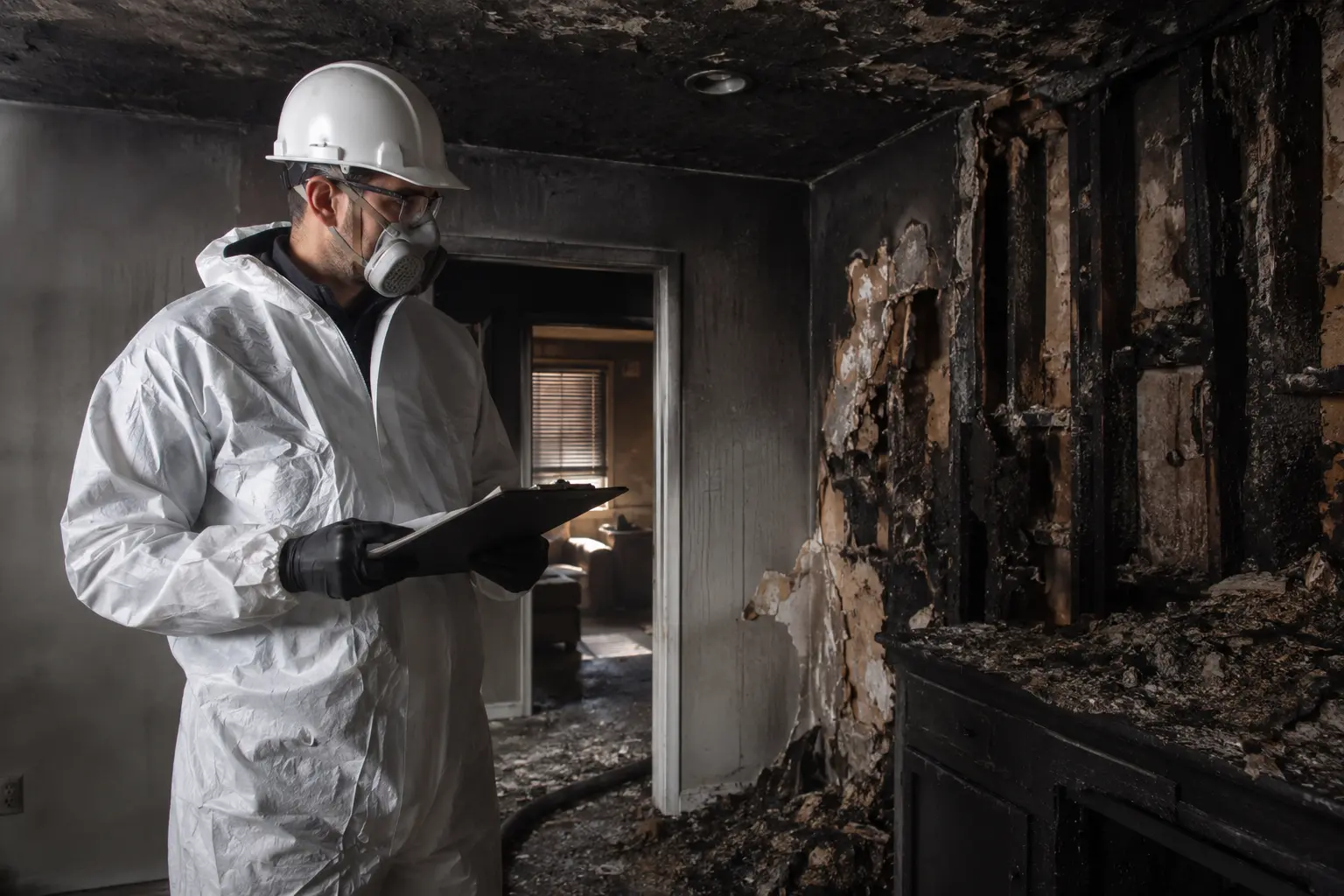
Personal Protective Equipment
Certified technicians wear:
- Full protective suits (Tyvek or similar)
- Rubber boots and gloves
- Respiratory protection (N95 or higher)
- Eye protection
- Disposable equipment properly disposed after use
No one should enter sewage-contaminated areas without complete protective gear.
Containment Procedures
Before cleanup begins:
Physical Barriers:
- Plastic sheeting seals off contaminated areas
- Prevents sewage spread to clean areas
- Protects unaffected portions of property
Negative Air Pressure:
- Industrial air filtration systems create negative pressure
- Contaminated air cannot flow into clean areas
- HEPA filtration captures airborne pathogens
Access Control:
- Only trained technicians enter work areas
- Occupants remain in uncontaminated portions or evacuate entirely
Sewage Extraction
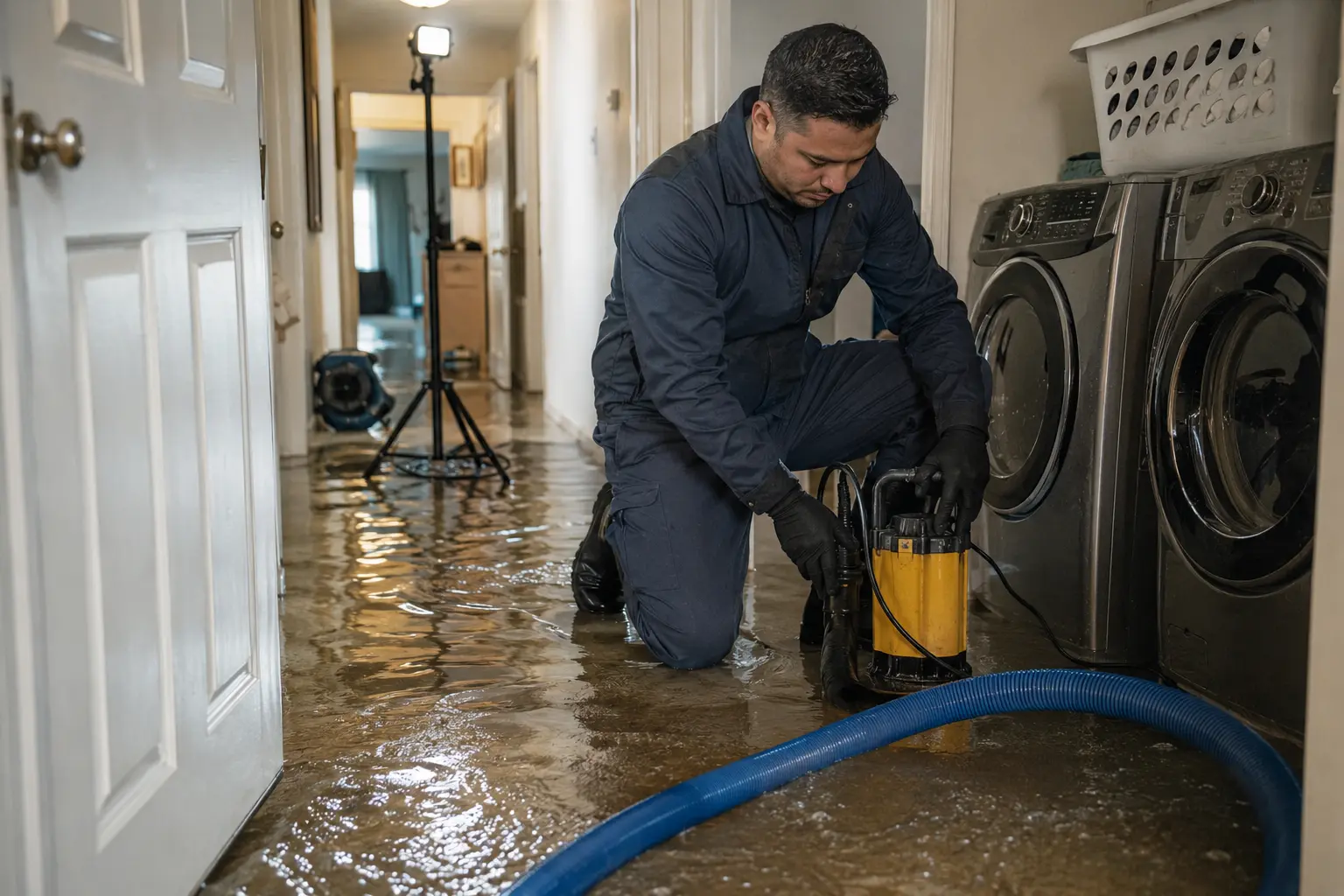
Professional equipment removes contaminated water:
Truck-Mounted Extractors: Remove thousands of gallons quickly from floors and carpets.
Submersible Pumps: Handle deep standing sewage in basements and crawlspaces.
Specialized Vacuums: Extract sewage from hard-to-reach areas.
All extracted sewage is disposed of according to environmental regulations.
Material Removal
All porous materials contacted by sewage must be removed and disposed of as biohazard waste:
Materials That Cannot Be Saved:
- Carpet and padding
- Drywall and insulation
- Upholstered furniture
- Mattresses and bedding
- Porous flooring materials
- Cardboard and paper products
- Children’s toys (except hard plastic that can be disinfected)
- Food items
- Medications and cosmetics
These materials absorb sewage and cannot be adequately disinfected. Attempting to save them creates ongoing health risks.
Potentially Salvageable After Disinfection:
- Non-porous hard surfaces
- Metal furniture
- Hard plastic items
- Sealed wood furniture
- Appliances (if professionally serviced)
Decontamination and Disinfection
All remaining surfaces undergo thorough decontamination:
Stage 1 – Debris Removal:
- Remove solid waste and large contamination
- Scrub surfaces to remove biofilm
- Rinse thoroughly
Stage 2 – Cleaning:
- Wash all surfaces with detergent solution
- Scrub with brushes and power washers
- Remove all visible contamination
Stage 3 – Disinfection:
- Apply EPA-registered disinfectants effective against sewage pathogens
- Multiple applications ensure complete coverage
- Allow proper contact time for pathogen kill
- Common disinfectants include quaternary ammonium compounds, sodium hypochlorite, or phenolic compounds
Stage 4 – Odor Control:
- Apply professional deodorization products
- Use hydroxyl generators or ozone treatment
- Address source of odors, not just mask them
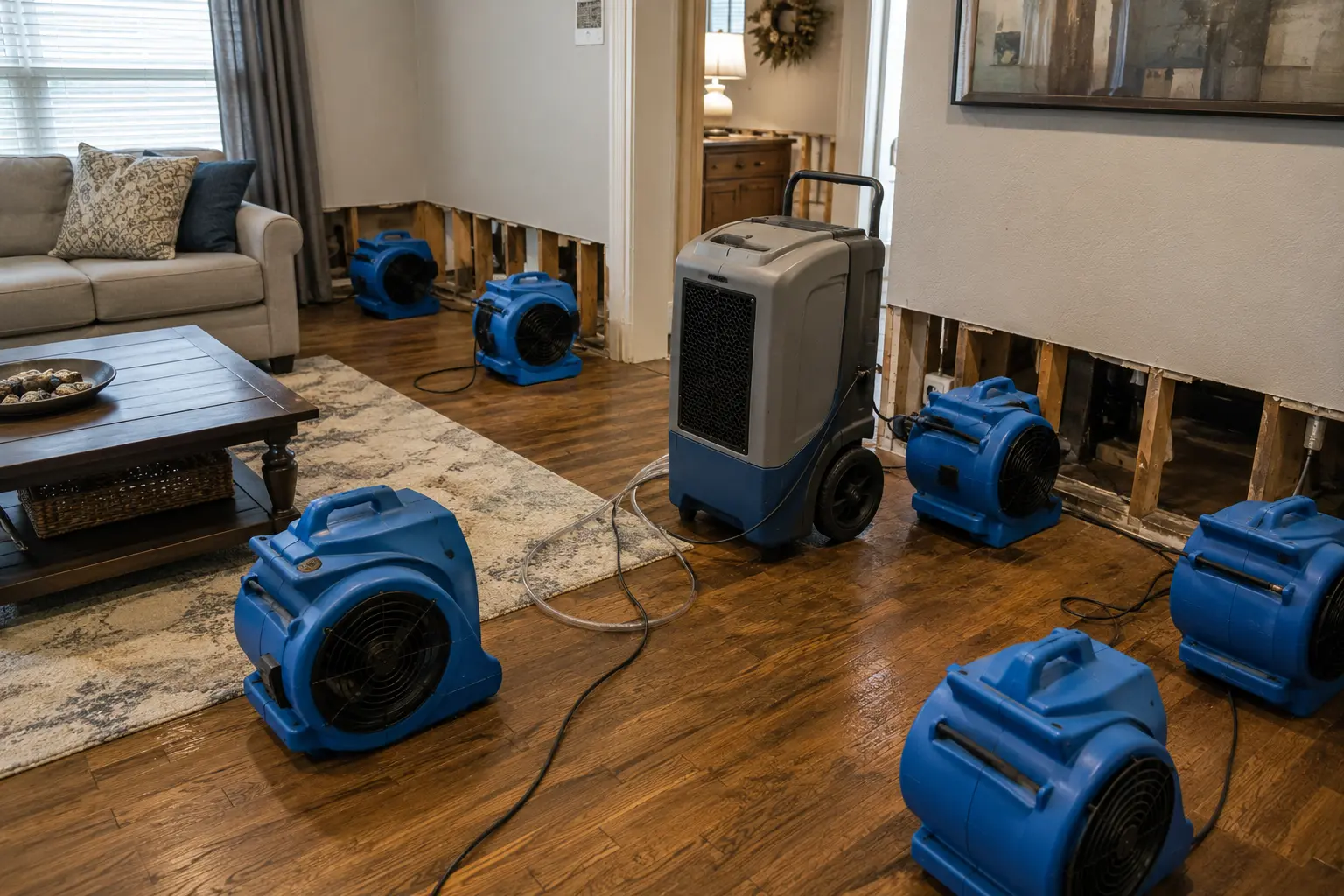
Structural Drying
After decontamination, affected areas must dry completely:
Air Movers: Create airflow across surfaces to promote evaporation.
Commercial Dehumidifiers: Remove moisture from air continuously.
Moisture Monitoring: Daily readings verify drying progress.
Complete structural drying prevents mold growth after sewage cleanup.
Final Verification
Before work is complete:
Visual Inspection: Certified technician verifies all contaminated materials removed and all surfaces cleaned.
Odor Check: No sewage odors should remain.
Moisture Verification: All structural materials reach proper moisture content.
Air Quality Testing (Optional): Can verify pathogen levels have returned to normal.
Health Symptoms After Sewage Exposure
If you or family members were exposed to sewage, watch for these symptoms:
Immediate Symptoms (Hours):
- Nausea and vomiting
- Diarrhea
- Stomach cramps
- Headache
- Fever
Short-Term Symptoms (Days):
- Respiratory problems
- Skin rashes or infections
- Eye irritation or infections
- Persistent gastrointestinal issues
Long-Term Concerns (Weeks to Months):
- Chronic respiratory problems
- Recurring infections
- Liver problems (from hepatitis exposure)
- Ongoing digestive issues
Seek Medical Attention If:
- Symptoms are severe
- Symptoms persist more than 24-48 hours
- You have a weakened immune system
- You swallowed sewage water
- You have open wounds that contacted sewage
- Breathing becomes difficult
Inform healthcare providers about sewage exposure so they can order appropriate tests and treatment.
Insurance Coverage for Sewage Backups
Standard homeowner insurance policies vary significantly in sewage coverage:
Typical Coverage Scenarios
Usually Covered:
- Sudden sewage backups from plumbing failures inside the property
- Professional cleanup and restoration costs
- Material replacement for items damaged beyond repair
Often Not Covered or Limited:
- Sewage backups from city sewer system failures (may require endorsement)
- Gradual sewage problems from poor maintenance
- Sewer line replacement outside the property
- Mold growth that develops later if cleanup was inadequate
Sewer Backup Endorsement
Many insurers offer optional sewer backup coverage:
- Adds coverage for backups from municipal systems
- Typically has lower limits than standard water damage
- May cost $40-$80 annually
- Highly recommended for Los Angeles properties with older sewer connections
Maximizing Your Claim
To ensure appropriate coverage:
Document Thoroughly:
- Photos and videos before cleanup
- Professional estimates and invoices
- Lists of all damaged items
- Medical bills if anyone became ill
Report Promptly:
- Notify insurer within 24 hours
- Delays can affect coverage
- Emergency mitigation is typically covered
Professional Restoration:
- Insurance companies prefer certified restoration contractors
- Professional documentation supports claims
- Proper procedures protect policy coverage
We provide detailed documentation and work directly with insurance adjusters to support your claim.
Common Sewage Backup Causes in Los Angeles
Understanding causes helps with prevention:
Tree Root Intrusion
Los Angeles’s many mature trees send roots seeking water. Roots penetrate sewer lines through:
- Joints between pipe sections
- Small cracks in aging clay pipes
- Improperly sealed connections
Once inside, roots grow rapidly and create complete blockages.
Prevention:
- Annual sewer camera inspections
- Root treatment in lines near large trees
- Sewer line replacement if severely damaged
Aging Sewer Infrastructure
Many Los Angeles neighborhoods have:
- Original clay pipes from 1920s-1950s
- Orangeburg pipes that deteriorate over time
- Connections that have shifted over decades
These aging systems become increasingly prone to backups.
Prevention:
- Professional sewer line inspection every 3-5 years
- Proactive replacement before failure
- Installation of backwater valves
Improper Disposal
Flushing or draining inappropriate items causes blockages:
- “Flushable” wipes (don’t actually break down)
- Grease and fats from kitchen drains
- Feminine hygiene products
- Paper towels
- Dental floss
- Cotton swabs
- Medications
Prevention:
- Only flush toilet paper
- Dispose of grease in trash, never drains
- Install drain screens
- Educate household members
Heavy Storm Overload
Los Angeles storms can overwhelm sewer systems:
- Combined sewer systems mix stormwater and sewage
- Heavy rainfall exceeds system capacity
- Sewage backs up into lowest property connections
Prevention:
- Install backwater valve to prevent backflow
- Disconnect downspouts from sewer connections
- Ensure yard drainage directs away from sewer lines
Municipal Sewer Problems
City sewer line issues affect entire neighborhoods:
- Main line blockages
- System failures during storms
- Construction-related disruptions
Prevention:
- Install backwater valve (most effective prevention)
- Know city emergency contact information
- Document when backups occur during city system problems
Sewage Backup Prevention Strategies
Proactive measures reduce sewage backup risk significantly:
Install Backwater Valve
A backwater valve prevents sewage from flowing backward into your property:
- Installs in main sewer line
- Automatically closes when sewage flows backward
- Allows normal drainage when system operates properly
- Costs $1,000-$3,000 installed but prevents $10,000+ cleanup costs
Highly recommended for:
- Properties in low-lying areas
- Homes with basement fixtures
- Properties in areas with frequent backups
- Older neighborhoods with aging infrastructure
Regular Sewer Line Maintenance
Annual Inspections:
- Camera inspection shows line condition
- Identifies developing problems before failures
- Costs $200-$400 but prevents expensive emergencies
Preventative Cleaning:
- Professional hydro-jetting clears buildup
- Root treatment controls tree intrusion
- Schedule every 2-3 years or as needed
Proper Disposal Habits
Never Flush:
- Wipes (even “flushable” ones)
- Feminine products
- Paper towels
- Cotton products
- Dental floss
- Medications
- Grease or fats
Kitchen Practices:
- Scrape plates before washing
- Use drain screens
- Dispose of grease in trash
- Run cold water when using disposal
Upgrade Aging Systems
If your property has:
- Clay pipes over 50 years old
- Orangeburg pipes
- Frequent small backups
- Slow-draining fixtures
Consider proactive sewer line replacement. Modern PVC or ABS pipes last 50-100 years and resist root intrusion.
Los Angeles-Specific Considerations**
Los Angeles properties face unique sewage backup factors:
Seismic Activity: Earthquakes can shift sewer pipes and create cracks or disconnections. Post-earthquake sewer inspections are recommended.
Mature Landscaping: Older neighborhoods with large trees face higher root intrusion risk.
Aging Infrastructure: Many areas have original sewer systems 60-100+ years old approaching end of service life.
Flash Flooding: While infrequent, heavy storms can quickly overwhelm systems in low-lying areas.
Water Conservation: Reduced water use city-wide means less flow to keep sewer lines clear, potentially increasing blockage risk.
When to Call Emergency Services
Contact emergency services if:
Immediate Health Danger:
- Anyone showing severe illness symptoms
- Strong toxic gas odors
- Breathing difficulty
- Loss of consciousness
Electrical Hazards:
- Sewage contacts electrical systems
- Sparking or electrical odors
- Unsafe to shut off power
Structural Concerns:
- Major sewage flooding
- Foundation damage
- Structural instability
Contact ASAP Water Damage Restoration Los Angeles
Sewage backups create serious health emergencies requiring immediate professional response. Never attempt DIY sewage cleanup. The health risks are too severe, and proper decontamination requires specialized equipment, training, and EPA-registered disinfectants.
Our IICRC-certified team provides comprehensive sewage cleanup and black water removal services throughout Los Angeles. We respond 24/7 with full protective equipment, industrial extraction systems, and professional decontamination procedures.
Call (323) 677-2811 immediately if you discover a sewage backup.
We serve residential and commercial properties throughout Los Angeles. Our emergency response protects your health, decontaminates your property, and restores your home to safe, livable condition.
When sewage backup occurs, your family’s health and safety depend on proper professional response. Contact us now for emergency sewage cleanup services.
Keep reading
- Basement Flood Cleanup Checklist: Complete Recovery Guide
- Flood Damage vs Water Damage: Are They the Same?
- Flood Remediation vs Flood Restoration: What’s the Difference?
Need help now? See our Flood damage restoration in Los Angeles or call (323) 677-2811, 24/7.