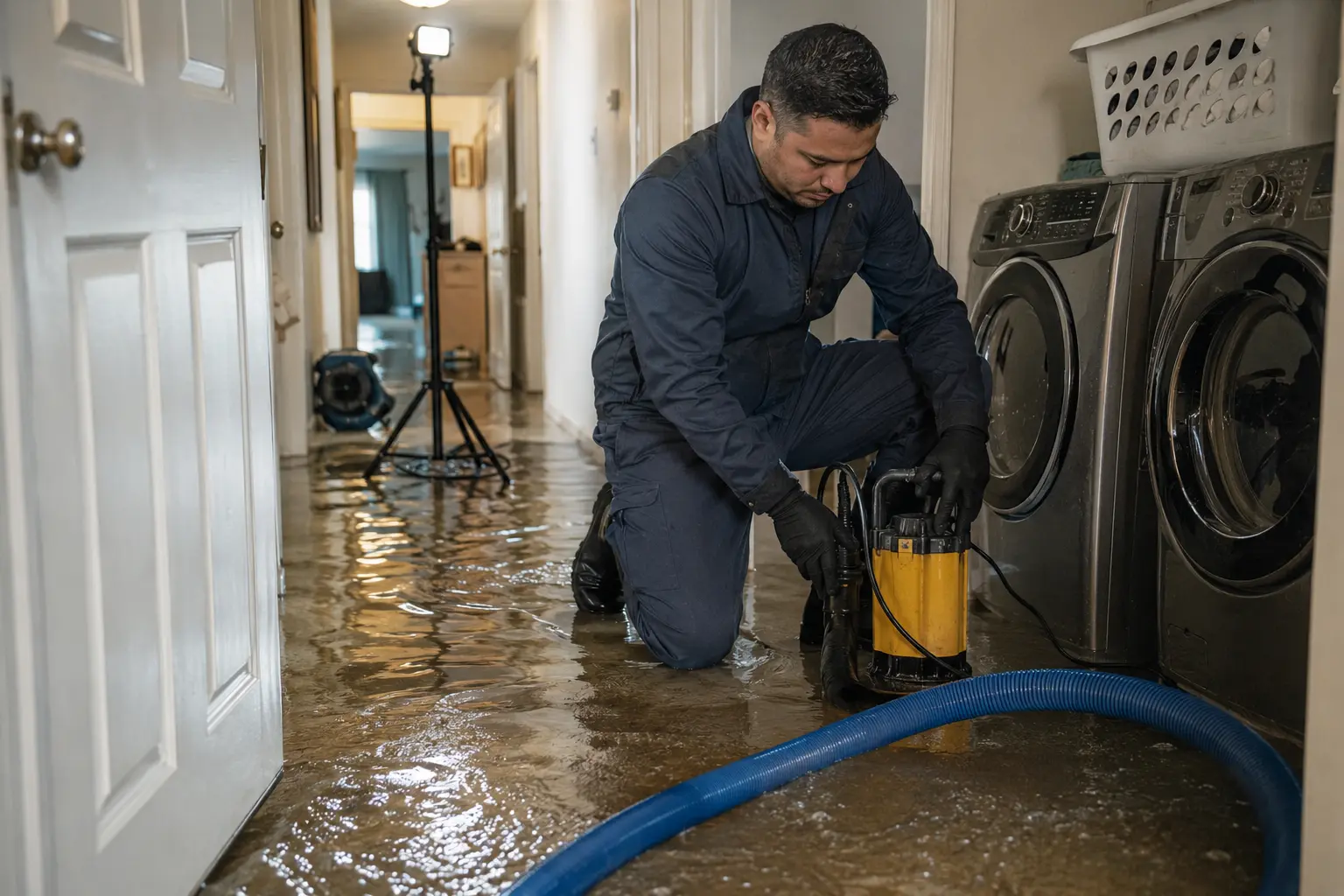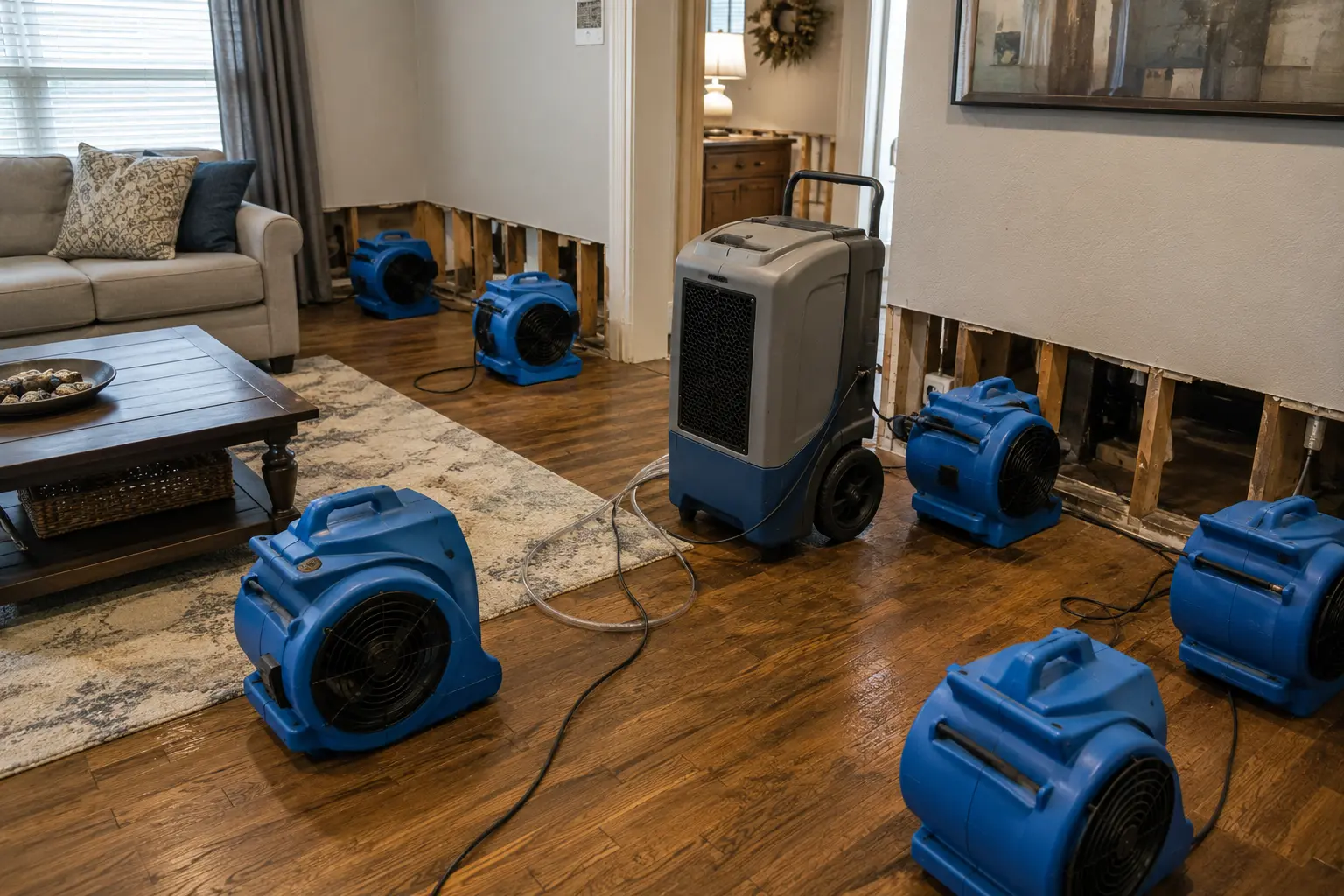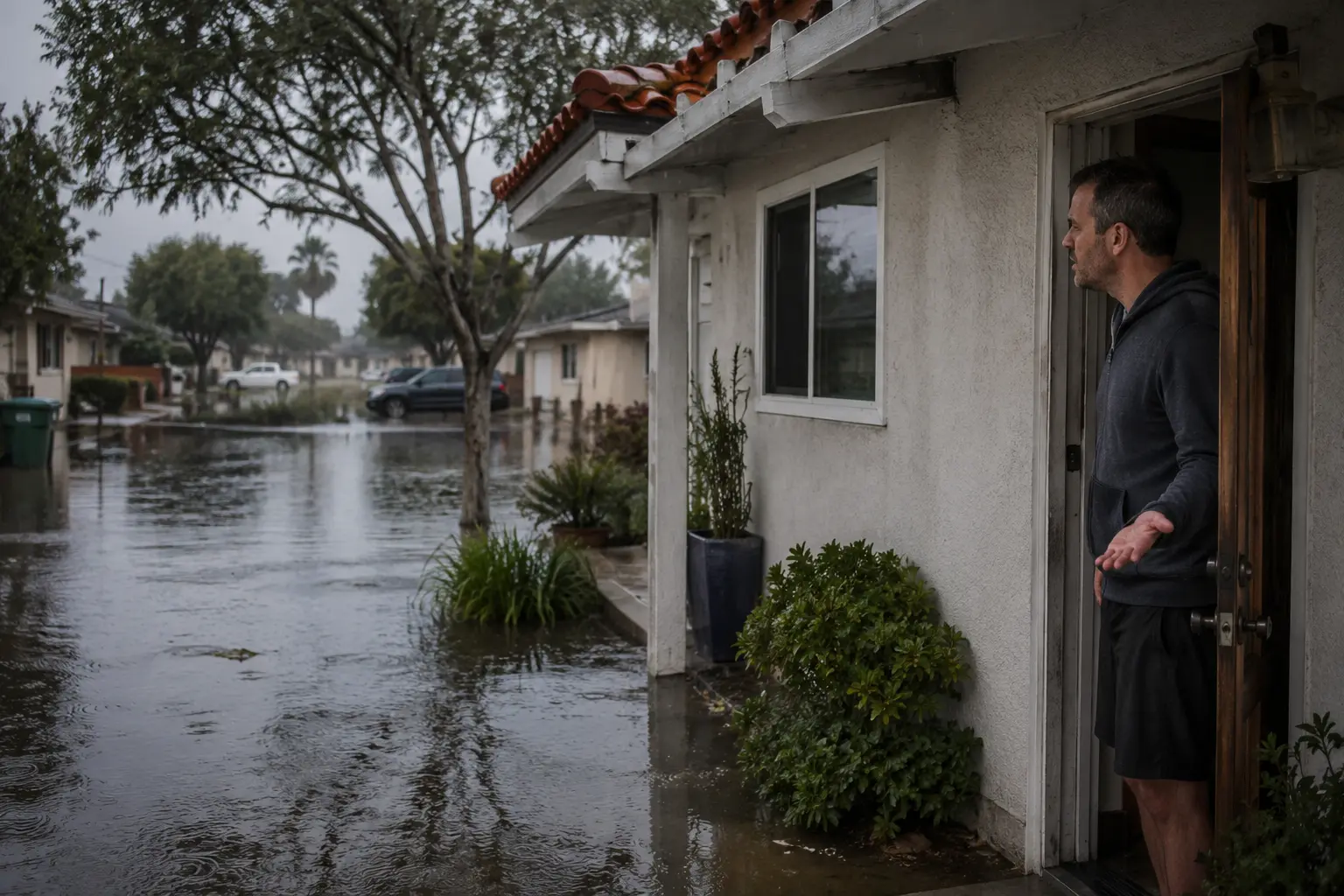
This is one of the most common and most misunderstood questions in property insurance, and the honest answer is: usually not, at least not under a standard homeowners policy. Flood damage is treated very differently from other types of water damage, and understanding why matters before you’re standing in a flooded living room trying to figure out what’s covered.
Why Standard Homeowners Insurance Excludes Flooding
Most standard homeowners and renters insurance policies specifically exclude damage caused by flooding, defined generally as water entering your property from an external source like rising rivers, overflowing storm drains, or general surface water accumulation during heavy rain. This exclusion exists because flood risk is geographically concentrated and potentially catastrophic in scale, insurers manage this risk separately through the National Flood Insurance Program (NFIP) or private flood insurance, rather than bundling it into standard homeowners coverage.
This means if storm water surrounds your home and seeps in through doors, foundation cracks, or window wells, that’s typically considered flood damage and excluded from a standard policy, even though the end result, water inside your home, looks similar to other types of covered water damage.
What Standard Insurance Does Typically Cover
To understand what’s excluded, it helps to understand what is generally covered under a standard homeowners policy:
- Burst or frozen pipes (sudden and accidental)
- Appliance failures, like a washing machine or water heater that suddenly leaks or bursts
- Roof leaks from storm damage, such as wind damage that allows rain to enter (though gradual roof deterioration is often excluded, covered in more detail in our guide on water damage not covered by insurance)
- Accidental overflow from a toilet, tub, or sink (in many but not all policies)
The common thread is that covered water damage is generally water coming from inside your home’s own systems, not water entering from the outside environment.
Do You Need Separate Flood Insurance?
Whether you need flood insurance depends on more than just whether you live in a designated flood zone. FEMA flood maps categorize areas by flood risk, and properties in high-risk zones (often required to carry flood insurance if they have a federally backed mortgage) clearly need coverage. But a meaningful share of flood damage claims nationally come from properties outside these high-risk zones, since flood maps are based on historical data and don’t always account for newer development, changing drainage patterns, or unusually intense storm events.
In Los Angeles specifically, certain areas are more prone to flash flooding during intense winter storms due to hillside runoff, aging storm drain infrastructure, or proximity to the LA River and its tributaries. If your property is near a hillside, in a low-lying area, or has experienced any street flooding nearby in the past, it’s worth seriously evaluating flood insurance even if you’re not in an officially mapped high-risk zone.
How Flood Insurance Works Differently
Flood insurance policies, whether through the NFIP or a private insurer, typically cover the structure of your home and, with a separate contents coverage component, your belongings, up to specified limits. There’s usually a waiting period (often 30 days) after purchasing a new flood policy before coverage takes effect, which means flood insurance isn’t something you can purchase the day before a forecasted storm and expect to be covered. This is exactly why evaluating your flood risk before storm season, not during it, matters.
How Flood Zone Designations Actually Work
FEMA flood maps divide areas into zones based on calculated flood risk, generally summarized as high-risk zones (often labeled with an “A” or “V” prefix, where flood insurance is typically required for federally backed mortgages), moderate-to-low-risk zones (often labeled “B,” “C,” or “X”), where flood insurance is optional but still available and often relatively affordable given the lower assessed risk. These maps are periodically updated, and a property’s designation can change over time as drainage infrastructure, development patterns, or climate data evolve. It’s worth checking your specific address against the current FEMA flood map rather than assuming your zone designation from years ago, or from when you purchased the property, is still accurate today.
Why Flash Flooding Is a Distinct Risk in Parts of Los Angeles
Unlike slow-developing river flooding common in other parts of the country, Los Angeles flooding is often flash flooding, rapid water accumulation during intense, short-duration storms, particularly in areas near hillsides or with significant impervious surface coverage (pavement and roofing that prevents water absorption into soil). Areas downhill from recent wildfire burn scars carry an elevated flash flood and mudflow risk for several years after a fire, since burned vegetation no longer holds soil in place the way healthy vegetation does. If your property is in or near a recent burn area, it’s worth specifically discussing this elevated risk with an insurance professional, since standard flood risk assessments don’t always immediately reflect post-fire conditions.
What Private Flood Insurance Offers Beyond NFIP Coverage
The National Flood Insurance Program has coverage limits that may not be sufficient for higher-value properties, commonly capped well below the full replacement cost of many Los Angeles homes. Private flood insurance, offered by a growing number of insurers, can sometimes provide higher coverage limits, broader definitions of covered water sources, and sometimes faster claims processing than NFIP policies, though terms vary significantly between providers. Comparing both options, rather than assuming NFIP is the only choice, is worth doing when evaluating flood coverage for a higher-value property.
How Climate Patterns Are Changing Flood Risk Assessments
Historical flood maps are built primarily on past weather and rainfall data, but insurers and risk modelers increasingly factor in trends toward more intense, less predictable storm patterns when assessing future flood risk, even in areas with a historically low flood designation. For Los Angeles specifically, this means properties that have never flooded before, and aren’t in a high-risk zone according to older map data, may carry more real-world risk than their official designation suggests, particularly properties near recently developed areas where natural drainage patterns have been altered, or near hillsides where vegetation loss from wildfires has increased runoff and erosion risk for several years following a fire. This is a reasonable factor to bring up directly with an insurance agent when evaluating whether flood coverage makes sense, rather than relying solely on the official flood zone designation.
What Mortgage Lenders Require vs What’s Actually a Good Idea
It’s worth separating two different questions that often get conflated: what your mortgage lender legally requires, and what level of coverage genuinely protects your financial interests. Lenders generally only require flood insurance for properties in officially designated high-risk zones, since that requirement is tied to federal regulations governing federally backed loans, not a broader risk assessment of your specific situation. A property just outside a designated high-risk zone, sometimes literally on the other side of a boundary line, may carry meaningfully similar real-world flood risk to a property just inside that zone, despite very different insurance requirements. Treating the lender’s requirement as the ceiling of what’s worth considering, rather than the floor, leads many homeowners to skip coverage that would have been genuinely worthwhile based on their actual exposure.
How Federal Disaster Declarations Affect Flood Recovery Options
When a major flood event leads to a federal disaster declaration for the affected county, additional resources sometimes become available beyond standard insurance, including FEMA individual assistance grants (generally intended to cover basic needs and uninsured losses, not a full replacement of insurance coverage), low-interest disaster loans through the Small Business Administration (available to homeowners as well as businesses despite the agency’s name), and sometimes state-level assistance programs specific to California. These programs typically supplement rather than replace insurance, and FEMA assistance in particular usually requires that you’ve already filed a claim with any insurance you do have, since federal assistance generally isn’t intended to duplicate coverage you’re otherwise entitled to. Checking FEMA’s disaster declaration status for your county after a major flood event is worth doing even if you’re unsure whether you’ll qualify for anything, since the application process itself helps establish a documented record of your loss regardless of the outcome.
What Mitigation Steps Can Lower Your Flood Insurance Premium
For properties that do carry flood insurance, certain physical mitigation measures can sometimes reduce premiums, including elevating mechanical systems (water heaters, HVAC units, electrical panels) above expected flood levels, installing flood vents in crawl spaces to allow water to flow through rather than building up structural pressure against foundation walls, and maintaining an elevation certificate that documents your property’s specific elevation relative to the base flood elevation in your zone. These steps are worth discussing directly with your flood insurance provider, since the specific premium impact of each measure varies and not every property will see meaningful savings from every option.
What to Do Immediately After a Flood, Regardless of Coverage
- Prioritize safety first, including shutting off electricity to flooded areas if it’s safe to do so, and avoiding contact with floodwater, which often carries contaminants regardless of its original source
- Document everything with photos and video before any cleanup begins, including water levels, affected belongings, and structural damage
- Begin mitigation as soon as it’s safe, since waiting too long increases both the physical damage and the risk of a “failure to mitigate” issue with any applicable coverage. See our guide on flood remediation vs flood restoration for what this process actually involves
- Contact your insurance company even if you’re unsure whether flooding is covered, since they can confirm what does and doesn’t apply to your specific policy and any endorsements you may have
- Keep all receipts related to emergency repairs, temporary housing, or mitigation services, since these may be reimbursable even under a standard policy if any portion of the damage is determined to be from a covered source rather than pure flooding
What If Your Water Damage Is a Mix of Covered and Excluded Causes?
Sometimes a single storm event causes damage from multiple sources, wind-driven rain entering through a damaged roof (potentially covered) combined with street flooding seeping in through the foundation (typically excluded as flood damage). In these mixed situations, a thorough, well-documented assessment that clearly separates the different water sources and their entry points can make a meaningful difference in how much of your claim gets approved. This is one of the more complex situations where working with an experienced restoration company that documents damage thoroughly, and potentially a public adjuster, becomes valuable. See our comparison of a public adjuster vs a restoration company for guidance on which professional handles which part of this process.
Quick Reference
| Typically Covered (Standard Policy) | Typically Requires Flood Insurance |
|---|---|
| Burst or frozen pipes | Rising rivers or overflowing creeks |
| Sudden appliance failure | Storm surge or coastal flooding |
| Wind-driven rain through storm damage | Surface water and runoff entering the home |
| Accidental toilet or tub overflow | Overwhelmed storm drains causing street flooding into the home |
For a broader look at how the claims process works once damage is documented, see our complete guide on water damage insurance claims in Los Angeles.
Dealing with flood damage right now? Call ASAP Water Damage Restoration for emergency extraction and thorough documentation to support your insurance claim, available 24/7 across Los Angeles.