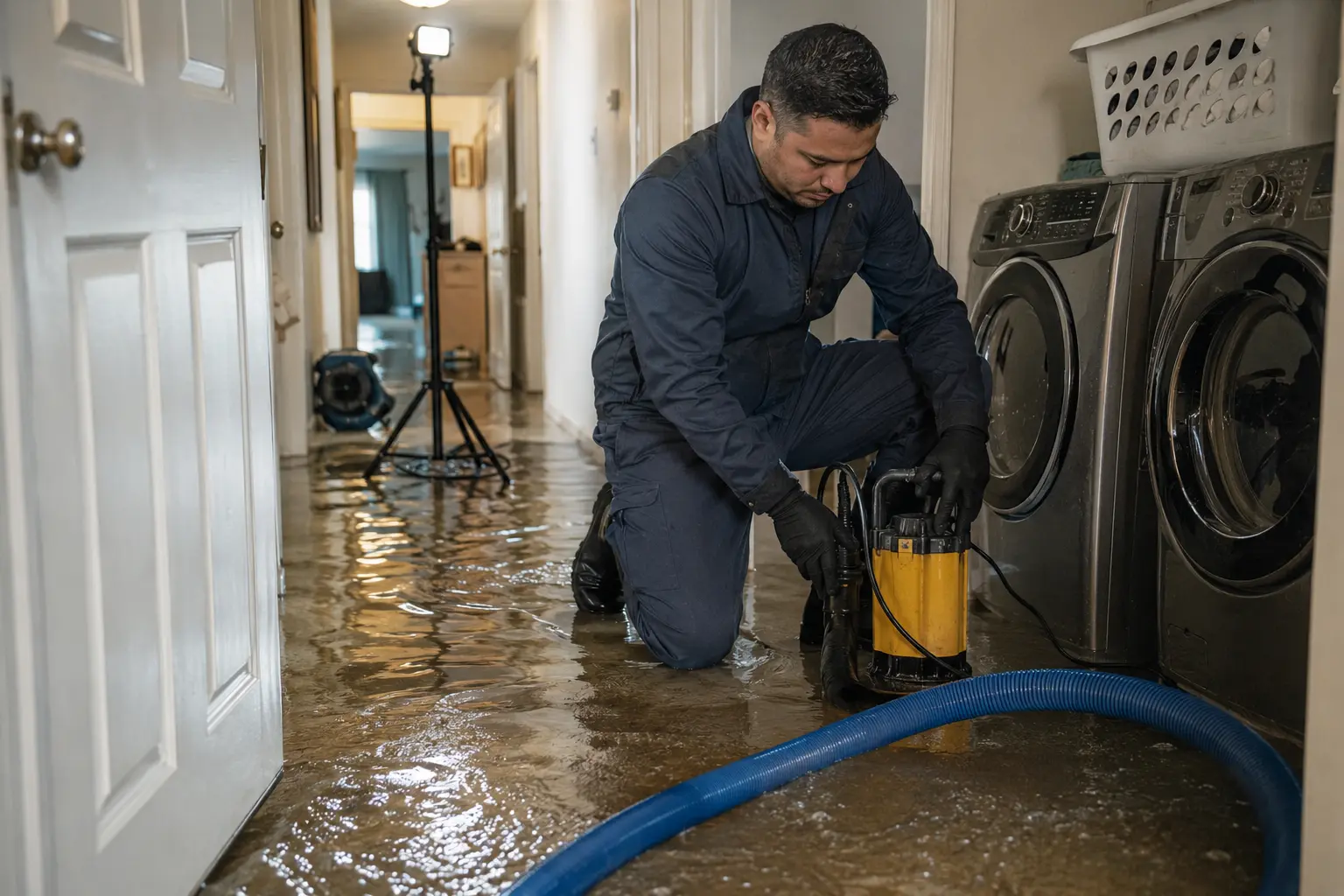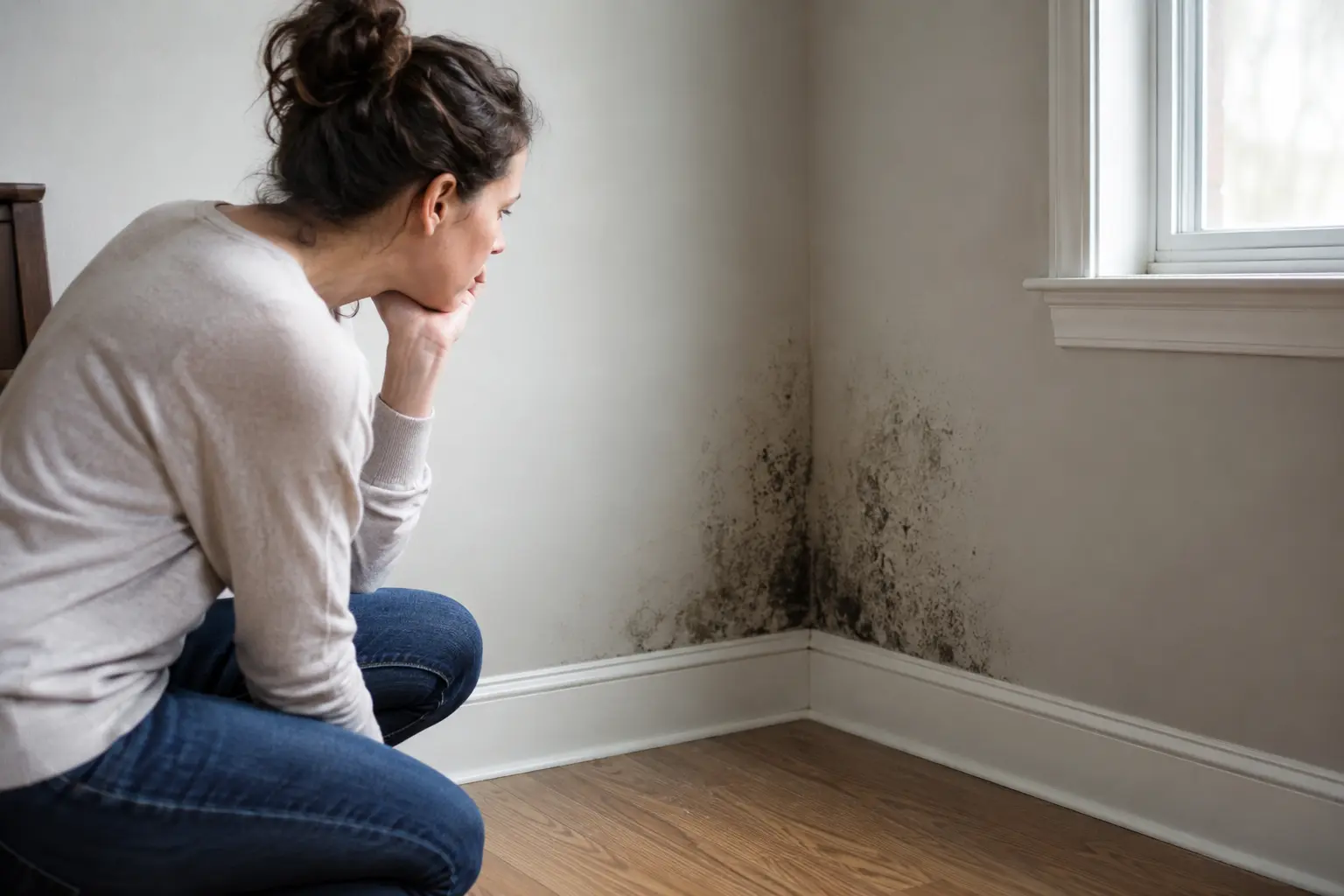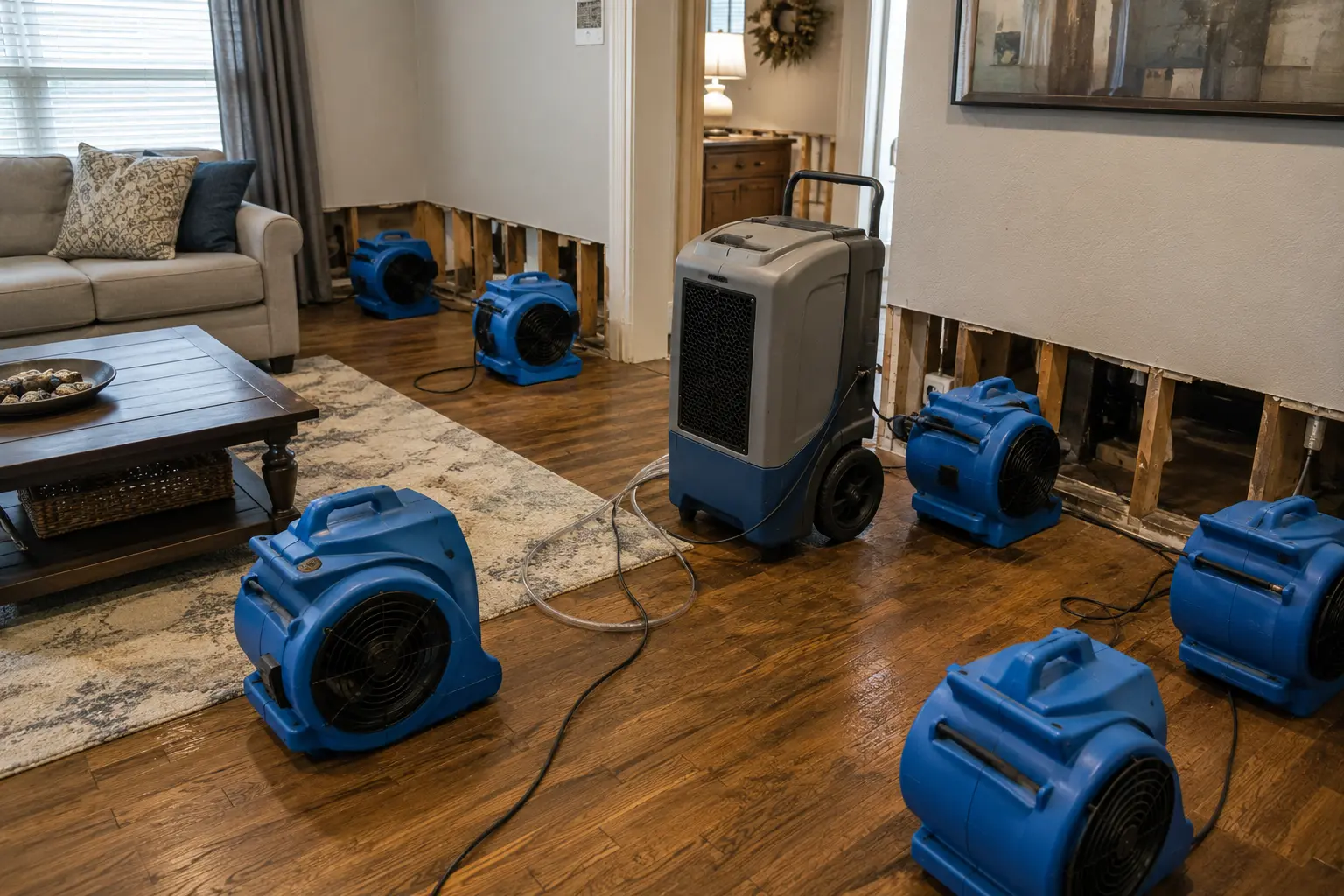
You paid for mold remediation. The visible mold is gone, the room smells fine, and everything looks normal. Then a few months later, you notice that same musty smell, or worse, the mold reappears in the exact same spot. If this sounds familiar, you’re not imagining it, and you’re definitely not alone. Mold returning after remediation is one of the most common follow-up questions in this industry, and it almost always comes down to one of a handful of root causes.
Yes, Mold Can Come Back After Remediation
Mold remediation removes existing mold growth and treats the area to prevent regrowth, but it does not guarantee mold will never return. If the underlying moisture problem that caused the mold in the first place wasn’t fully resolved, mold has everything it needs to grow right back: a food source (almost any organic material, including drywall paper and wood), the right temperature, and moisture.
Remediation removes the mold. It does not automatically fix a leaky pipe, a poorly ventilated bathroom, or a roof that’s still letting water in. That’s the gap where recurring mold problems live.
The Mold Life Cycle: How It Spreads Even After Cleaning
Understanding why mold can return starts with understanding how it actually spreads. Mold reproduces through microscopic spores that are essentially always present in indoor and outdoor air at low levels. These spores become a problem when they land on a damp surface with an organic food source, which describes most building materials: drywall paper, wood framing, insulation backing, even dust accumulation.
When mold is “removed” during remediation, what’s actually happening is the visible colony and the contaminated material it’s growing on are removed or treated. But spores from that colony have often already traveled through the air to nearby surfaces, settling invisibly until they find another damp spot to start growing. This is why a thorough remediation includes not just the visibly affected area, but a buffer zone around it, along with air scrubbing using HEPA filtration to capture airborne spores before they resettle elsewhere.
Different Types of Mold and Why It Matters for Recurrence
Not all mold behaves the same way, and the type involved can affect both health risk and how aggressively it tends to return:
Cladosporium and Penicillium are common, fast-growing mold types that can establish a new colony within 24-48 hours of finding a damp surface, which is part of why they seem to “come back so fast” after a partial cleanup.
Stachybotrys (commonly called black mold) grows more slowly than the species above but requires consistently high moisture to thrive, meaning its presence often signals a more significant, ongoing moisture problem rather than a one-time event.
Aspergillus is extremely common and can grow on a wide range of materials, including dust and HVAC components, making it one of the more difficult types to fully eliminate from a building’s air system without addressing ductwork as part of remediation.
Knowing which type you’re dealing with, typically through lab testing of a sample, can help determine how aggressive the remediation and prevention plan needs to be.
The Role of HVAC Systems in Mold Recurrence
One of the most overlooked sources of recurring mold is the HVAC system itself. If mold spores were present in the air during the original problem, they can settle inside ductwork, on coils, or in the drip pan of an air conditioning unit. Every time the system runs afterward, it can recirculate those spores throughout the building, effectively reseeding rooms that were already remediated.
If mold keeps returning in multiple rooms rather than a single consistent spot, or if it seems to appear in areas with no obvious moisture source, an HVAC inspection is worth considering as part of the root cause investigation.
How Long Should You Wait Before Assuming It’s Back?
It’s normal to be hypervigilant about a musty smell or a small discoloration after going through a mold remediation. A general guideline: if a smell or spot appears within the first few weeks after remediation, it’s worth a prompt reinspection, since this often points to incomplete drying or an unresolved moisture source rather than an entirely new issue. If it appears months or years later, it could be a new moisture event unrelated to the original problem, like a new leak or a seasonal humidity spike, and is worth treating as its own investigation rather than assuming it’s a failure of the original work.
What a Thorough Remediation Company Should Guarantee
Not every company offers a warranty on mold remediation work, but the ones that do typically structure it around verified moisture resolution rather than just the mold removal itself. When evaluating a remediation company, it’s reasonable to ask:
- Do you offer any warranty period on remediation work, and what does it actually cover?
- Will you provide moisture readings and air quality test results in writing?
- What’s your process if mold reappears within the warranty period?
- Do you address the moisture source as part of your scope, or only the mold itself?
A company confident in their process should have clear, direct answers to all of these without hesitation.
Prevention Habits That Reduce Long-Term Mold Risk
Beyond the immediate steps tied to a specific remediation event, a few ongoing habits meaningfully reduce the odds of mold establishing itself again anywhere in a property:
Run exhaust fans during and after showers, ideally for at least 20-30 minutes after, to clear humidity before it settles into grout, drywall, or paint. Many homeowners turn the fan off the moment they step out of the shower, which is exactly when humidity levels are at their peak.
Keep indoor humidity below 50% where possible, particularly in coastal-adjacent parts of Los Angeles where ambient humidity runs higher. An inexpensive hygrometer can monitor this, and a dehumidifier in chronically humid rooms (basements, converted garages, poorly ventilated bathrooms) can keep levels in a safe range year-round.
Check under sinks and around appliances periodically, since slow leaks from supply lines, drain pipes, or appliance connections are one of the most common sources of mold that develops gradually rather than from a single dramatic event, and they’re often hidden from daily view.
Address condensation on windows and pipes promptly, since recurring condensation is essentially a small, repeating water event that can saturate nearby materials over weeks or months even though no single incident seems significant.
Schedule periodic HVAC maintenance, including coil cleaning and duct inspection, particularly if your property has previously had a mold issue, since HVAC systems are one of the more overlooked long-term mold risks discussed earlier in this guide.
Health Considerations Worth Understanding
Mold exposure affects people differently, and it’s worth knowing the general categories of symptoms associated with mold exposure, while keeping in mind that any specific health concern should be discussed with a medical professional rather than self-diagnosed based on a mold issue alone.
Common reported symptoms associated with mold exposure include respiratory irritation, persistent coughing, nasal congestion, eye irritation, and skin irritation in some individuals. People with asthma, allergies, or compromised immune systems are generally considered more sensitive to mold exposure than the general population. If anyone in a household with a known or suspected mold issue is experiencing ongoing, unexplained respiratory or allergy-like symptoms that improve when away from the property, it’s worth mentioning the mold history to a healthcare provider as part of that conversation.
When a Recurring Mold Problem Might Indicate a Bigger Structural Issue
If mold keeps returning despite multiple remediation attempts and a reasonably thorough search for the moisture source, it’s worth considering whether the actual cause is something larger and less obvious, such as:
- A slow foundation leak allowing groundwater intrusion, particularly relevant for older homes or properties on a slope
- Inadequate roof or wall ventilation creating chronic condensation within the structure itself, rather than from an active leak
- A plumbing issue inside a wall cavity that hasn’t been pinpointed, sometimes requiring specialized leak detection equipment to locate
- Grading or drainage issues around the property’s foundation, where water collects against an exterior wall during rain rather than draining away
These causes are less obvious than a one-time pipe burst or roof leak, which is exactly why they tend to produce a pattern of mold that keeps returning despite repeated, seemingly thorough remediation. A persistent, unexplained recurrence is a reasonable signal to bring in a more comprehensive inspection that looks beyond the immediately affected room.
Mold Testing: When It’s Worth It and When It Isn’t
Not every recurring mold concern requires formal lab testing, and it’s worth understanding when testing actually adds value versus when it’s an unnecessary expense.
Testing is generally worth it when: mold has returned multiple times despite remediation attempts and the cause isn’t obvious, someone in the household has ongoing unexplained health symptoms and wants documented evidence either way, you’re involved in a dispute with a landlord, contractor, or insurance company where objective documentation matters, or you’re buying or selling a property and need a clear record of current conditions.
Testing is often unnecessary when: mold is visibly present and the type doesn’t change the recommended course of action (in most residential situations, visible mold should be professionally remediated regardless of which species it is), or the moisture source is already clearly identified and being addressed, since testing won’t change the next steps in that case.
Two general types of testing exist: air sampling, which measures spore concentration in the air compared to a outdoor baseline, and surface sampling, which identifies the specific type of mold present on a given surface. A qualified indoor air quality professional, separate from the remediation company doing the actual work, can provide more objective results, since there’s an inherent conflict of interest if the same company testing for mold also profits from remediating it.
What Renters Should Know About Recurring Mold
If you’re renting and dealing with mold that keeps coming back despite the landlord arranging remediation, a few things are worth understanding. Document every instance with photos and dated written communication to your landlord or property manager, since this creates a record showing the problem is ongoing rather than a single isolated incident. In California, landlords generally have a legal obligation to maintain habitable conditions, and recurring mold tied to an unaddressed structural or plumbing issue can fall under that obligation, though the specifics depend on your lease, local ordinances, and the circumstances involved. If a landlord’s remediation efforts repeatedly fail to resolve a moisture source they control (a building-wide plumbing issue, a roof affecting your unit specifically), it’s reasonable to formally request, in writing, that the underlying cause be investigated and fixed, not just the visible mold treated again.
Why “Just Bleach It” Doesn’t Actually Solve the Problem
A common DIY response to recurring mold is to simply clean the visible area with bleach or a similar household cleaner. This can remove surface mold and improve appearance temporarily, but it doesn’t address moisture trapped within porous materials like drywall or wood, and bleach in particular doesn’t effectively penetrate porous surfaces the way it’s often assumed to. This is part of why mold treated this way so often returns within weeks, the visible symptom was addressed, but neither the underlying moisture nor any mold growth already established beneath the surface was actually resolved.
The Most Common Reasons Mold Returns
1. The Moisture Source Was Never Fixed
This is the number one reason mold comes back. If a plumbing leak, roof leak, or condensation issue caused the original mold and that source wasn’t repaired, treating the mold itself is only a temporary fix. The mold will return because the conditions that caused it never went away.
2. Incomplete Drying Before Remediation
If materials weren’t fully dried before remediation work was completed, residual moisture trapped behind walls or under flooring can support new mold growth even after visible mold was removed. This is one reason proper structural drying, confirmed with moisture meters rather than visual inspection alone, matters so much before any rebuilding happens.
3. Hidden Mold Outside the Treated Area
Mold spreads through air gaps, behind walls, and into HVAC systems. If remediation only addressed the visible affected area without checking adjacent spaces, mold growing just outside that boundary can spread back into the treated area over time.
4. Poor Ventilation
Bathrooms, laundry rooms, and kitchens generate consistent humidity. Without adequate ventilation, even a fully remediated space can develop new mold growth from everyday moisture, completely unrelated to the original water damage event.
5. High Indoor Humidity
In Los Angeles, homes near the coast or in poorly ventilated units can maintain indoor humidity levels above 60%, which is enough to support mold growth on its own, especially in bathrooms, closets, and rooms with limited airflow.
6. Building Materials That Stay Damp
Some materials, like certain types of insulation or older drywall, hold onto moisture longer than others. If these materials weren’t replaced during remediation and were instead dried and reused, they can remain a long-term risk for regrowth.
How to Tell If Mold Is Actually Back
- A musty smell returns in the same area, even without visible mold yet
- Discoloration reappears on walls, ceilings, or baseboards
- Allergy-like symptoms return when spending time in the affected room
- Visible spotting on surfaces that were previously clean
If you notice any of these signs, don’t wait. Catching a recurrence early is significantly cheaper and less invasive than letting it spread again. For a broader list of warning signs throughout a property, see our guide on signs of hidden water damage in your home.
How to Actually Stop Mold From Coming Back
Fix the Source, Not Just the Symptom
Before any remediation work begins, the moisture source needs to be identified and repaired. This might mean fixing a roof leak, replacing a failing pipe, or addressing a ventilation issue. A reputable remediation company should require this step before treating mold, not after.
Verify Moisture Levels, Don’t Just Eyeball It
A surface that looks dry can still hold significant moisture underneath. Moisture meters and, when needed, thermal imaging confirm a space is actually dry before any rebuilding or sealing happens.
Improve Ventilation
Exhaust fans in bathrooms, proper attic ventilation, and dehumidifiers in chronically humid spaces all reduce the conditions mold needs to grow.
Get Post-Remediation Verification
A third-party or independent post-remediation verification confirms the area meets clearance standards before you consider the job finished. This step is often skipped to save cost, but it’s the difference between assuming the job worked and actually knowing it did.
Connection to Water Damage and Flood Remediation
Mold recurrence is closely tied to how thoroughly the original water damage was addressed. If you’re dealing with mold after a flood, it’s worth understanding the difference between the cleanup phase and the rebuild phase covered in our flood remediation vs flood restoration guide, since skipping or rushing the remediation phase is one of the most common reasons mold problems resurface months later.
When to Call a Professional Again
If mold returns after a previous remediation, it’s worth a fresh inspection rather than just retreating the same spot again. A new inspection can identify whether the original moisture source was actually fixed, whether the issue has spread beyond the original area, or whether a completely separate moisture problem is now contributing.
Seeing mold return after a previous remediation? Call ASAP Water Damage Restoration for a thorough reinspection and a remediation plan that actually addresses the root cause, not just the surface mold.