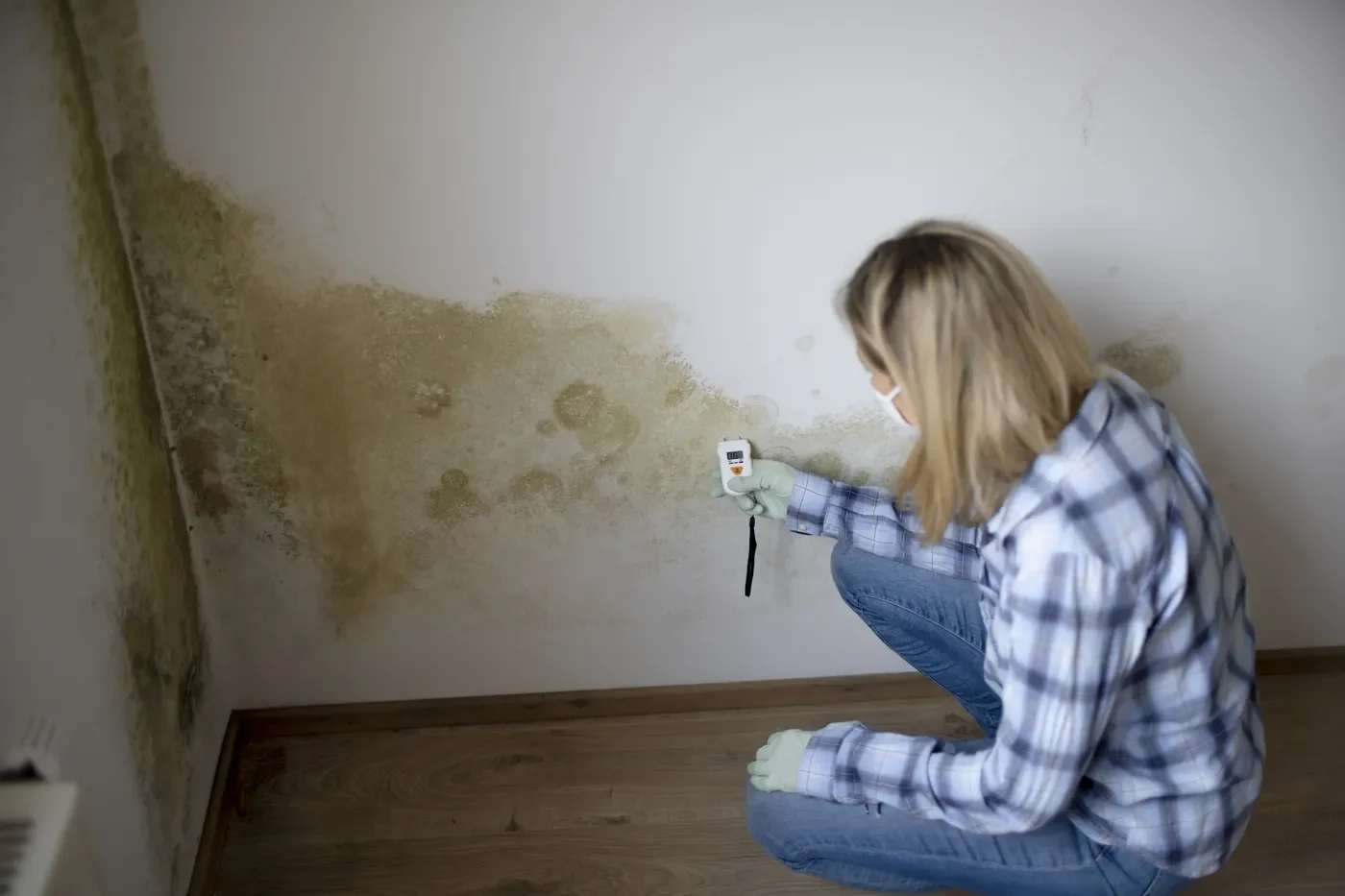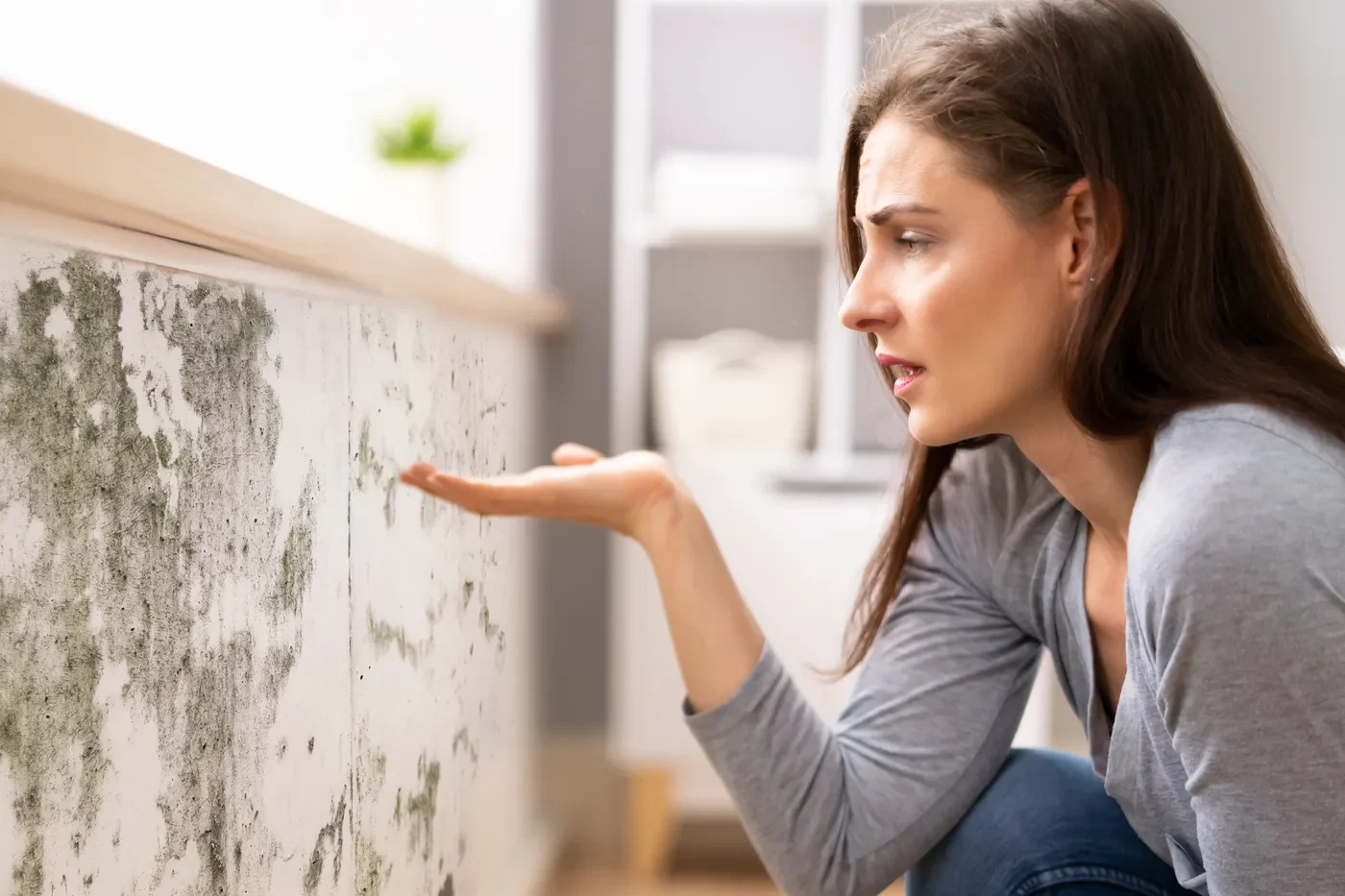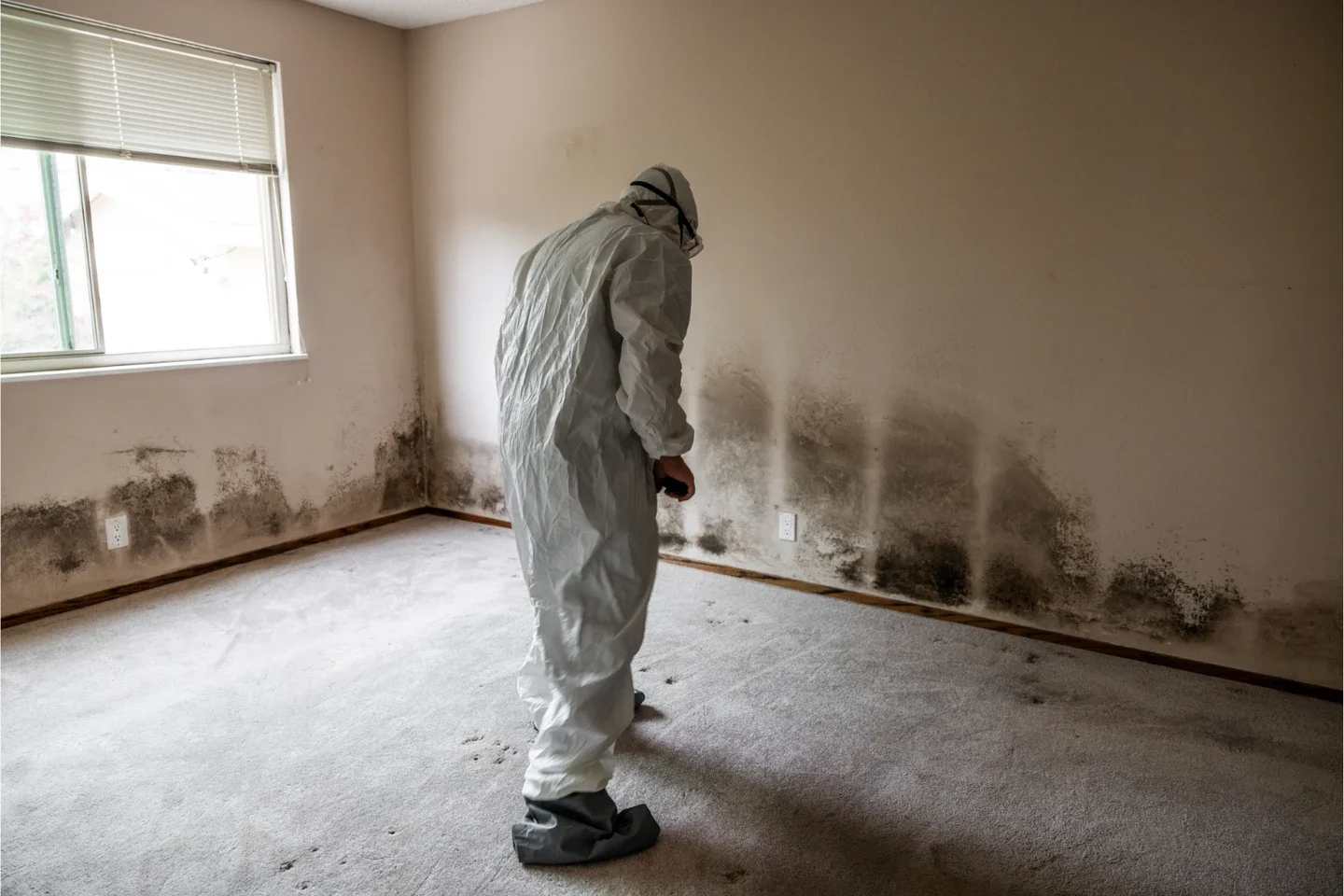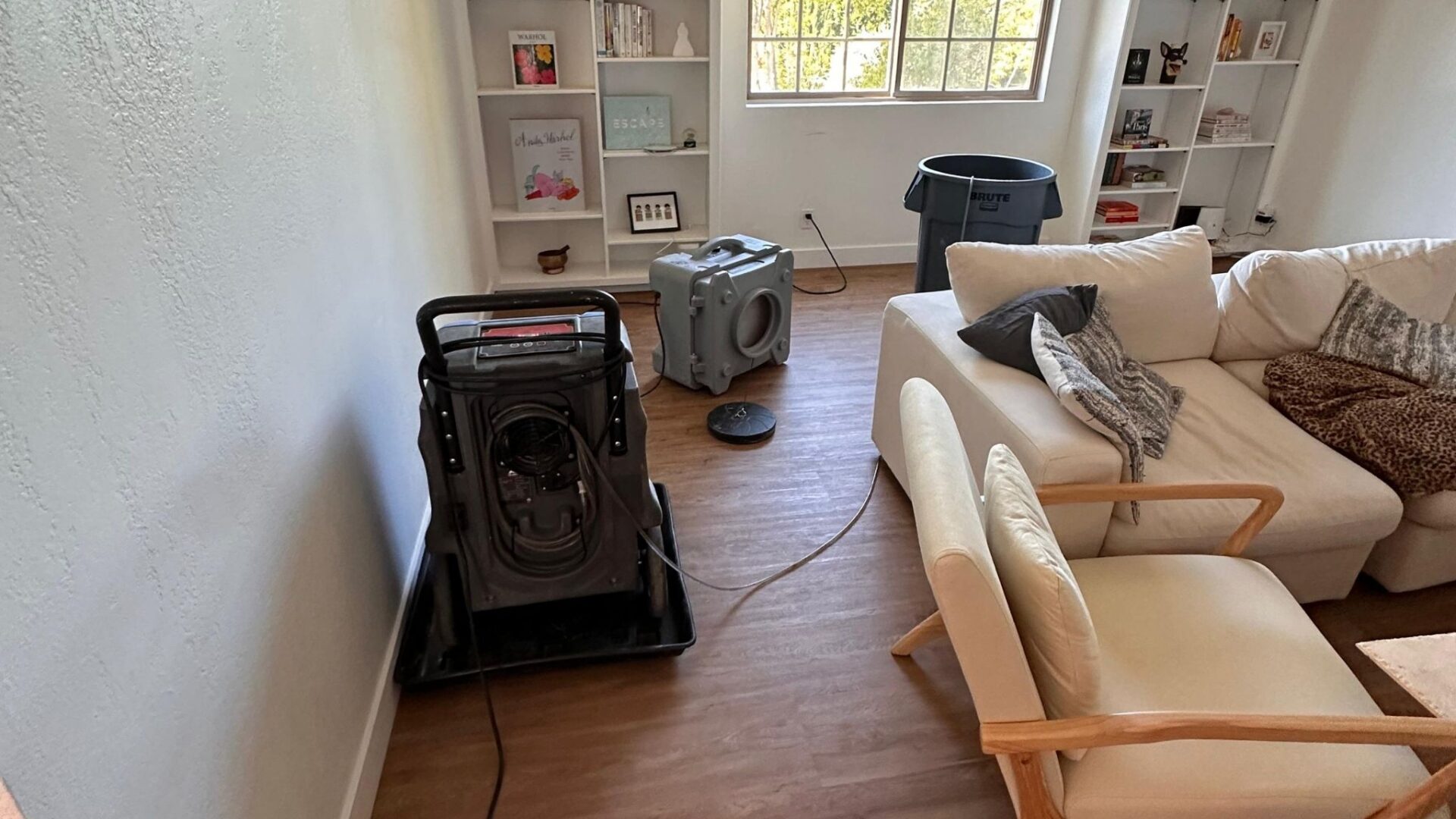
Few things frustrate homeowners more than discovering mold has returned after supposedly successful cleanup. You’ve scrubbed the affected areas, applied mold-killing products, repainted the walls, and believed the problem was solved. Then weeks or months later, the familiar black spots, musty odors, and discoloration reappear in the same locations.
Recurring mold growth is not random bad luck. It indicates that the fundamental conditions supporting mold were never addressed. Understanding why mold returns is essential for achieving permanent elimination.
This comprehensive guide explains the root causes of recurring mold, why surface cleaning fails, and how professional remediation prevents mold from coming back.
Understanding Why Mold Grows
Mold is a fungus that reproduces through microscopic spores floating through the air. These spores are everywhere, indoors and outdoors, and cannot be completely eliminated. Under normal dry conditions, spores remain dormant and harmless. Mold growth requires three specific conditions:
Moisture Source: Mold needs water or high humidity to activate and grow. This is the most critical factor.
Food Source: Mold feeds on organic materials including drywall paper facing, wood, carpet, fabric, dust, dirt, and even paint.
Appropriate Temperature: Mold grows best between 77°F and 86°F, but can develop in a wide range from 40°F to 100°F. Most Los Angeles homes stay within ideal mold growth temperature ranges year-round.
When all three conditions exist together, mold colonization begins within 24 to 48 hours. The key to permanent mold elimination is removing one or more of these conditions permanently.
The Most Common Reason Mold Returns: Ongoing Moisture
In over 95% of recurring mold cases, the fundamental problem is unresolved moisture. Surface cleaning removes visible mold but does nothing to address the water source feeding it.
Hidden or Ongoing Leaks
Mold returns when moisture continues entering the area:
Slow Plumbing Leaks:
- Pinhole leaks in pipes within walls
- Failing toilet wax rings
- Dripping under-sink connections
- Leaking shower pans
- Failed grout or caulking in bathrooms
These leaks may be so slow that water damage is not obvious. A drip of one drop per second releases nearly 5 gallons per day. Over weeks, this creates extensive moisture accumulation that supports mold growth continuously.
Roof Leaks:
- Missing or damaged shingles
- Failed flashing around chimneys or vents
- Deteriorated roof valleys
- Skylight seal failures
Roof leaks often manifest far from the actual entry point. Water travels along roof decking or rafters before appearing inside the structure. The visible mold may be 10-20 feet from where rain actually enters.
Foundation and Window Leaks:
- Water seeping through foundation cracks
- Failed window seals
- Improper grading directing water toward the foundation
- Condensation on single-pane windows
HVAC Condensation Issues:
- Clogged condensate drain lines
- Disconnected drain pans
- Ductwork condensation from temperature differences
- Air handler cabinet leaks
If the moisture source remains active, mold will return regardless of how thoroughly you clean.
High Indoor Humidity
Even without active leaks, high humidity supports mold growth:
Humidity Above 60% Creates Mold Risk:
Common humidity sources in Los Angeles properties include:
Poor Ventilation:
- Bathrooms without exhaust fans
- Kitchens with inadequate venting
- Closed-up properties with minimal air exchange
- Interior rooms with no air circulation
Steam and Moisture Generation:
- Long hot showers without ventilation
- Cooking without exhaust fans
- Indoor clothes drying
- Multiple occupants creating moisture
Seasonal Conditions:
- Marine layer moisture near coast
- Humidity during infrequent rain events
- Temperature differences creating condensation
Building Characteristics:
- Poor insulation creating condensation points
- Single-pane windows collecting moisture
- Improperly vented attics or crawlspaces
High humidity allows mold to grow on any organic surface even without direct water contact.
Structural Moisture
Sometimes moisture remains trapped in building materials:
Inadequate Drying After Water Damage:
- Surface drying doesn’t address moisture in wall cavities
- Drywall can hold moisture for weeks
- Insulation retains water indefinitely without removal
- Wood framing releases moisture slowly over months
If materials were not properly dried after water damage, trapped moisture will support recurring mold growth for extended periods.
Lack of Vapor Barriers:
- Missing or damaged vapor barriers allow moisture migration
- Particularly problematic in bathrooms and kitchens
- Common in older Los Angeles properties
Incomplete Mold Removal
The second major cause of recurring mold is incomplete initial remediation.
Surface Cleaning Only
Household mold cleaners and DIY approaches typically address only surface mold:
What Surface Cleaning Misses:
Root Structure: Mold grows thread-like structures called hyphae that penetrate into porous materials. Surface cleaning kills visible growth but leaves these roots intact. From the remaining root structure, mold regrows quickly.
Spore Reservoirs: Porous materials harbor mold spores deep within their structure. Bleach and surface cleaners cannot penetrate sufficiently to kill embedded spores.
Hidden Growth: Mold grows behind walls, inside cavities, beneath flooring, and in other concealed areas. Cleaning only visible areas leaves extensive hidden colonies untouched.
Cross-Contamination: Improper cleaning spreads spores to previously unaffected areas, creating new growth locations.
Using Inappropriate Cleaning Products
Many common “mold killers” are ineffective or create additional problems:
Bleach Limitations:
Bleach is widely believed to kill mold but has significant limitations:
- Only works on non-porous surfaces
- Cannot penetrate porous materials like drywall or wood
- Weakens and discolors materials
- Provides no residual protection
- Can worsen conditions by adding moisture
Paint-Over Attempts:
Painting over mold without remediation fails because:
- Mold grows through most paints
- Moisture continues feeding growth
- Staining reappears through paint
- Growth continues behind the paint layer
Vinegar and Household Products:
While less harmful than bleach, household products:
- Kill only surface mold
- Provide no lasting protection
- Cannot address root structure
- May not kill all mold species
Improper Containment
DIY mold removal often lacks proper containment, causing:
Spore Spread:
- Disturbing mold without containment releases millions of spores
- Spores spread throughout the property via HVAC systems
- New growth appears in previously clean areas
- Cross-contamination creates multiple growth sites
Professional mold remediation uses containment barriers and negative air pressure to prevent spore spread.
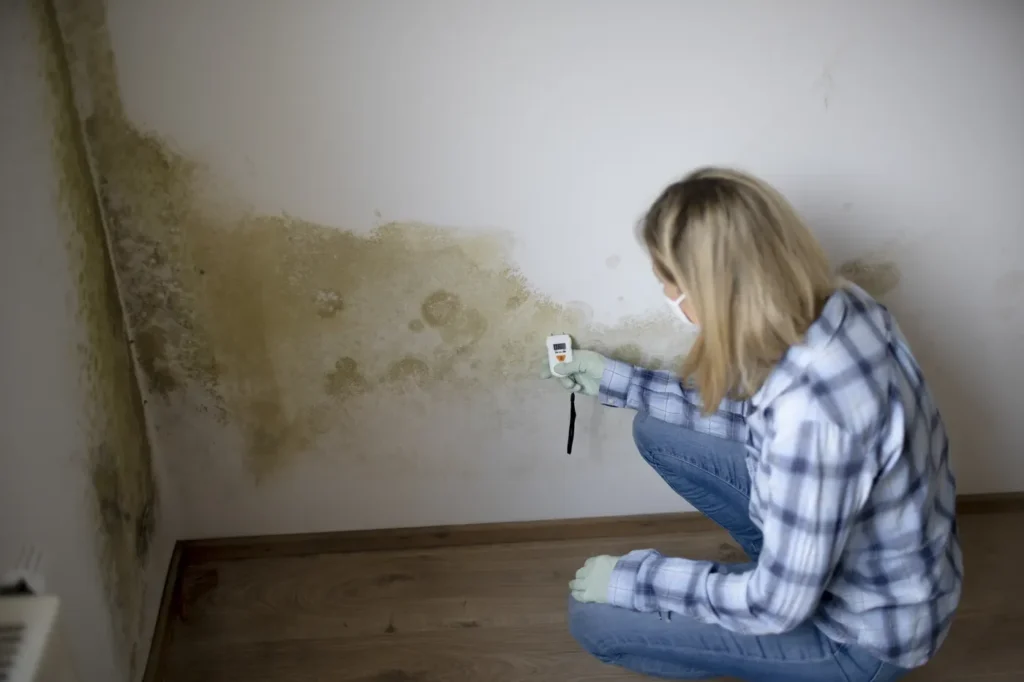
Material Replacement vs. Cleaning
A critical distinction in permanent mold elimination is knowing when materials must be replaced versus when cleaning is sufficient.
Porous Materials Usually Require Replacement
Materials That Cannot Be Adequately Cleaned:
Drywall:
- Paper facing provides ideal mold food
- Porous gypsum core harbors spores
- Mold penetrates completely through material
- Discoloration cannot be removed
- Must be removed and replaced
Insulation:
- Impossible to clean without destroying
- Holds moisture indefinitely
- Spores throughout material
- Always removed during professional remediation
Carpet and Padding:
- Extremely porous and absorbent
- Cannot be disinfected adequately
- Odors remain even after cleaning
- Professional cleaning sometimes works for small areas, but replacement is more reliable
Ceiling Tiles:
- Highly porous
- Retain moisture and odors
- Inexpensive to replace compared to cleaning attempts
Upholstered Furniture:
- Fabric and padding harbor spores
- Moisture penetrates deep into cushions
- Professional furniture cleaning rarely successful
- Replacement usually necessary
Non-Porous Materials Can Be Cleaned
Materials Suitable for Professional Cleaning:
Hard Surfaces:
- Metal
- Glass
- Sealed concrete
- Ceramic tile
- Plastic
These materials can be cleaned, disinfected, and restored successfully.
Wood (Depends on Severity):
- Sealed wood furniture often salvageable
- Structural wood framing can sometimes be treated
- Unsealed or soft wood may require replacement
- Professional assessment determines salvageability
Attempting to clean porous materials is a primary reason mold returns. Spores and root structures remain in the material and regrow when moisture is present.
Lack of Source Remediation
Treating mold symptoms without addressing the cause guarantees recurrence.
The Water Source Must Be Fixed
Professional mold remediation always begins with moisture source identification and repair:
Professional Moisture Detection:
Our thermal imaging inspection services locate hidden moisture sources:
- Infrared cameras reveal moisture behind walls
- Moisture meters identify wet materials
- Comprehensive inspection finds all water sources
- Source repair happens before mold removal
Common Source Repairs Required:
Plumbing:
- Repair or replace leaking pipes
- Fix toilet seals
- Correct shower pan failures
- Seal tub and shower surrounds properly
Roofing:
- Replace damaged shingles
- Repair flashing
- Seal roof penetrations
- Address gutter and drainage issues
HVAC:
- Clear condensate drains
- Fix disconnected drain pans
- Insulate ducts to prevent condensation
- Improve ventilation
Foundation:
- Seal cracks
- Improve drainage
- Install dehumidification systems
- Address grading issues
Without source repair, mold will return regardless of how thoroughly remediation is performed.
Environmental Factors Not Addressed
Sometimes mold returns because environmental conditions were never corrected.
Inadequate Ventilation
Poor ventilation allows moisture accumulation:
Bathroom Ventilation:
- Bathrooms need exhaust fans rated for room size
- Fans must vent to exterior, not attic
- Fans should run during showers and 15-30 minutes after
- Consider humidity-sensing automatic fans
Kitchen Ventilation:
- Range hoods should vent exterior
- Recirculating hoods are inadequate
- Use exhaust fans during cooking
General Home Ventilation:
- Open windows periodically for air exchange
- Use whole-house ventilation systems if available
- Don’t keep home completely sealed
Closet and Storage Area Ventilation:
- Closets against exterior walls need air circulation
- Leave closet doors open occasionally
- Use louvered doors for constant airflow
- Don’t overfill closets, blocking air movement
High Humidity Not Controlled
Mold returns if humidity remains above 60%:
Humidity Control Measures:
Dehumidification:
- Install dehumidifiers in problematic areas
- Maintain humidity between 30-50%
- Empty dehumidifier reservoirs regularly
- Consider whole-home dehumidification systems
Air Conditioning:
- Properly sized AC systems control humidity
- Oversized systems cool quickly but don’t dehumidify
- Maintain AC systems properly
- Consider additional dehumidification if needed
Behavior Modifications:
- Take shorter, cooler showers
- Always use exhaust fans
- Don’t dry clothes indoors
- Cover pots when cooking to contain steam
Temperature Factors
While less controllable in occupied spaces, temperature affects mold:
Cold Surface Condensation:
- Single-pane windows collect condensation
- Poorly insulated exterior walls create cold spots
- Condensation supports mold growth
Solutions:
- Upgrade to dual-pane windows
- Improve wall insulation
- Increase air circulation near cold surfaces
- Use window treatments to reduce temperature differences
Improper Post-Remediation Reconstruction
Even after professional mold removal, improper reconstruction can create conditions for recurrence:
Not Using Mold-Resistant Materials
Standard vs. Mold-Resistant Products:
Mold-Resistant Drywall:
- Paperless or fiberglass-faced drywall
- Resists mold growth better than paper-faced
- Slightly more expensive but valuable in moisture-prone areas
Mold-Resistant Paint:
- Antimicrobial paint additives
- Helps resist surface mold
- Particularly useful in bathrooms and kitchens
Appropriate Materials for Each Location:
- Cement board in shower surrounds
- Mold-resistant drywall in bathrooms
- Proper waterproofing membranes
- Mold-resistant insulation options
Not Addressing Waterproofing
Bathrooms and kitchens require proper waterproofing:
Shower and Tub Areas:
- Waterproofing membrane beneath tile
- Proper sloping for drainage
- Quality grout and caulk
- Regular maintenance and resealing
Ventilation Improvements:
- Install exhaust fans if missing
- Upgrade to higher CFM rating if needed
- Ensure proper exterior venting
Los Angeles-Specific Mold Recurrence Factors
Los Angeles properties face unique challenges:
Coastal Moisture
Properties near the coast experience:
- Marine layer humidity
- Salt air increasing moisture
- Condensation from temperature differentials
- Year-round mold growth conditions
Solutions:
- Enhanced dehumidification
- Improved ventilation
- Regular moisture monitoring
- Mold-resistant materials in coastal properties
Aging Housing Stock
Many Los Angeles properties:
- Were built before modern moisture management standards
- Have inadequate ventilation systems
- Lack vapor barriers
- Have deteriorating plumbing and roofing
Solutions:
- Systematic upgrades during renovations
- Proactive plumbing replacement
- Addition of vapor barriers
- Ventilation system improvements
Earthquake Damage
Seismic activity can create:
- Plumbing stress fractures
- Foundation cracks
- Roof damage
- Slow leaks that support mold
Solutions:
- Post-earthquake inspections
- Prompt repair of damage
- Moisture monitoring in affected areas
Limited Rain Creating False Security
Los Angeles’s dry climate creates misconceptions:
- Homeowners underestimate moisture risks
- Limited rain means irregular roof inspections
- When rain occurs, drainage systems often fail from lack of maintenance
- Flash flooding overwhelms poorly maintained systems
Solutions:
- Regular maintenance regardless of recent rain
- Test drainage systems before rainy season
- Don’t assume dry climate prevents mold
Professional Mold Remediation vs. DIY: The Permanent Difference
Professional mold remediation provides permanent results DIY methods cannot achieve:
What Professional Remediation Includes
Comprehensive Mold Inspection and Testing:
- Visual assessment of all affected areas
- Moisture meter readings identifying hidden moisture
- Thermal imaging revealing concealed mold
- Air quality testing measuring spore concentrations
- Professional report documenting all findings
Source Identification and Repair:
- Complete moisture source location
- Coordination with plumbers, roofers, or other trades for repairs
- Verification that moisture source is eliminated
- Confirmation of proper drying
- Physical barriers isolating work areas
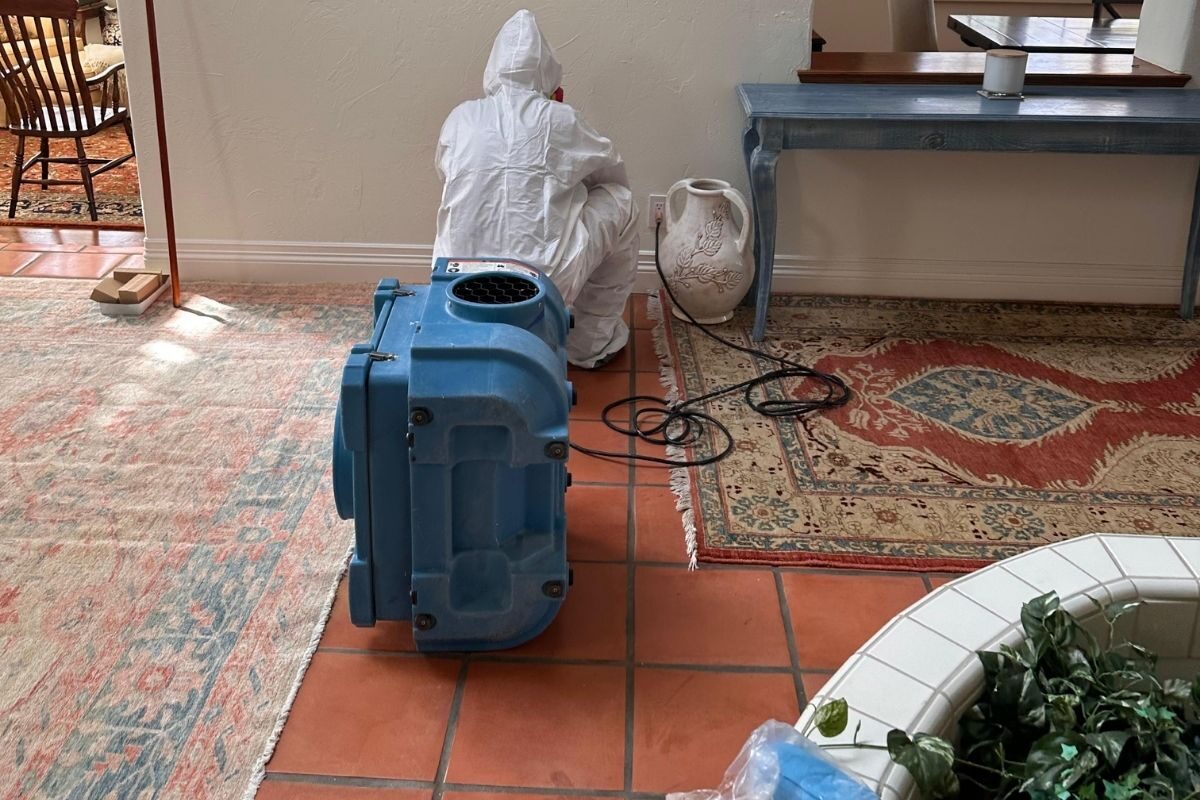
- Negative air pressure preventing spore spread
- HEPA filtration capturing airborne contaminants
- Protecting unaffected areas from cross-contamination
- All contaminated porous materials removed and disposed
- Removal extends beyond visible mold
- Proper bagging and disposal as contaminated waste
- No salvage attempts on unsalvageable materials
Thorough Cleaning and Disinfection:
- HEPA vacuuming of all surfaces
- Antimicrobial treatment of structural materials
- Complete cleaning of salvageable items
- Multiple cleaning passes ensure thorough decontamination
Post-Remediation Verification:
- Visual inspection confirming complete remediation
- Moisture verification ensuring proper dryness
- Air quality testing proving successful removal
- Documentation for property records and insurance
Reconstruction with Mold-Resistant Materials:
- Mold-resistant drywall in appropriate areas
- Proper waterproofing and vapor barriers
- Quality materials and proper installation
- Addressing environmental factors
Preventing Future Mold After Successful Remediation
Once professional remediation achieves mold elimination, prevention maintains results:
Ongoing Moisture Control
Regular Monitoring:
- Check humidity levels periodically
- Inspect prone areas (bathrooms, kitchens, basements)
- Address condensation immediately
- Respond to musty odors right away
Maintenance Schedule:
- Annual plumbing inspection
- Roof inspection every 3 years or after storms
- HVAC servicing annually
- Gutter cleaning twice yearly
Humidity Management:
- Maintain dehumidifiers
- Use exhaust fans consistently
- Monitor indoor humidity with hygrometer
- Keep levels between 30-50%
Prompt Response to Water Events
When water damage occurs:
Immediate Actions:
- Contact professional water damage restoration within 24 hours
- Extract water quickly
- Begin drying immediately
- Monitor until completely dry
Why Professional Response Matters:
- Prevents mold colonization in first 24-48 hours
- Ensures complete structural drying
- Addresses hidden moisture
- Provides moisture verification
Preventing mold is far less expensive than repeated remediation.
Environmental Control
Ventilation Habits:
- Use bathroom fans during and after showers
- Operate kitchen exhaust when cooking
- Open windows periodically for air exchange
- Don’t block air vents or returns
Temperature Control:
- Maintain consistent temperature
- Avoid extreme temperature swings
- Prevent cold surface condensation
- Use appropriate window treatments
When to Call Professional Mold Remediation
If mold has returned after previous cleanup, professional remediation is necessary:
Signs Professional Help Is Needed:
- Mold returns in same location after DIY cleaning
- Musty odors persist after cleaning
- Mold appears in multiple locations
- Affected area exceeds 10 square feet
- Mold appears after water damage
- Health symptoms develop or worsen
- Moisture source is unclear
DIY approaches cannot provide permanent mold elimination when underlying causes exist.
The Long-Term Cost of Recurring Mold
Repeated inadequate mold cleanup costs more than professional remediation:
Accumulated DIY Costs:
- Multiple rounds of cleaning products
- Repeated material purchases (paint, caulk, etc.)
- Health impacts and medical costs
- Property damage from ongoing moisture
- Reduced property value
Professional Remediation:
- One-time comprehensive solution
- Permanent elimination
- Source repair included
- Warranty on work performed
- Protected property value
Professional remediation costs less long-term and protects health and property investment.
Contact ASAP Water Damage Restoration Los Angeles
If mold keeps returning after cleanup, the fundamental causes have not been addressed. Surface cleaning and DIY approaches cannot provide permanent elimination when moisture sources remain active and contaminated materials stay in place.
Our IICRC-certified team provides comprehensive mold remediation services that eliminate mold permanently. We identify and repair moisture sources, remove contaminated materials completely, and restore your property with mold-resistant materials and proper moisture control.
Call (323) 677-2811 for professional mold remediation that prevents recurrence.
We serve residential and commercial properties throughout Los Angeles. Our comprehensive approach ensures mold doesn’t come back.
Stop the cycle of recurring mold. Contact us today for permanent mold elimination.