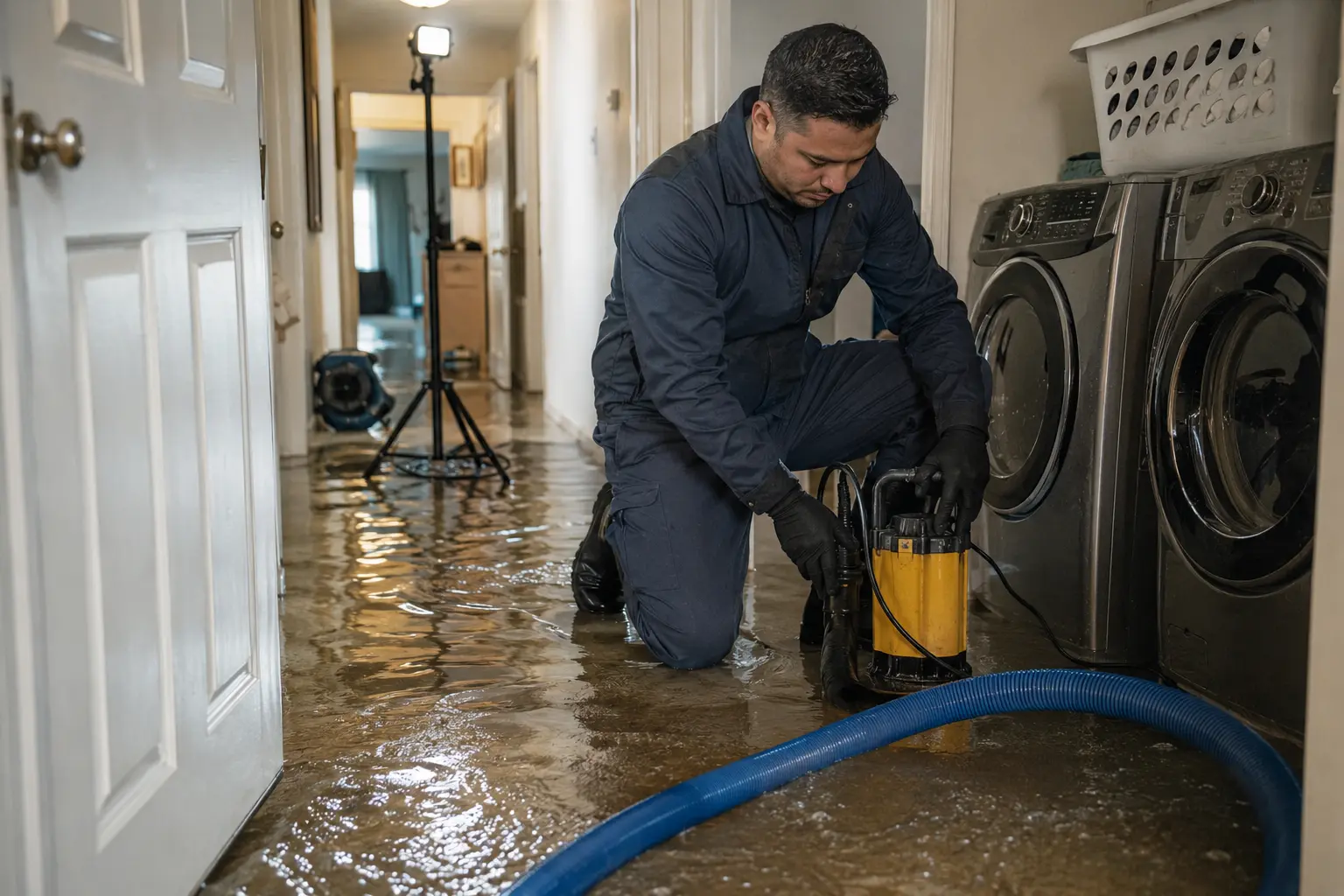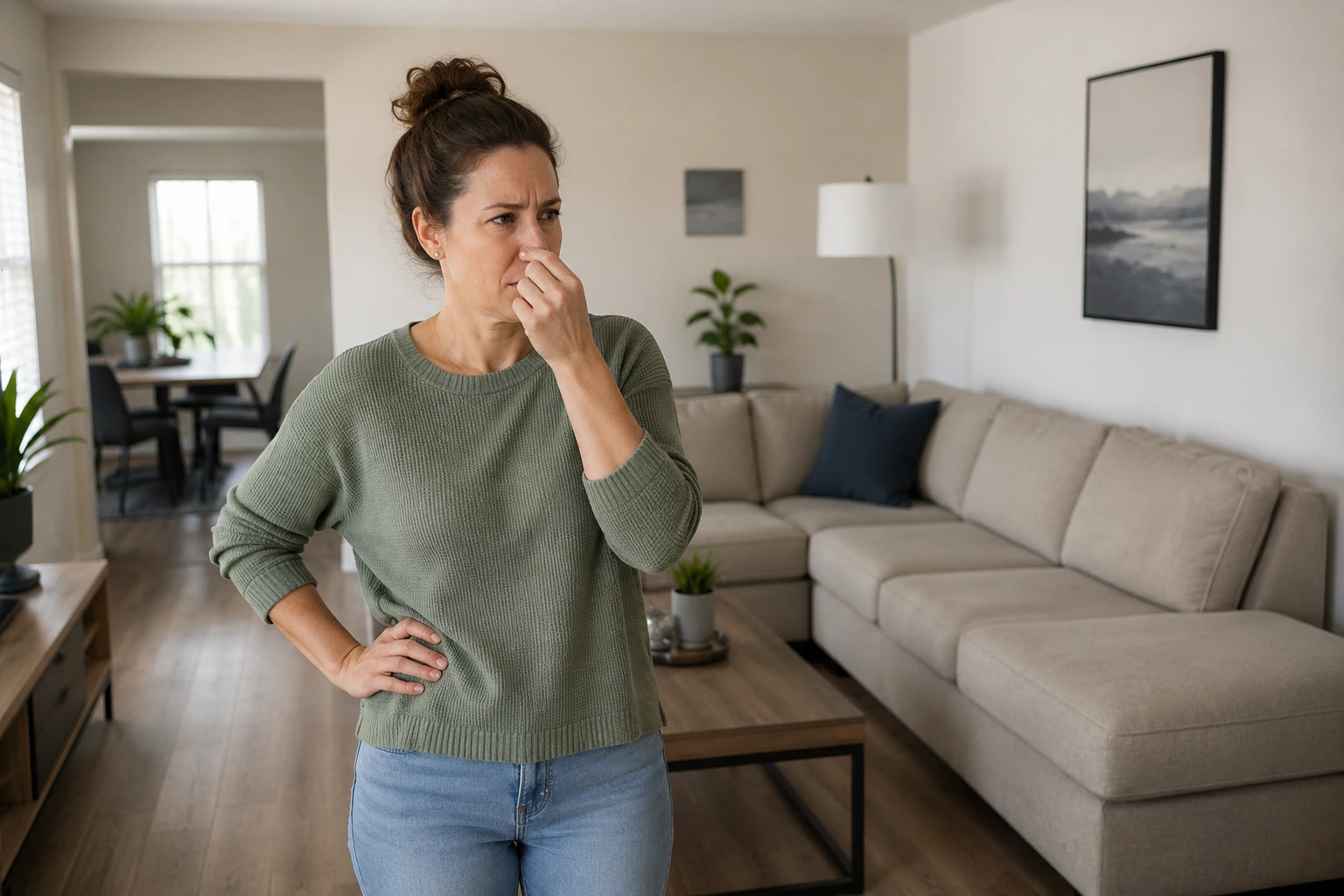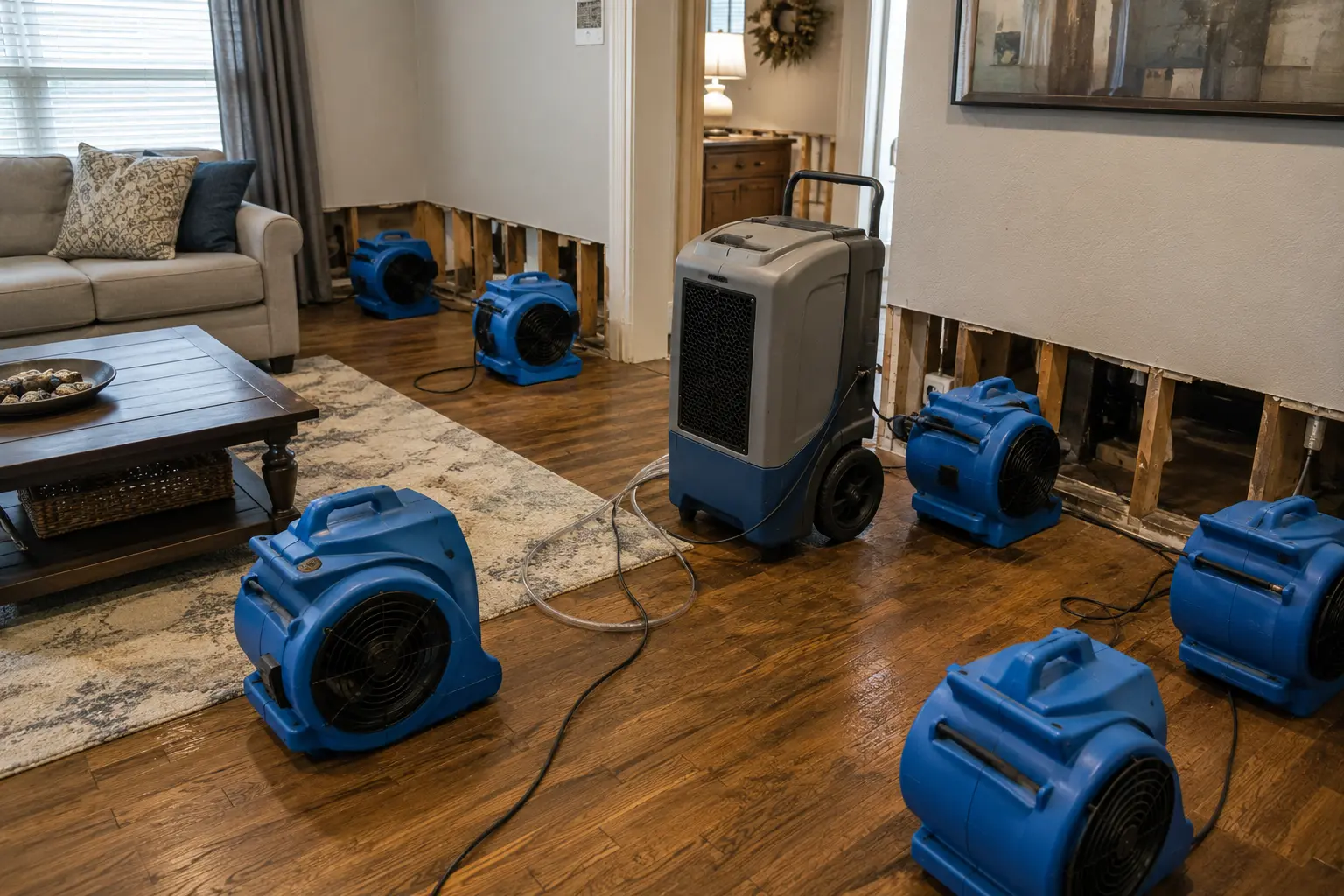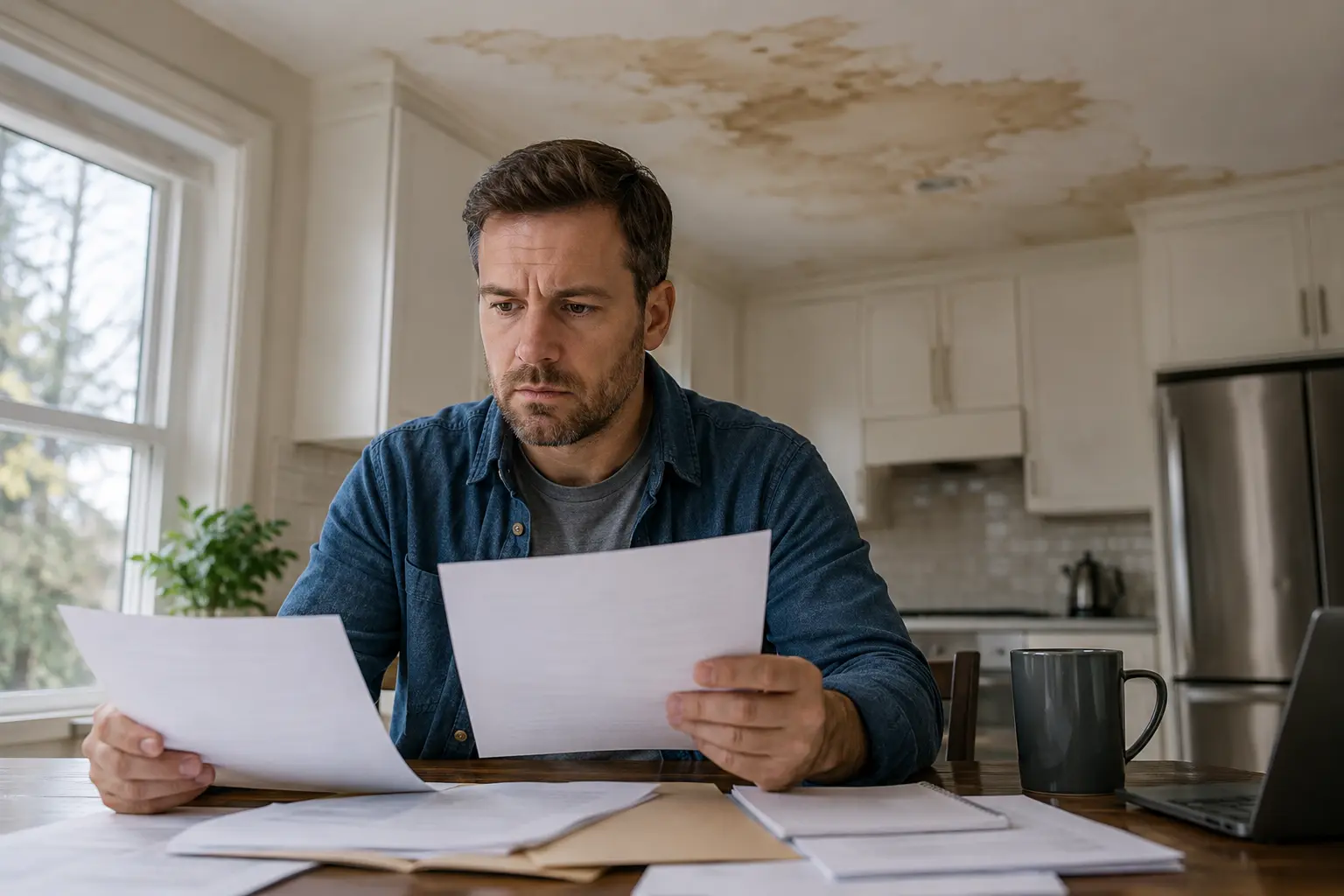
When water damage strikes your Los Angeles home, the clock starts ticking on more than just wet carpets and soaked drywall. Within hours, conditions become ideal for mold growth, and what begins as a small moisture problem can quickly escalate into a serious health hazard and costly remediation project.
Understanding exactly how fast mold develops after water damage helps property owners respond appropriately and protect their homes from long-term contamination.
The 24 to 48-Hour Window: When Mold Colonization Begins
Mold spores exist naturally in indoor and outdoor environments throughout Los Angeles. Under normal conditions, these dormant spores remain harmless. However, when water damage introduces moisture into building materials, everything changes.
Mold colonization typically begins within 24 to 48 hours after water exposure. This short timeline means that immediate action is critical after any water damage event, whether from a burst pipe, roof leak, or storm flooding.
During the first 24 hours, water soaks into porous materials like drywall, insulation, carpet padding, and wood framing. These materials create the perfect environment for mold spores to activate and begin spreading. Temperature, humidity levels, and the type of water involved all influence how quickly mold takes hold.
In Los Angeles’s mild climate, indoor temperatures often remain in the ideal range for mold growth year-round, which means properties face mold risk regardless of the season.
Hour-by-Hour Timeline: What Happens After Water Damage
Understanding the progression of water damage and mold growth helps property owners recognize the urgency of professional water extraction and structural drying.
Within 1 Hour
Water begins penetrating porous materials. Drywall starts absorbing moisture, carpet padding becomes saturated, and water spreads beneath flooring. At this stage, rapid water extraction can prevent most damage.
1 to 24 Hours
Drywall swells and weakens. Wood flooring begins warping. Metal surfaces start showing signs of tarnish and corrosion. Furniture absorbs water, causing staining and structural damage. Photographs, books, and important documents deteriorate if exposed.
24 to 48 Hours
Mold spores activate and begin colonizing damp surfaces. Musty odors start developing. Drywall deteriorates further and may require replacement. Wood continues swelling and warping. This is the critical window where professional structural drying and dehumidification becomes essential.
48 Hours to 1 Week
Visible mold growth appears on walls, ceilings, and other surfaces. Growth accelerates rapidly as colonies spread. Serious structural damage develops in framing, subflooring, and support materials. Health risks increase as airborne spore counts rise throughout the property.
1 Week and Beyond
Extensive mold contamination requires full mold remediation services. Structural damage may require major reconstruction. Restoration costs increase significantly compared to immediate mitigation. Long-term health effects become a serious concern for occupants.
Factors That Accelerate Mold Growth
Several conditions determine how quickly mold colonizes after water damage in Los Angeles properties:
Humidity Levels: Mold thrives in environments with relative humidity above 60%. After water damage, enclosed spaces like wall cavities and under-floor areas often maintain high humidity even after visible water is removed.
Temperature: Mold grows fastest in temperatures between 77°F and 86°F. Los Angeles’s moderate climate provides ideal conditions year-round, particularly during warmer months.
Type of Water: Clean water from supply line failures presents lower contamination risk initially. However, gray water from appliances or black water from sewage creates conditions where bacteria and mold grow even faster. Sewage cleanup situations require immediate professional attention.
Building Materials: Porous materials like drywall, insulation, ceiling tiles, carpet, and wood absorb water quickly and provide ideal surfaces for mold colonization. Non-porous materials like metal and glass resist mold but can still harbor growth in surrounding areas.
Ventilation: Poor air circulation in enclosed spaces like basements, crawlspaces, and wall cavities slows evaporation and maintains the damp conditions mold needs to thrive.
Hidden Mold Growth Behind Walls and Ceilings
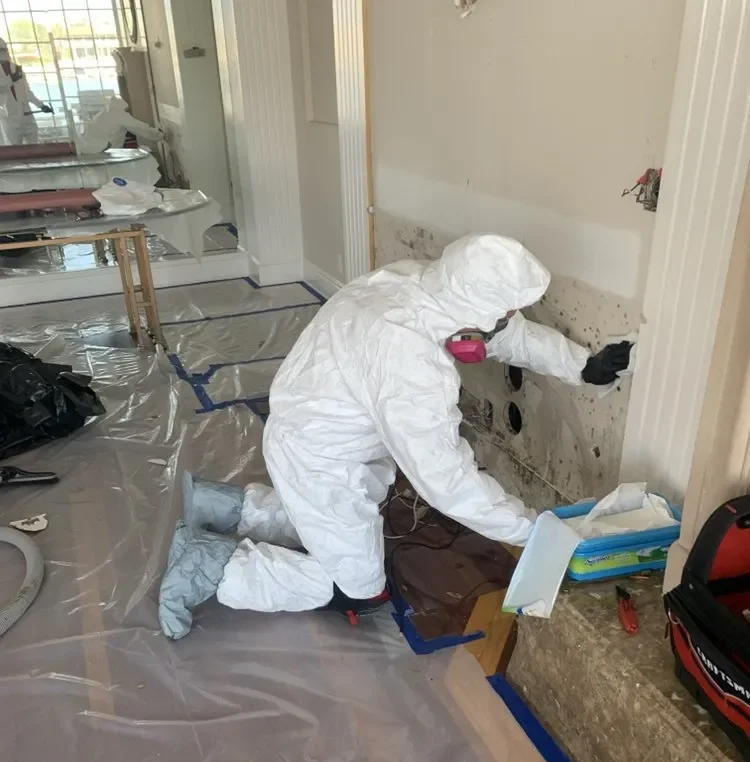
One of the most dangerous aspects of post-water-damage mold is that much of it develops in areas property owners cannot see. Water travels through wall cavities, beneath flooring, and above ceilings, creating hidden moisture pockets where mold colonizes undetected.
By the time visible mold appears on walls or ceilings, extensive growth may already exist behind the surface. This is why professional thermal imaging and moisture detection is critical after any water damage event.
Professional moisture meters and infrared cameras locate trapped water that would otherwise remain hidden until serious damage develops. Identifying these moisture pockets early allows restoration technicians to dry structural materials properly and prevent mold from establishing colonies in concealed areas.
Why Professional Water Damage Restoration Prevents Mold
Property owners sometimes attempt to handle water damage cleanup themselves using household fans and dehumidifiers. While this approach may remove visible surface water, it rarely addresses the moisture that penetrates into structural materials.
Professional water damage restoration provides several critical advantages:
Industrial-Grade Equipment: Commercial air movers and dehumidifiers remove moisture far more effectively than consumer-grade equipment. These systems target hidden moisture in wall cavities, subflooring, and insulation.
Moisture Monitoring: Certified technicians use professional moisture meters to track drying progress and confirm that affected materials reach proper moisture content levels before restoration is complete.
Antimicrobial Treatment: When needed, restoration professionals apply EPA-registered antimicrobial solutions to prevent microbial growth on treated surfaces during the drying process.
Structural Knowledge: Experienced technicians understand how water travels through different building materials and construction types. This knowledge ensures all affected areas receive proper attention.
Time Efficiency: Professional restoration teams work quickly to complete water extraction and structural drying within the critical 24 to 48-hour window, preventing mold colonization before it begins.
Our 24/7 emergency water damage restoration team responds rapidly throughout Los Angeles to provide immediate mitigation services and prevent mold growth.
Health Risks of Mold Exposure
Mold doesn’t just damage building materials. It creates serious health risks for property occupants, particularly vulnerable populations like children, elderly individuals, and those with respiratory conditions.
Common health effects of mold exposure include:
- Respiratory irritation and difficulty breathing
- Persistent coughing and wheezing
- Nasal congestion and sinus infections
- Eye irritation and watery eyes
- Skin rashes and irritation
- Headaches and fatigue
- Asthmatic reactions in sensitive individuals
Some mold species produce mycotoxins that can cause more severe health effects with prolonged exposure. Black mold (Stachybotrys chartarum) is particularly concerning and requires professional remediation.
The longer mold remains in a property, the higher the concentration of airborne spores and the greater the health risk. This is another reason why rapid response to water damage is essential.
Preventing Mold After Water Damage: Immediate Actions
When water damage occurs, taking immediate action reduces mold risk significantly:
- Contact Professional Restoration Services Immediately: Call our emergency response team as soon as water damage is discovered. The faster professionals begin extraction and drying, the lower the mold risk.
- Stop the Water Source: If possible, shut off the water supply to prevent additional water from entering the property. For burst pipe cleanup, turn off the main water valve.
- Remove Standing Water: Use mops, towels, or a wet vacuum to remove as much standing water as possible while waiting for professional help to arrive.
- Increase Air Circulation: Open windows and doors if weather permits. Turn on fans to promote airflow and help surface moisture evaporate.
- Remove Wet Items: Take wet furniture, rugs, and personal belongings outside to dry if possible. This reduces the moisture load inside the structure.
- Document the Damage: Take photos and videos for insurance purposes before moving items or beginning cleanup.
When Mold Remediation Becomes Necessary
If more than 48 hours pass before water damage is properly addressed, or if moisture remains trapped in structural materials, mold growth becomes highly likely. At this point, professional mold remediation is necessary to remove contamination safely.
Our mold remediation services include:
- Mold inspection and air testing to identify contamination levels
- HEPA filtration and containment to prevent spore spread during removal
- Safe mold removal from affected materials and surfaces
- Post-remediation testing to verify successful removal
- Odor elimination to restore indoor air quality
Attempting DIY mold removal often spreads spores throughout the property and creates larger contamination problems. Professional remediation follows strict IICRC protocols to contain, remove, and verify mold elimination properly.
Insurance Coverage for Water Damage and Mold
Most homeowner insurance policies cover sudden and accidental water damage, including the cost of professional restoration services. However, coverage for mold remediation varies depending on the cause and timing of the damage.
Insurance typically covers mold remediation when:
- Mold results from a covered water damage event
- The property owner took reasonable steps to mitigate damage
- Professional restoration began promptly after discovery
Insurance may deny mold claims when:
- Damage resulted from long-term neglect or deferred maintenance
- The property owner delayed reporting or failed to mitigate promptly
- Mold developed due to persistent moisture problems unrelated to a covered event
We provide detailed documentation, moisture readings, and photographic evidence to support insurance claims. Our team works directly with insurance adjusters to help expedite the claims process and reduce delays.
The Cost of Delayed Response
Many property owners hesitate to call professional restoration services due to cost concerns. However, delaying response to water damage almost always results in higher total costs.
Immediate professional restoration typically costs:
- Water extraction and drying: $2,000 – $4,000 for average residential losses
- Minor material replacement if needed: $500 – $2,000
Delayed response with mold contamination typically costs:
- Full mold remediation: $3,000 – $10,000+ depending on extent
- Major material replacement: $5,000 – $20,000+
- Structural repairs: $10,000 – $50,000+ for severe cases
Beyond financial costs, delayed response creates:
- Extended displacement from the property during restoration
- Increased health risks for occupants
- Potential insurance coverage complications
- Greater stress and disruption
Los Angeles-Specific Mold Risks
While Los Angeles has a dry climate compared to many regions, water damage events still create serious mold risks. Local factors that increase mold potential include:
Older Housing Stock: Many Los Angeles properties were built before modern moisture control standards. Older plumbing systems, roof structures, and building materials increase water damage risk.
Flash Flooding: When rare heavy rains occur, Los Angeles properties can experience rapid flooding, particularly in low-lying areas and properties with poor drainage.
Plumbing Failures: Aging galvanized pipes in older neighborhoods increase burst pipe risk. High water pressure in hillside areas can stress plumbing systems.
Seasonal Temperature Swings: Temperature differences between morning and evening can create condensation in wall cavities and attics, particularly in poorly insulated structures.
Earthquake Risk: Ground movement from seismic activity can damage water supply lines and create hidden leaks inside walls and foundations.
Why Speed Matters: The 24-Hour Advantage
The most important factor in preventing mold after water damage is response time. Professional restoration within 24 hours dramatically reduces mold risk compared to waiting even 48 hours.
We maintain a rapid 24/7 emergency response throughout Los Angeles with an average arrival time of 60 minutes in most neighborhoods. Our team brings professional extraction equipment, commercial drying systems, and moisture detection tools to every emergency call.
When you contact us immediately after water damage:
- Water extraction begins within the first critical hours
- Structural drying prevents moisture from penetrating deeper into materials
- Moisture monitoring ensures complete drying
- Mold prevention measures protect your property
- Insurance documentation supports your claim
- Your property returns to normal use faster
Does water damage always mean mold?
No. Water damage does not always lead to mold, and that’s the most important thing to understand here.
If the affected area is fully dried within 24 to 48 hours, mold growth can often be prevented entirely. Mold becomes likely only when:
- Water sits unaddressed for more than two days.
- Moisture is trapped inside walls, under flooring, or above ceilings where air can’t reach it.
- Only the visible surface is dried while hidden materials stay wet, a common DIY mistake.
That last point is the one that catches people. A floor can feel dry to the touch while the subfloor and wall cavities behind it are still saturated. This is exactly what professional thermal imaging and moisture detection are built to catch, and why a surface that looks fine can still be growing mold out of sight.
What kind of mold grows from water damage?
Several mold species commonly grow after water damage. The most frequent are Stachybotrys, Aspergillus, Penicillium, Cladosporium, and Alternaria.
The type that grows depends on the surface, how wet it stayed, and for how long. Only laboratory testing can confirm the exact species, but here’s what each typically looks like and where it shows up.
A quick note on “black mold,” the term everyone worries about: color alone doesn’t tell you the species or how serious it is, and only testing can confirm what you’re dealing with. The smarter move is to treat any mold after water damage as a signal to dry and inspect, rather than trying to identify it by sight.
Early Signs of Mold in Your Home
Spotting mold early can save time and money. Common indicators include:
- Musty, earthy, or damp odors
- Discoloration on walls, ceilings, or floors (black, green, or brown spots)
- Warping, bubbling, or peeling paint and wallpaper
- Allergic reactions in family members such as sneezing, coughing, or itchy eyes
Mold can grow in hidden areas, such as behind walls, under carpets, or inside HVAC systems.
Contact ASAP Water Damage Restoration Los Angeles
Mold growth after water damage is not inevitable, but it requires professional intervention within the critical 24 to 48-hour window. Our IICRC-certified team provides comprehensive water damage restoration services throughout Los Angeles, combining rapid emergency response with thorough structural drying to prevent mold colonization.
Don’t wait for visible mold to appear. Contact us immediately after any water damage event.
Call (323) 677-2811 for 24/7 emergency water damage restoration in Los Angeles.
We serve residential and commercial properties throughout Los Angeles, including Hollywood Heights, Koreatown, West Los Angeles, and all surrounding neighborhoods.