Many Los Angeles homeowners believe that once visible water disappears and surfaces feel dry to the touch, water damage has been resolved. This dangerous misconception leads to serious mold problems weeks or months after the initial water event.
The reality is that water damage extends far beyond what you can see or feel on the surface. Even when floors and walls appear completely dry, significant moisture can remain trapped in structural materials, creating ideal conditions for mold growth that develops hidden from view.
Understanding the difference between surface drying and structural drying is critical for preventing mold contamination after water damage.
Surface Drying vs. Structural Drying
When water damage occurs, moisture penetrates multiple layers of building materials. While surface water evaporates relatively quickly with air circulation, water trapped in deeper structural components requires professional drying equipment and techniques.
What Surface Drying Accomplishes
Opening windows, running fans, and using household dehumidifiers removes visible surface water and helps dry:
- Carpet surfaces and rugs
- Hard flooring surfaces
- Wall paint and wallpaper surfaces
- Exposed wood and furniture surfaces
- Visible ceiling materials
Surface drying makes a property feel and look dry within 24 to 48 hours. This creates false confidence that water damage has been resolved.
What Surface Drying Misses
The following materials and areas retain moisture long after surfaces appear dry:
Drywall Interior: The gypsum core of drywall acts like a sponge, absorbing water deep into the material. While the painted surface may dry quickly, moisture remains trapped inside for days or weeks.
Wall Cavities: Water runs down inside wall cavities between studs, pooling at the bottom plate or soaking into insulation. This moisture never makes contact with household fans.
Subfloors: Beneath carpet or hard flooring, plywood or OSB subflooring absorbs significant water. Surface drying cannot access this trapped moisture.
Insulation: Wall and ceiling insulation holds moisture like a sponge and dries extremely slowly without professional extraction methods.
Wood Framing: Structural lumber, studs, and floor joists absorb water gradually and release it slowly, often retaining elevated moisture levels for weeks.
Concrete and Masonry: While concrete surfaces may appear dry, moisture penetrates deeply and can remain trapped for months without proper drying procedures.
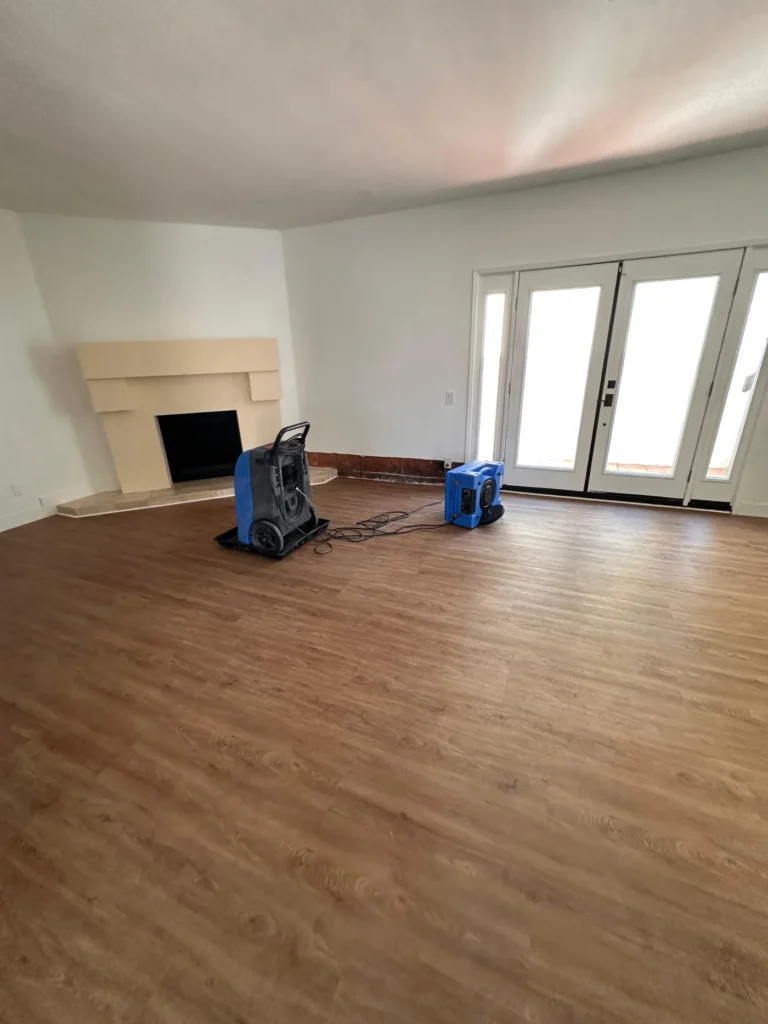
Professional structural drying and dehumidification addresses these hidden moisture reservoirs that surface drying cannot reach.
How Mold Develops in Seemingly Dry Materials
Mold spores exist naturally throughout indoor and outdoor environments. Under normal dry conditions, these spores remain dormant and harmless. When moisture and organic materials meet, spores activate and begin colonizing.
The mold growth process does not require visible standing water. Mold develops successfully in materials with elevated moisture content, even when those materials feel dry to the touch.
Critical Moisture Threshold
Building materials become susceptible to mold growth when moisture content exceeds specific thresholds:
- Wood materials: 20% moisture content or higher
- Drywall: 1% moisture content or higher
- Concrete: Variable, depending on temperature and ambient humidity
These moisture levels are well below what creates visible wetness or wet-to-the-touch sensations. Materials can contain sufficient moisture to support mold growth while appearing completely dry.
The 24 to 48-Hour Colonization Window
Once materials reach critical moisture levels, mold colonization begins within 24 to 48 hours. This short timeline means that materials which feel dry on day three after water damage can already harbor active mold growth beneath the surface.
Surface drying does nothing to prevent this colonization because the moisture supporting mold growth exists where household fans cannot reach.
Hidden Mold Growth Patterns
Mold developing after surface drying typically grows:
Inside Wall Cavities: Behind drywall where trapped moisture and cellulose-based materials provide ideal conditions. Growth remains completely invisible until it becomes severe enough to show through paint or wallpaper.
Beneath Flooring: Under carpet padding, beneath laminate or engineered flooring, and on plywood subfloors where moisture accumulates without ventilation.
Inside Ceiling Spaces: Above ceiling drywall where roof leaks or plumbing failures create moisture that never reaches living spaces visibly.
Within Insulation: Throughout fiberglass or cellulose insulation where moisture distributes evenly and provides extensive surface area for colonization.
By the time property owners discover this hidden growth, extensive contamination often exists, requiring professional mold remediation services.
Why Household Drying Methods Fail
Many property owners attempt to dry water damage using consumer equipment, believing these efforts will prevent mold growth. While well-intentioned, household drying methods have significant limitations.
Consumer Fans vs. Commercial Air Movers
Household Box Fans:
- Move 1,000 to 3,000 cubic feet per minute (CFM)
- Create general air circulation
- Cannot focus airflow on specific areas
- Insufficient power to affect moisture in structural cavities
Professional Air Movers:
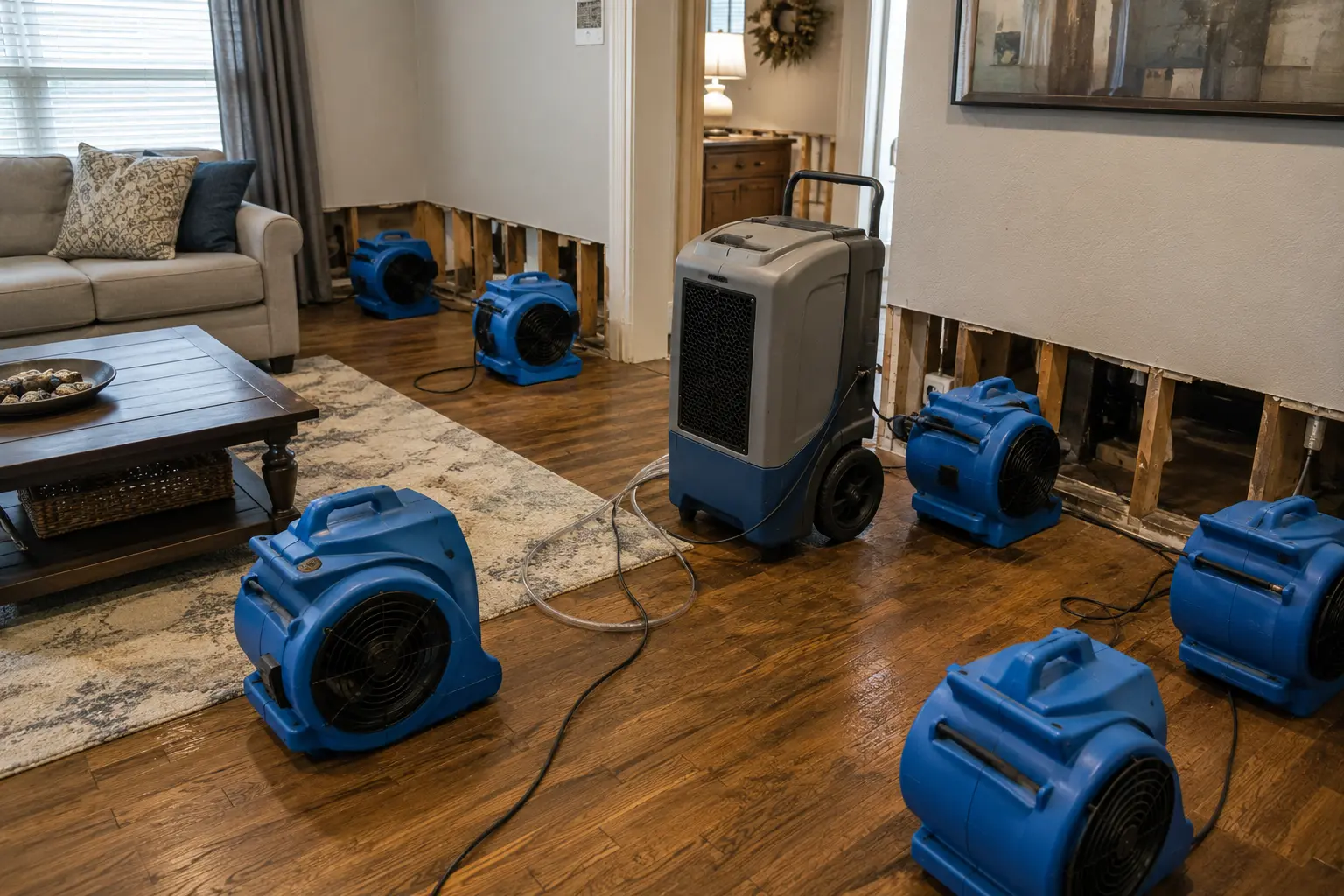
- Move 2,000 to 6,000 CFM per unit
- Create focused, high-velocity airflow
- Position strategically to target specific materials
- Multiple units work together to create comprehensive drying patterns
The difference in power and strategic deployment means commercial equipment dries structural materials in days while household fans require weeks and often fail completely.
Portable Dehumidifiers vs. Commercial Dehumidifiers
Consumer Dehumidifiers:
- Remove 30 to 70 pints of moisture per day
- Cover single rooms effectively
- Limited capacity for structural drying
- Require frequent emptying or drain setup
Commercial Dehumidifiers:
- Remove 100 to 300+ pints per day
- Handle entire properties or multiple rooms
- Designed specifically for structural drying applications
- Continuous operation without interruption
A typical residential water damage event requires removing hundreds of gallons of moisture from building materials. Consumer dehumidifiers simply lack the capacity to accomplish this task within the critical timeframe that prevents mold growth.
No Moisture Monitoring
Perhaps the most critical limitation of DIY drying is the absence of moisture monitoring. Without professional moisture meters, property owners have no way to determine:
- Whether materials have actually dried
- How deeply moisture has penetrated
- When drying is complete
- Which areas require continued attention
Relying on touch or appearance creates false confidence while hidden moisture supports mold colonization.
Real-World Example: The False Security of Surface Drying
A common scenario demonstrates why surface drying fails:
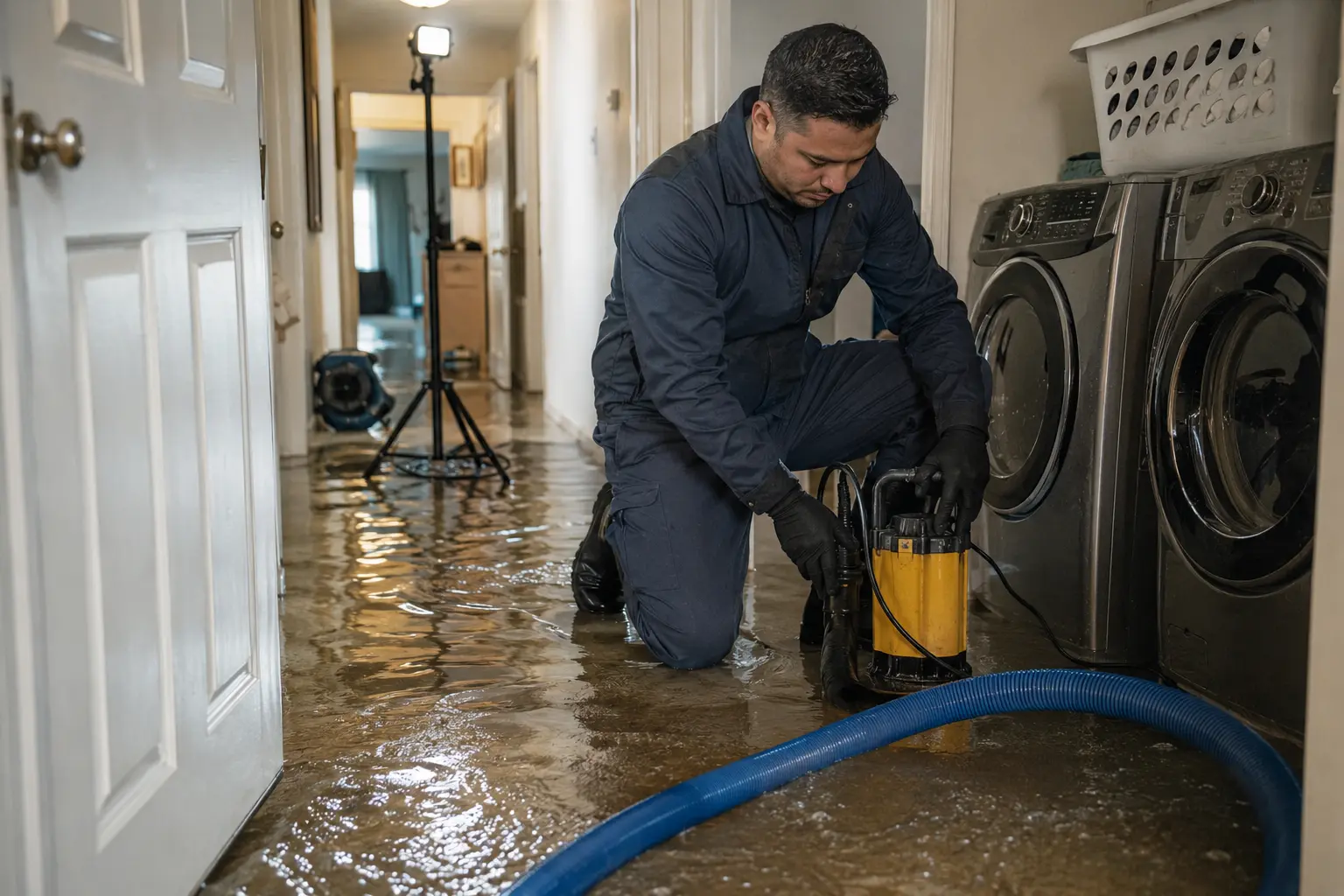
A burst washing machine supply line releases 50 gallons of water before the homeowner discovers the problem. The water spreads across the laundry room floor and into an adjacent hallway.
Day 1: The homeowner extracts standing water with towels and a shop vacuum, then sets up two box fans and a portable dehumidifier. By evening, the floor surface feels mostly dry.
Day 2: The floor feels completely dry. The fans have been running continuously. The homeowner believes the problem is resolved and removes the drying equipment.
Reality Behind the Scenes:
- Water penetrated beneath the laminate flooring into the plywood subfloor
- Moisture wicked up into the bottom 12 inches of drywall
- Water entered wall cavities and saturated insulation
- The wood base plates beneath the walls absorbed significant moisture
None of this hidden moisture was affected by the surface drying efforts. Within 48 hours of the original water event, mold spores activate on the damp subfloor, inside the wall cavities, and throughout the saturated insulation.
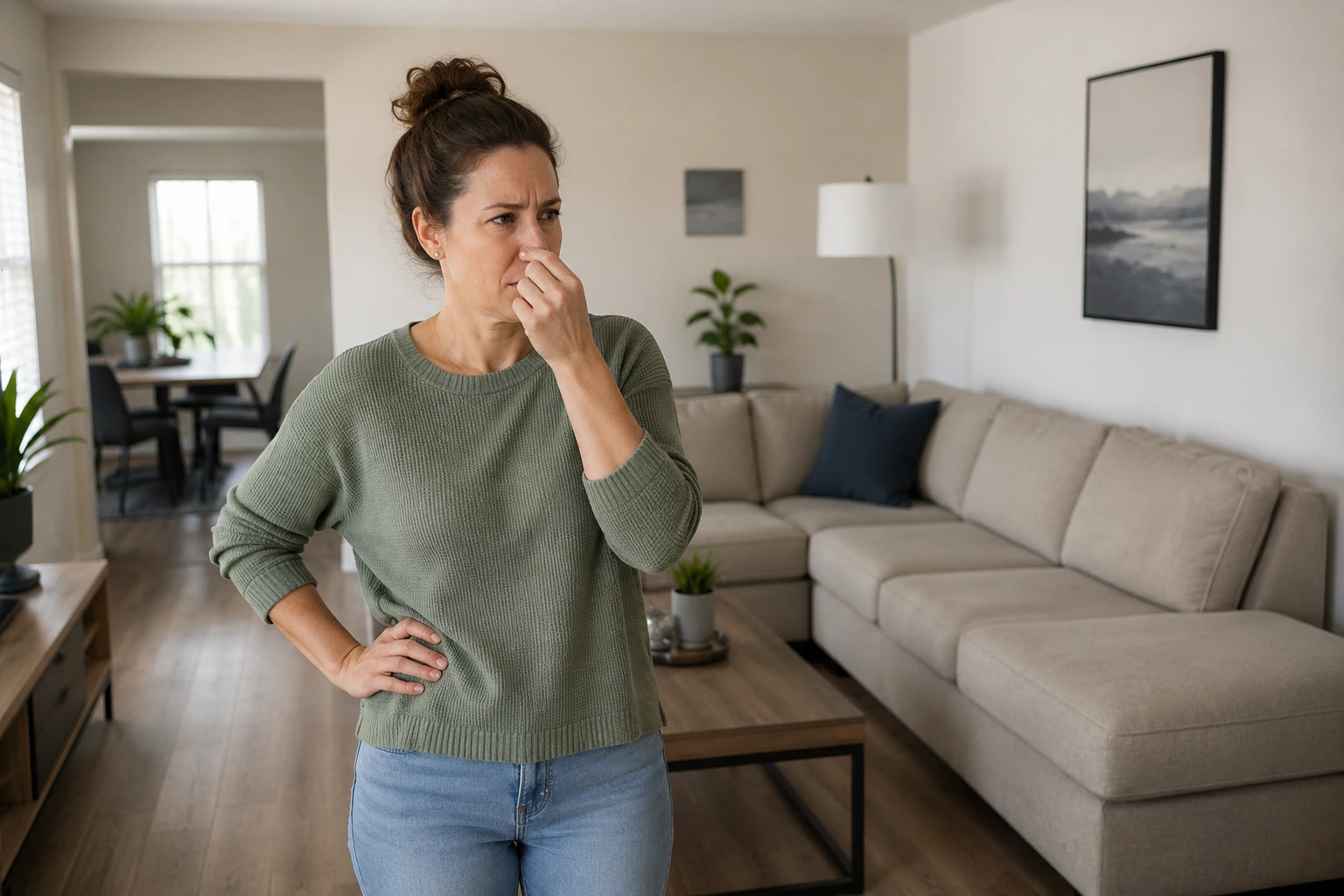
Week 2: The homeowner notices a musty odor but attributes it to normal humidity.
Month 1: Black spots appear along the baseboard. The laminate flooring begins buckling.
Month 3: Extensive mold growth requires professional remediation including removal of flooring, drywall, and insulation. Total costs exceed $15,000.
Had professional water extraction and structural drying been performed within the first 24 hours, total costs would have been $2,000 to $4,000 with no mold development.
This scenario repeats across Los Angeles daily. Surface drying creates false security while hidden moisture destroys properties.
The Professional Moisture Detection Difference
Professional water damage restoration begins with comprehensive moisture detection that reveals the full extent of water penetration.
Thermal Imaging Technology
Infrared cameras detect temperature differences caused by moisture. Water-saturated materials appear cooler than dry areas due to evaporation.
Our thermal imaging inspection services scan walls, floors, and ceilings to:
- Identify moisture behind surfaces without demolition
- Map the full extent of water penetration
- Locate moisture pathways through structures
- Verify drying progress throughout restoration
Thermal imaging reveals what appears dry to the eye but remains dangerously wet structurally.
Moisture Meter Verification
Professional moisture meters provide precise measurements of water content in building materials:
Pin-Type Meters: Insert pins into materials and measure electrical resistance, which changes with moisture content. These verify exact moisture levels at specific points.
Non-Invasive Meters: Scan surfaces without penetration, detecting moisture several inches deep. These identify affected areas quickly before using pin meters for verification.
Professional technicians establish moisture baselines for each material type, then monitor daily until readings confirm complete drying.
Scientific Drying Documentation
Throughout the drying process, technicians maintain detailed records showing:
- Initial moisture readings by material and location
- Daily moisture measurements tracking drying progress
- Equipment positioning and adjustments
- Temperature and humidity monitoring
- Verification that materials reach proper moisture content
This documentation ensures thorough drying and provides evidence for insurance claims.
Health Risks of Hidden Mold Growth
Mold developing in materials that appear dry creates serious health risks because property occupants have no reason to suspect contamination.
Indoor Air Quality Degradation
As mold colonies grow behind walls and beneath flooring, they release spores into the air continuously. These airborne spores circulate throughout the property via HVAC systems and natural air movement.
Occupants breathe contaminated air daily without realizing the source of their symptoms.
Common Health Effects
Mold exposure causes various health problems:
- Respiratory irritation and coughing
- Nasal congestion and sinus infections
- Asthma attacks and breathing difficulty
- Eye irritation and watery eyes
- Skin rashes and irritation
- Persistent headaches
- Chronic fatigue
These symptoms often develop gradually, making the connection to hidden mold growth difficult to identify.
Vulnerable Populations
Children, elderly individuals, and people with compromised immune systems or existing respiratory conditions experience more severe effects from mold exposure.
Professional Air Testing
When mold is suspected, professional mold inspection and air testing measures airborne spore concentrations and identifies specific mold species present.
Air testing provides:
- Baseline contamination levels
- Verification that remediation was successful
- Evidence for health-related insurance claims
- Peace of mind regarding indoor air quality
Signs That Mold Is Growing After Water Damage
Several indicators suggest mold has developed despite surface drying efforts:
Musty Odors: Persistent earthy or musty smells indicate active mold growth somewhere in the structure. The odor often strengthens in humid weather or when the HVAC system operates.
Visible Mold: Black, green, or white spots appearing on walls, baseboards, or ceiling corners indicate surface colonization. Visible mold always suggests more extensive growth behind surfaces.
Returning Moisture: If materials feel damp again weeks after water damage, moisture remains trapped in structural components and continues supporting mold growth.
Increased Allergy Symptoms: Occupants developing new allergy symptoms or experiencing worsening respiratory issues may be reacting to elevated airborne mold spores.
Wall Discoloration: Staining or discoloration appearing on walls weeks after water damage often indicates mold growth bleeding through from behind the drywall.
Warped Materials: Flooring that begins warping or buckling days or weeks after appearing to dry completely suggests continued moisture presence beneath the surface.
Any of these symptoms requires immediate professional moisture assessment and potential mold remediation.
How Long Can Trapped Moisture Support Mold?
Moisture trapped in building materials can support mold growth for extended periods:
Drywall: Wet drywall that air-dries from the surface inward can retain interior moisture for 2 to 4 weeks. Mold colonization begins within the first 48 hours and continues throughout this period.
Wood Framing: Structural lumber can hold elevated moisture content for 4 to 8 weeks when surrounded by wet insulation or confined in wall cavities. Mold and wood rot develop progressively during this time.
Insulation: Saturated fiberglass or cellulose insulation rarely dries effectively without removal. Moisture can persist for months, providing ongoing mold growth conditions.
Concrete: Moisture penetrating concrete can remain trapped for months or even years, gradually evaporating. Mold grows on any organic materials in contact with damp concrete during this period.
The longer moisture remains in structural materials, the more extensive mold contamination becomes. Early intervention prevents minor problems from becoming major remediation projects.
Categories of Water and Mold Risk
Different types of water create varying mold risks:
Category 1: Clean Water
Water from supply lines or fixtures starts relatively clean but deteriorates quickly as it contacts building materials and sits stagnant.
Mold Risk: High if not dried within 24-48 hours. Clean water becomes Category 2 within hours as it absorbs contaminants from materials.
Category 2: Gray Water
Water from washing machines, dishwashers, or toilet overflows without feces contains some contamination.
Mold Risk: Very high. Bacteria present in gray water accelerates material deterioration and creates conditions where mold grows even faster than in clean water scenarios.
Category 3: Black Water
Sewage backups, toilet overflows with feces, or floodwater contain harmful pathogens.
Mold Risk: Extreme. Black water contamination requires removal of all porous materials. Any materials left in place almost certainly develop dangerous mold growth.
Understanding water categories helps property owners recognize when professional restoration is absolutely necessary versus situations where limited DIY efforts might suffice temporarily.
The Cost Difference: Immediate Professional Drying vs. Later Mold Remediation
Property owners often delay professional restoration due to cost concerns, believing DIY methods will save money. The financial reality is the opposite:
Immediate Professional Water Damage Restoration:
- Emergency response: $200-$500
- Water extraction: $500-$1,500
- Structural drying (3-7 days): $1,500-$3,000
- Minor reconstruction if needed: $500-$2,000
- Total: $2,700-$7,000 average
Delayed Response Requiring Mold Remediation:
- Mold inspection and testing: $400-$800
- Full mold remediation: $3,000-$10,000+
- Major material replacement: $5,000-$15,000
- Structural repairs: $3,000-$20,000
- Temporary lodging during work: $2,000-$5,000
- Total: $13,400-$50,800+ average
Beyond financial costs, delayed response creates:
- Extended displacement from the property
- Serious health risks for occupants
- Potential insurance complications
- Greater stress and disruption
Professional water damage restoration within 24 hours prevents mold growth entirely, eliminating the need for costly remediation later.
Why Professional Certification Matters
IICRC (Institute of Inspection, Cleaning and Restoration Certification) certification ensures restoration technicians follow established industry standards for water damage mitigation and structural drying.
Certified technicians understand:
- Psychrometric principles governing evaporation and dehumidification
- Proper moisture meter usage and interpretation
- Appropriate equipment selection and placement
- Material-specific drying requirements
- Safety procedures for contaminated water
Our team maintains current IICRC certifications and follows documented protocols for every restoration project. This professional approach ensures materials dry properly and mold prevention is successful.
Insurance Coverage Considerations
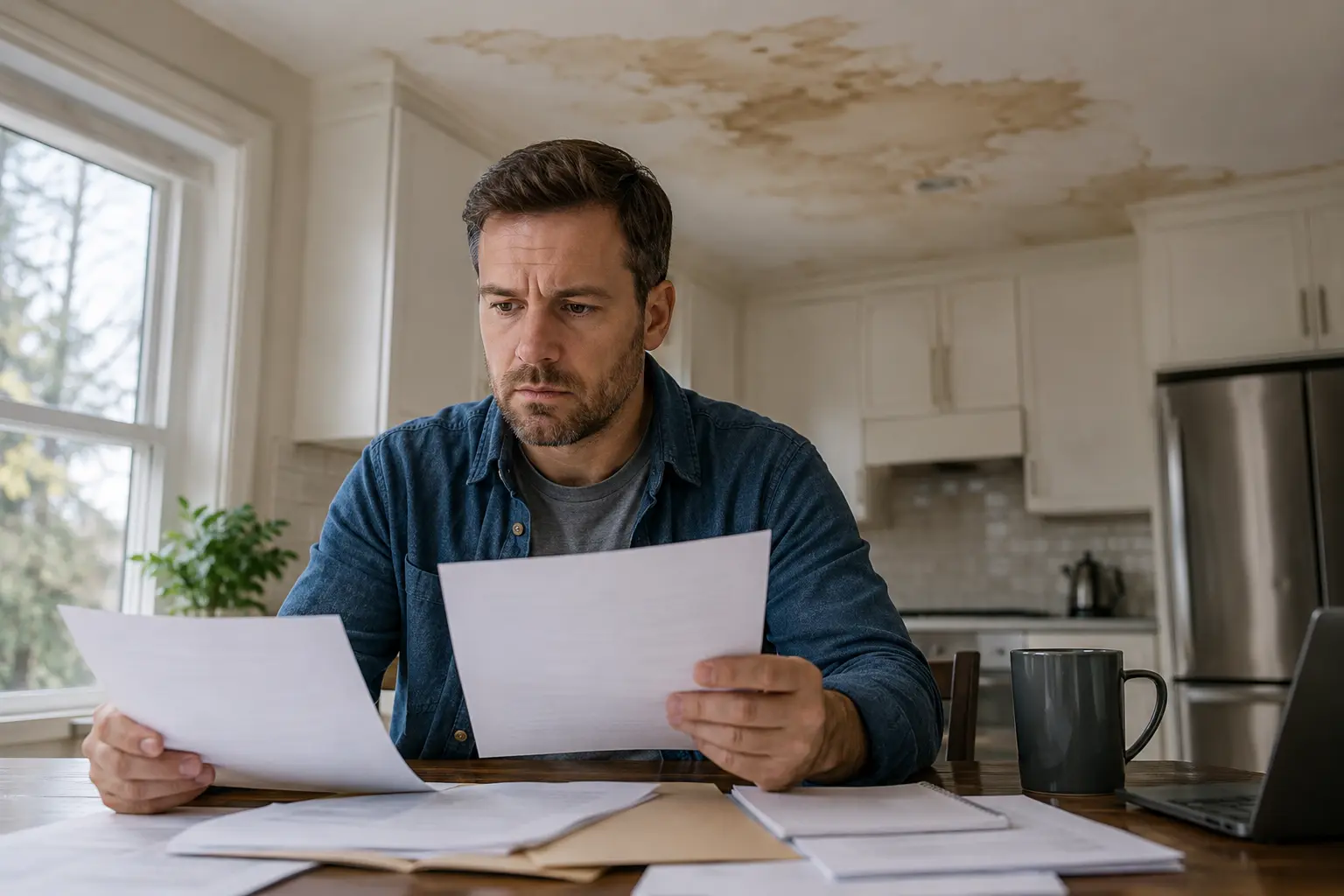
Most homeowner insurance policies cover professional water damage restoration when damage results from sudden and accidental events. However, coverage for mold remediation varies significantly.
Generally Covered:
- Professional water extraction and drying services
- Immediate mitigation costs
- Mold remediation when it results directly from a covered water damage event and the property owner took reasonable steps to mitigate
Often Not Covered:
- Mold resulting from deferred maintenance
- Damage that develops because the property owner failed to mitigate promptly
- Contamination from long-term moisture problems
To protect insurance coverage:
- Contact professional restoration services immediately after water damage
- Document all damage thoroughly
- Maintain records of mitigation efforts
- Report damage to your insurer promptly
We work directly with insurance companies and provide detailed documentation to support claims. Our restoration estimates and moisture readings help adjusters understand the scope of necessary work.
Prevention Is Always Better Than Remediation
The most effective way to prevent mold after water damage is immediate professional intervention:
- Call Restoration Services Immediately: Contact our 24/7 emergency response team as soon as water damage is discovered.
- Allow Professional Assessment: Let certified technicians evaluate the full extent of moisture penetration using thermal imaging and moisture meters.
- Trust the Process: Professional structural drying takes 3-7 days on average. This timeline ensures materials reach proper moisture content and prevents mold growth.
- Verify Completion: Final moisture readings confirm that all affected materials have dried completely before equipment removal.
Following this process eliminates mold risk and protects your property investment.
Contact ASAP Water Damage Restoration Los Angeles
Just because water damage looks dry does not mean it is dry structurally. Hidden moisture in walls, subfloors, and insulation creates ideal conditions for mold growth that develops while property owners believe the problem has been resolved.
Our IICRC-certified team provides professional moisture detection, water extraction, and structural drying services throughout Los Angeles. We use advanced thermal imaging, commercial dehumidifiers, and professional monitoring to ensure complete drying that prevents mold colonization.
Call (323) 677-2811 immediately after water damage for professional restoration.
We serve residential and commercial properties throughout Los Angeles, including West Hollywood, Pico-Union, Lincoln Heights, and all surrounding areas.
Don’t trust surface drying. Trust professional structural drying that prevents mold growth.
Keep reading
- How Quickly Does Mold Grow After Water Damage?
- Why Does Mold Keep Coming Back After Cleanup?
- Mold Removal vs Mold Remediation vs Mold Abatement: What’s the Difference?
Need help now? See our Mold remediation in Los Angeles or call (323) 677-2811, 24/7.