Soot, Smoke and Odor Cleanup Across Los Angeles
Once the fire is out, rooms may look nearly normal, yet acidic soot keeps settling on walls, fabrics and metal, staining and corroding surfaces daily.
Our crews remove visible soot and the hidden residue packed inside ducts and attic insulation, then neutralize odor at its source rather than masking it.
IICRC-trained technicians | HEPA soot removal | Odor neutralized at the source | Wildfire smoke cleanup | Insurance documentation
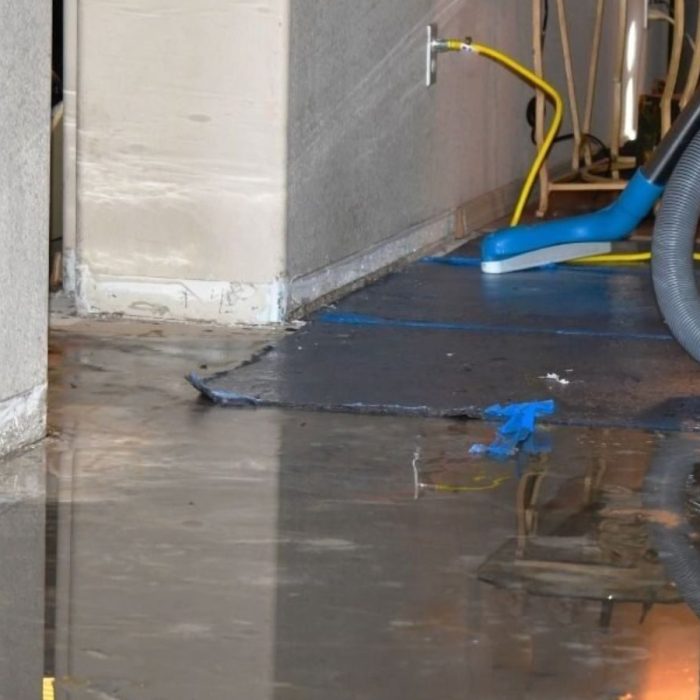
Smoke damage restoration removes soot, residue and odor from a home and all its contents, using cleaning methods matched to whatever actually burned inside it.
That means testing the residue before anything is wiped, treating ducts and attic insulation as part of the job, and breaking down odor molecules instead of covering them with fragrance.
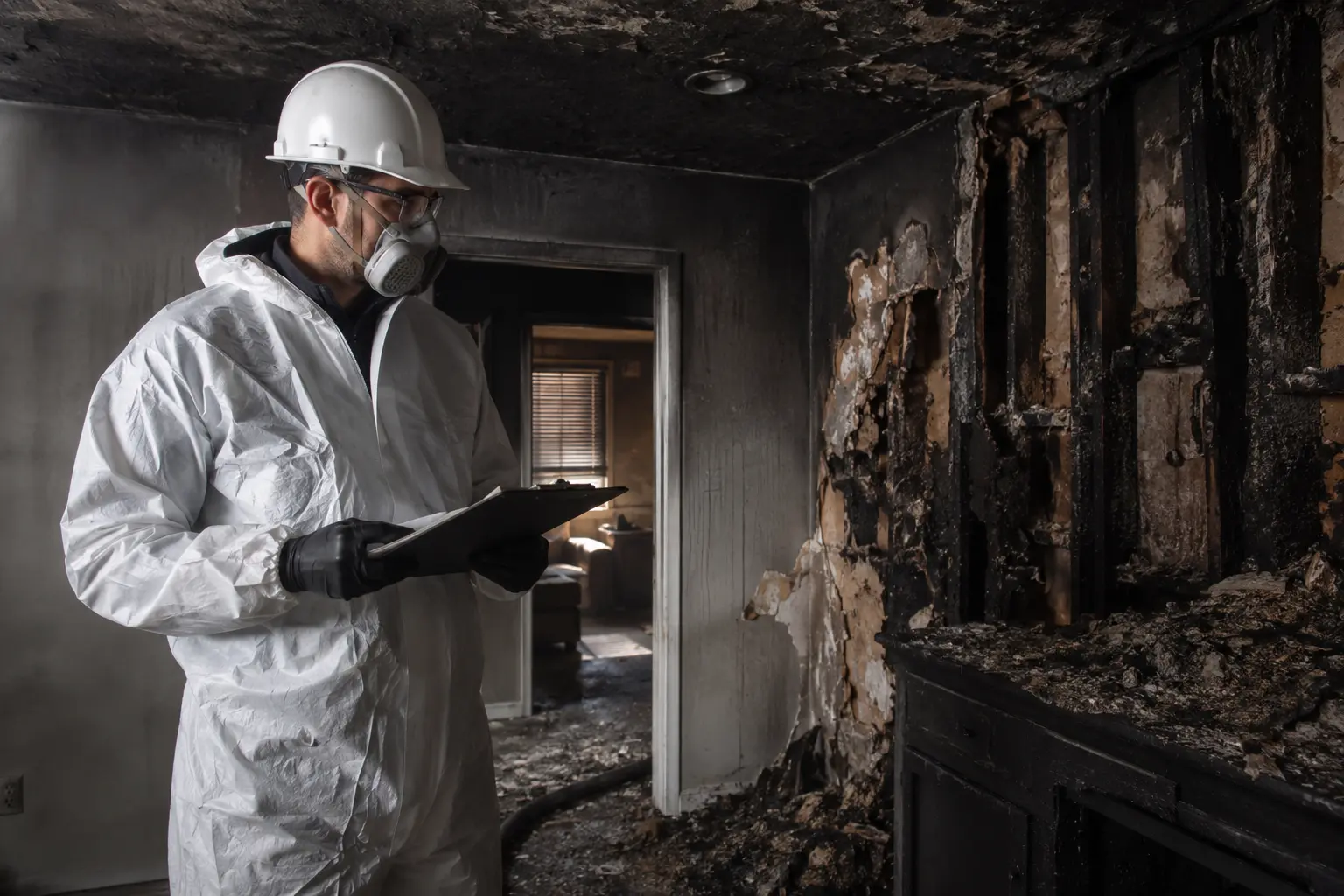
Every fire leaves its own signature. The material that burned and the heat involved decide which residue forms, and each residue calls for different chemistry.
Smoldering plastic, rubber or foam leaves a tacky, smeared coating that spreads under a cloth and bonds to painted surfaces.
Hot, quick flames from paper or lumber leave grayish powder that settles into cracks yet lifts cleanly with chemical sponges.
Scorched food produces a faint yellow film with a sharp, stubborn smell that clings to kitchen paint, cabinets and ceilings.
A misfiring furnace or oil burner can blast greasy soot through every heating register, and only solvent degreasers remove it.
Smoke follows air pressure and heat into places nobody checks. Missing those spots explains why odor creeps right back weeks after a quick surface cleanup.
Return grilles draw smoke deep into ductwork, and whenever the blower restarts, soot and odor travel back into every bedroom.
Rising heat carries smoke upward, where attic insulation holds particles and odor that drift down into the ceilings for months.
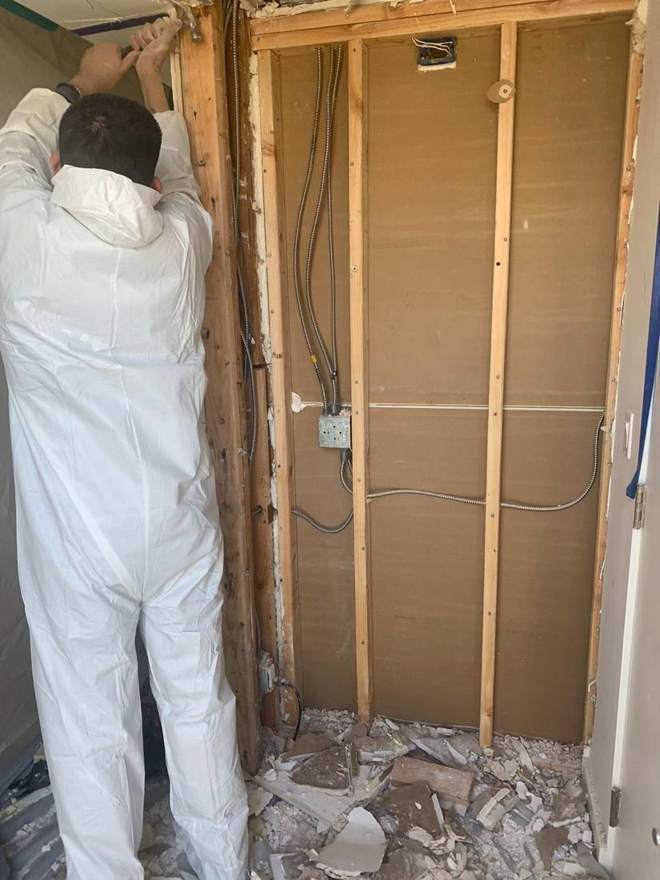
Smoke squeezes past switch plates, outlet covers and baseboard gaps, coating studs inside sealed walls where no wipe can reach.
Garments, bedding and curtains absorb odor, so closets beside the fire keep smelling long after the visible soot is cleaned.
Cupboard shelves, drawers and the dishes inside them gather a thin film that transfers onto fingers, food and cooking utensils.
Devices pull smoke through their cooling vents, where acidic soot settles on circuit boards and slowly eats into metal contacts.
A fire does not have to begin indoors to damage your belongings. Santa Ana winds drive wildfire smoke and ashes miles across Los Angeles neighborhoods.
Fine ash slips in through vents, attic openings and window frames, leaving gritty dust, a campfire smell and particles that keep circulating through your ducts.
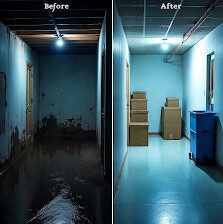
Our Process
A technician walks each room, swabs stained surfaces and confirms the residue type, because that result shapes every later step.
Plastic barriers, floor protection and air scrubbers go up first, stopping loose soot from drifting into rooms the smoke spared.
Ceilings, walls and furniture get HEPA vacuumed first, since wiping too early drives fine particles deep into the wall paint.
Dry sponges, alkaline cleaners or degreasers are picked per material, so soot comes off without dulling or staining any finish.
Ductwork, registers and the air handler are cleaned and filters installed, so the system stops recycling soot through the house.
Fogging, hydroxyl units or ozone destroy odor trapped in wood, drywall and fabric instead of hiding it under fragrance sprays.
Persistent spots get an odor blocking primer, then a final walkthrough confirms clean air before photos and reports are sent.
Cleaning belongings usually costs far less than replacing them. What can be saved depends on the residue type, the material and how long soot remained.
Drywall and plaster are cleaned with methods suited to the residue, then primed before repainting if stains or smell linger.
Hardwood, tile and stone floors are vacuumed, cleaned and polished, while soot packed into grout lines gets scrubbed by hand.
Upholstered chairs, area rugs and wall to wall carpet often recover with hot water extraction and deodorizing when treated soon.
Garments, sheets and curtains get dedicated odor removal, which often rescues fabrics that a normal home wash would likely ruin.
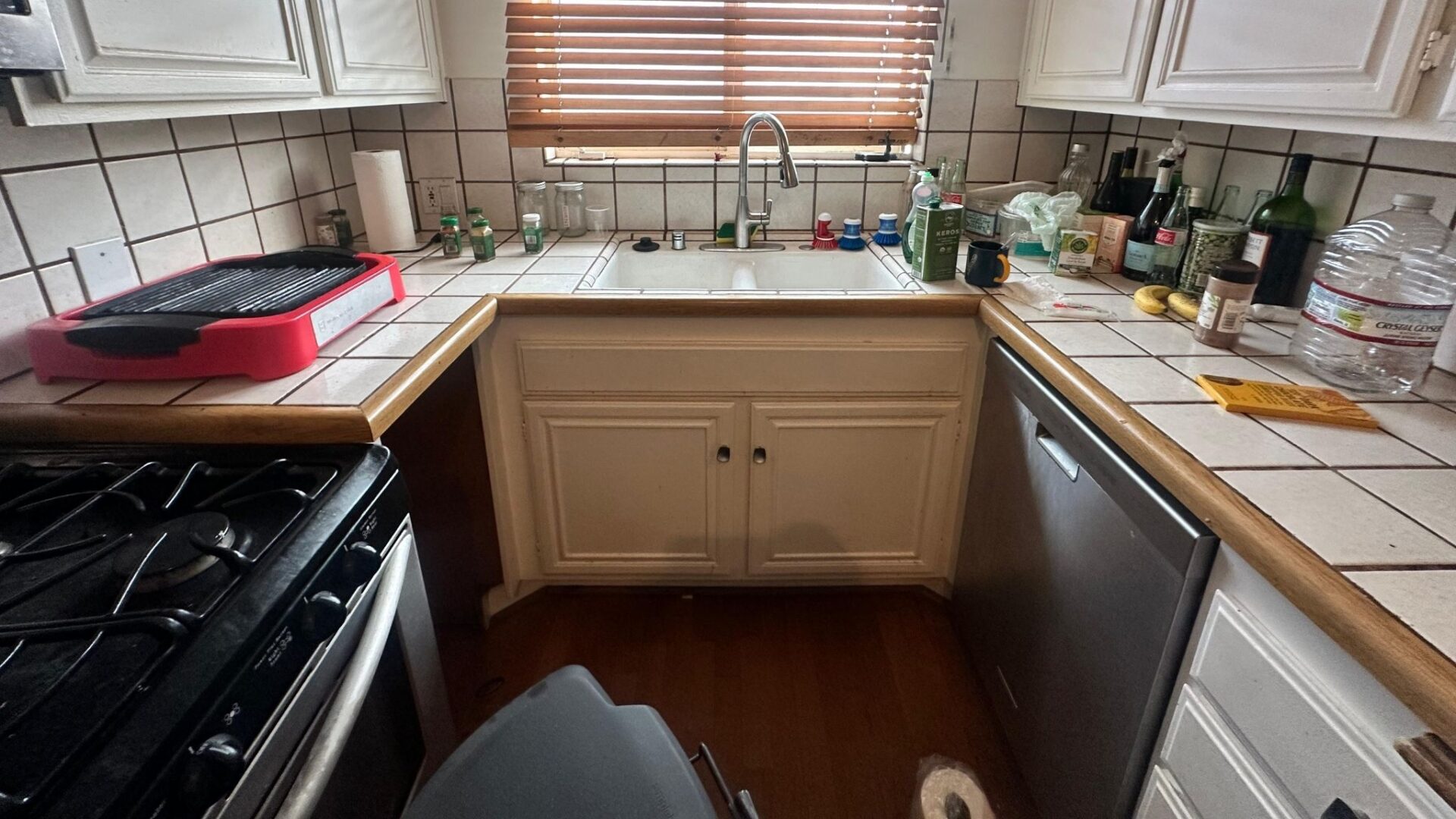
Cabinet doors, interiors and counters are degreased to strip away the protein film that keeps kitchens smelling burnt for weeks.
Windows, blinds, light fixtures and door hardware are cleaned piece by piece, since acidic soot slowly etches glass and metal.
Smoke particles are small enough to work into wood grain, drywall paper and fabric fibers, and air fresheners only hide them until humid weather returns.
Real results come from removing the residue first, then neutralizing leftover odor with fog or oxidizers, and sealing any surface that still smells of smoke.
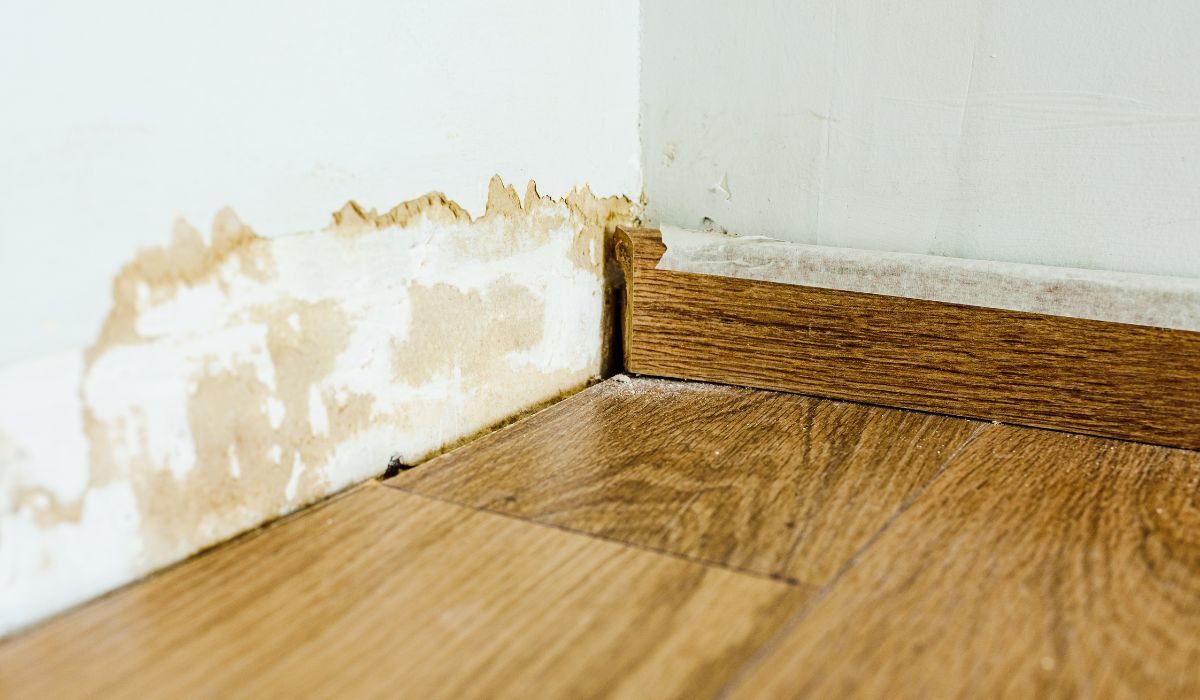
What happens in the first hours after smoke exposure determines how much can be saved. These steps protect your home until our restoration crew arrives.
Wiping walls, furniture or fabric with home cleaners pushes soot deeper and sets stains a trained technician could have lifted.
Running the system before ducts are inspected spreads soot and odor into bedrooms and home offices that smoke never reached.
Sitting on couches or beds and walking across sooty carpet grinds particles into fibers and sets stains that resist cleaning.
Any open food, beverages or medicine exposed to heat or smoke should be discarded, and cookware requires washing before reuse.
Powering on TVs, computers or appliances coated in soot can cause electrical shorts and speed up corrosion on internal parts.
Snap pictures of every room and damaged belonging before anything moves, then contact your insurance company to report the loss.
Every smoke job is different, so we provide a written estimate after inspecting each affected room. These five factors influence the final price the most.
One scorched kitchen costs less than a house coated in soot, because every additional room requires more labor and equipment.
Dry powder cleans faster than tacky wet smoke or greasy puffback soot, which demand stronger chemistry and more labor hours.
Residue left for weeks can etch, stain and yellow finishes, turning a simple cleaning into refinishing or even full replacement.
Cleaning ducts, attics and walls adds extra hours, and badly contaminated insulation often has to be removed and then replaced.
Furniture, clothes and devices that need extra cleaning, an inventory or storage show up as separate lines on your estimate.
Smoke damage is generally handled as part of a covered fire loss. These points come up frequently when Los Angeles homeowners file smoke damage claims.
Every policy carries limits and exclusions, so review the fine print with your agent. We share photos, test results and written scopes with every adjuster through our insurance claim assistance service.
A person answers our phones day or night, so soot removal can begin before acidic residue starts etching surfaces permanently.
Technicians follow IICRC methods for each residue type, from dry powdery soot to the greasy film that puffbacks leave behind.
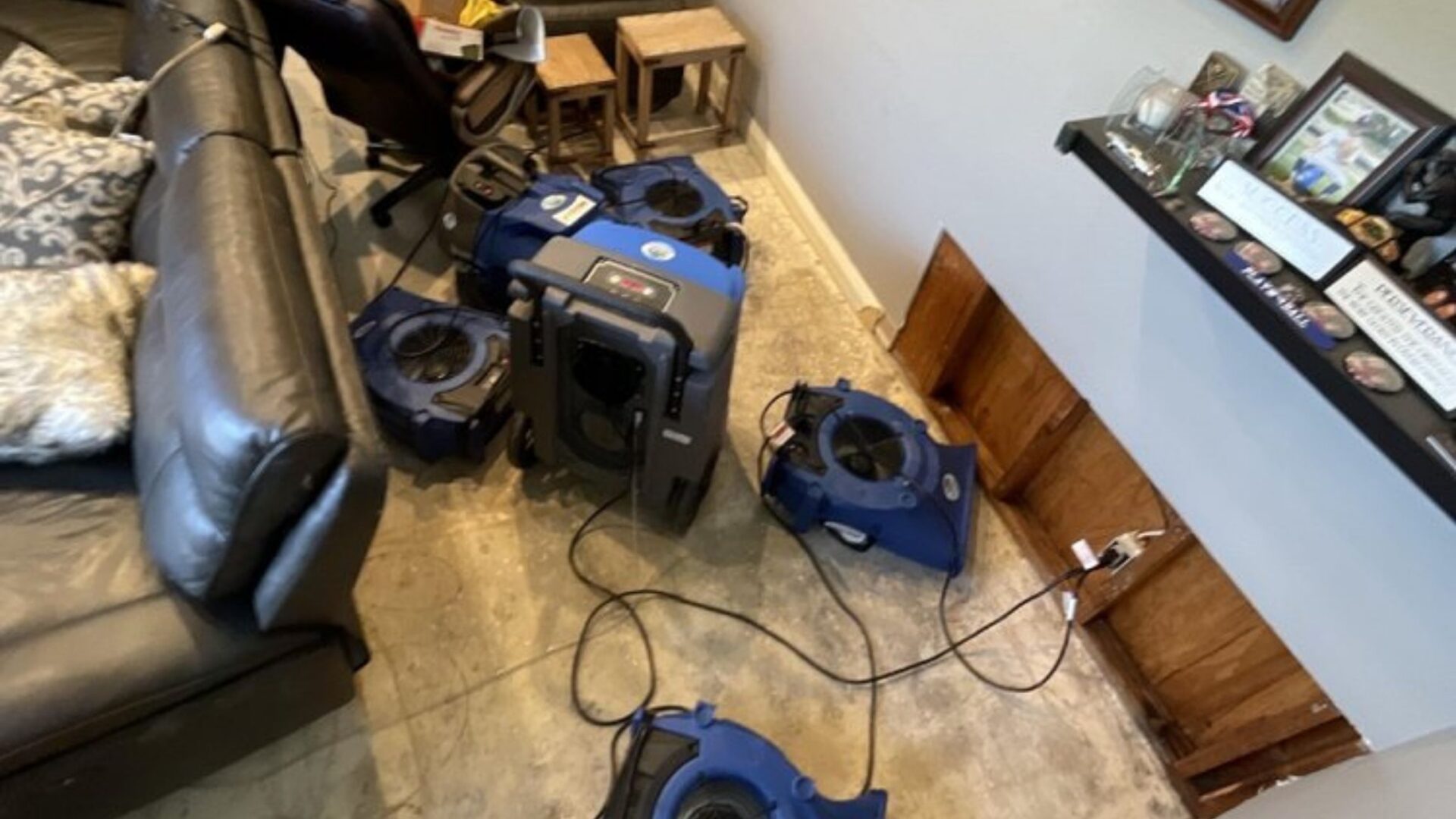
Firefighting water often soaks the same rooms smoke reached, and our extraction and drying crews handle both problems at once.
Swab testing and plain explanations reveal which residue is present, why it matters and how technicians intend to remove it.
HEPA vacuums, air scrubbers, hydroxyl units and thermal foggers arrive with the crew, so odor work starts without any delay.
Belongings are photographed, logged and labeled before cleaning, giving your insurer a full record and you real peace of mind.
A dedicated project manager answers questions and sends daily progress updates, so you fully understand what comes next and why.
Our licensed, insured technicians treat each home like their own, covering floors and sealing off rooms the smoke never touched.
Acidic residue etches metal, stains paint and settles deeper into fabric every day it sits. Our crews can start containment and HEPA soot removal the same day you call.
We document every affected room for your insurer and stay on the job until the odor is gone, not merely covered up.
Smoke Damage Restoration Across Los Angeles
From hillside homes near wildfire zones to downtown condominiums with kitchen fires, our crews leave 925 N La Brea Ave to reach every county neighborhood.
We proudly serve homeowners, businesses and property managers across:
FAQs
Fire damage covers whatever flames burn or char directly. Smoke damage is the soot, acidic residue and odor that travel much farther, reaching rooms and possessions the fire never touched.
Cost depends on how many rooms smoke reached, which residue formed, how long soot sat and whether ducts, insulation or contents need work. A written estimate always follows our inspection.
When the fire or smoke incident is covered, smoke cleanup is generally part of the claim. Wildfire smoke coverage varies, so review your policy carefully and photograph every affected room.
Professionals vacuum loose soot with HEPA equipment, clean each surface with methods matched to the residue, clean the ducts, then neutralize remaining odor and seal any surfaces that still smell.
Light residue may be tolerable briefly, but heavy soot irritates lungs and eyes, especially for children, older adults and pets. Ask your doctor about concerns and stay elsewhere if needed.
Jobs affecting one or two rooms often finish within a few days, while whole house cleanups involving ducts and contents take longer. Our written plan includes an expected completion timeline.
Small patches of dry soot can be handled with chemical sponges, but wiping sticky or greasy residue usually smears it deeper. Calling a professional first frequently saves walls and fabrics.
Remove residue first, then break down remaining odor molecules with hydroxyl units, fogging or ozone, and seal porous surfaces that still emit smell. Fragrance alone merely masks the real problem.
Ozone performs well against persistent odor, but it is unsafe to breathe. Rooms must stay empty of residents, pets and houseplants during treatment, then be aired out before anyone returns.
Yes. Wind can carry wildfire smoke and ash across many miles, entering through vents, attics and window frames, then leaving fine residue, a smoky odor and particles throughout your ductwork.
Many smoke damaged garments, linens and drapes recover through specialized odor removal cleaning. Washing them at home first can set stains and odor permanently, so set them aside until assessed.
Painting over soot without cleaning traps residue underneath, so odor and stains often bleed back through. Surfaces need cleaning first, then an odor sealing primer, before fresh paint goes on.
Acidic soot keeps working while you wait. Call ASAP Water Damage Restoration Los Angeles at (323) 677-2811 any hour, or complete our quick form below to schedule a smoke assessment.