24/7 Emergency Water Extraction Across Los Angeles
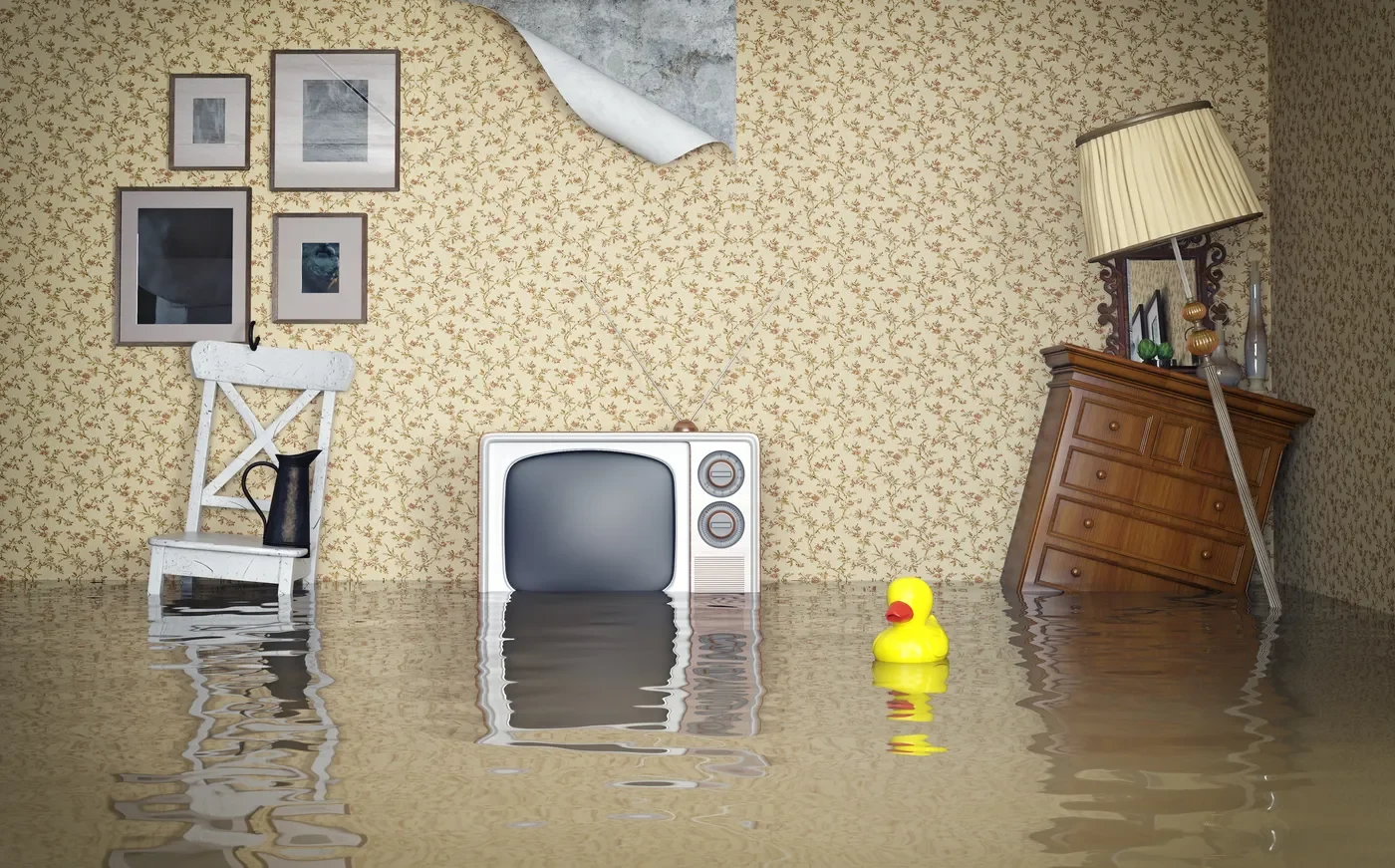
Water pouring through a ceiling at midnight does not wait for normal business hours. Neither do we, with live dispatchers answering calls around the clock.
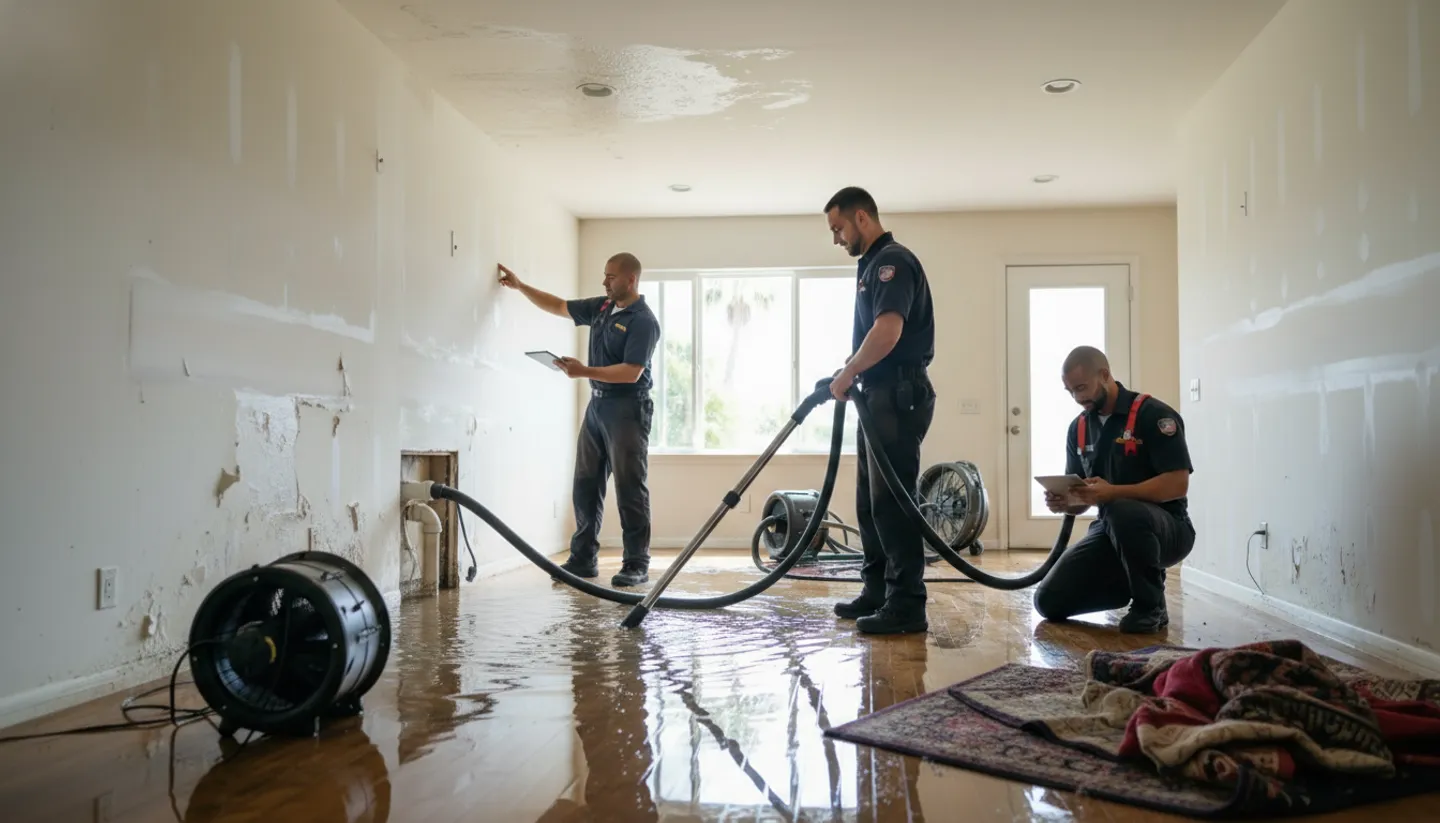
Our technicians show up with pumps and extractors, stop the source, pull out standing water and start drying before damage reaches walls and wood floors.
Live 24/7 dispatch | IICRC-trained crews | Truck mounted extraction | Insurance photos from minute one | Licensed and insured
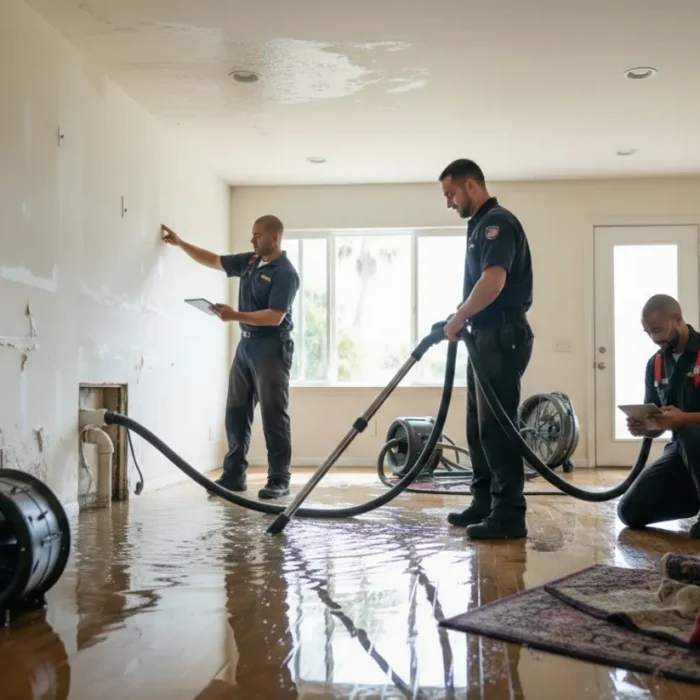
It is the critical first stage of water damage work: stopping the source, pumping out standing water and protecting your home before any drying begins.
Once the water is out, structural drying takes over. Getting that first stage right is what decides how much flooring, drywall and furniture survives.
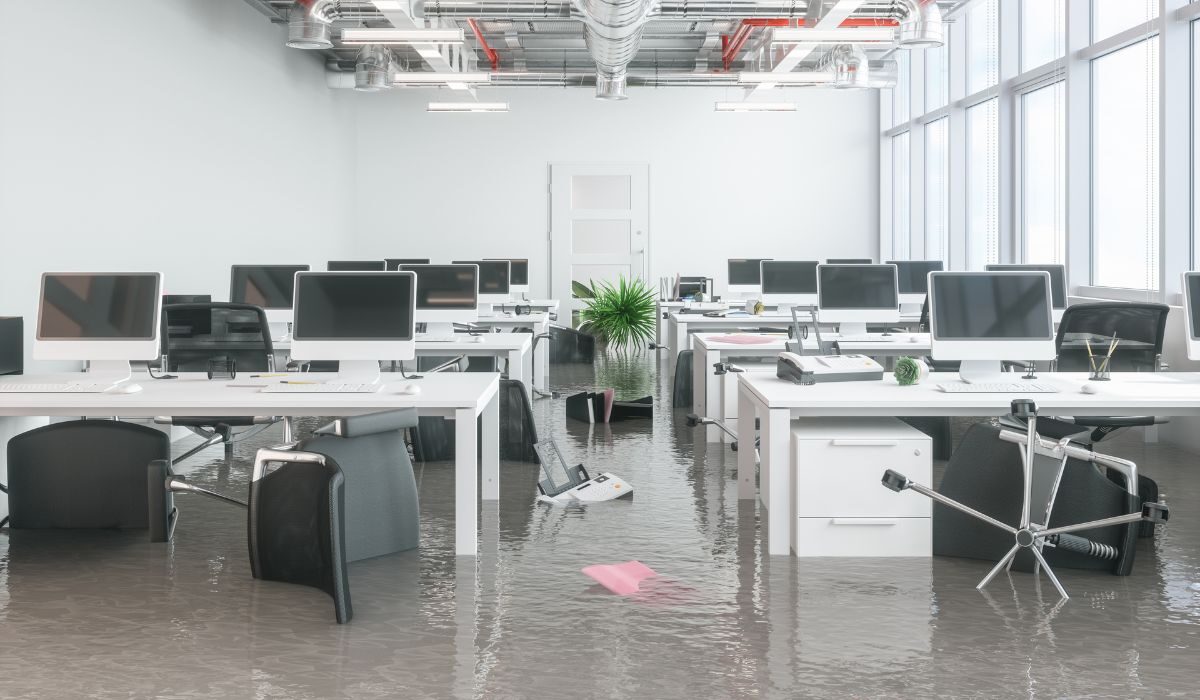
Every water emergency starts somewhere different, and that source decides how fast water spreads, how contaminated it is and what our crew must handle first.
A ruptured supply line can release hundreds of gallons rapidly, so shutting the main valve and extracting quickly matter most.
A rusted tank can empty into garages, closets or living areas within minutes, soaking drywall, carpet and any stored belongings.
Split supply hoses and failed pumps send water underneath cabinets and appliances, where it hides after the floor looks dry.
Clogged toilets and sewer lines push dirty water into the home, which calls for protective gear and thorough sanitizing work.
Heavy Los Angeles rain can push water through roofs, windows and doors, flooding the rooms below during one afternoon storm.
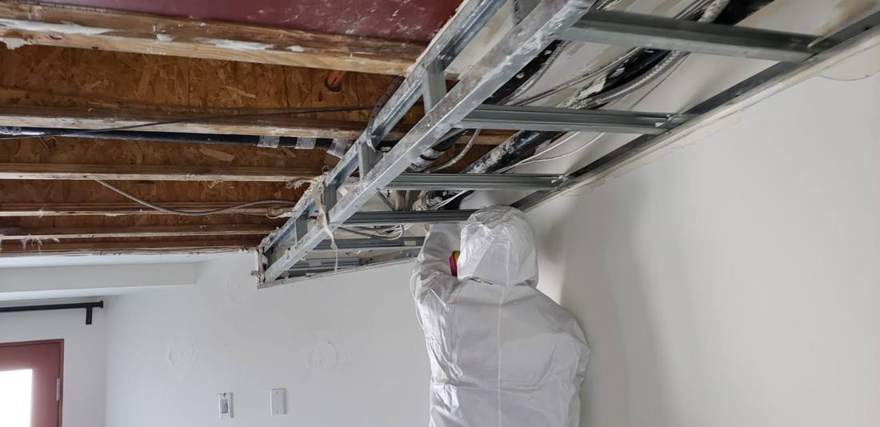
A bathroom or tenant upstairs can send water through your ceiling, causing sagging drywall, wet insulation and big brown stains.
Water keeps moving after it lands. During the first hour it wicks into drywall, soaks the carpet padding and spreads under baseboards into nearby rooms.
The faster standing water comes out, the more flooring, walls and furniture can be dried and rescued instead of being torn out and completely replaced.

Our Process
Our dispatcher answers immediately, asks which fixture or pipe is leaking and talks you through shutting off its source safely.
Technicians quickly load extractors, pumps and dehumidifiers into the truck, then call ahead to give you an honest arrival time.
The crew checks for live electrical hazards, sagging ceilings, weak floors and dirty water before anyone enters the wet rooms.
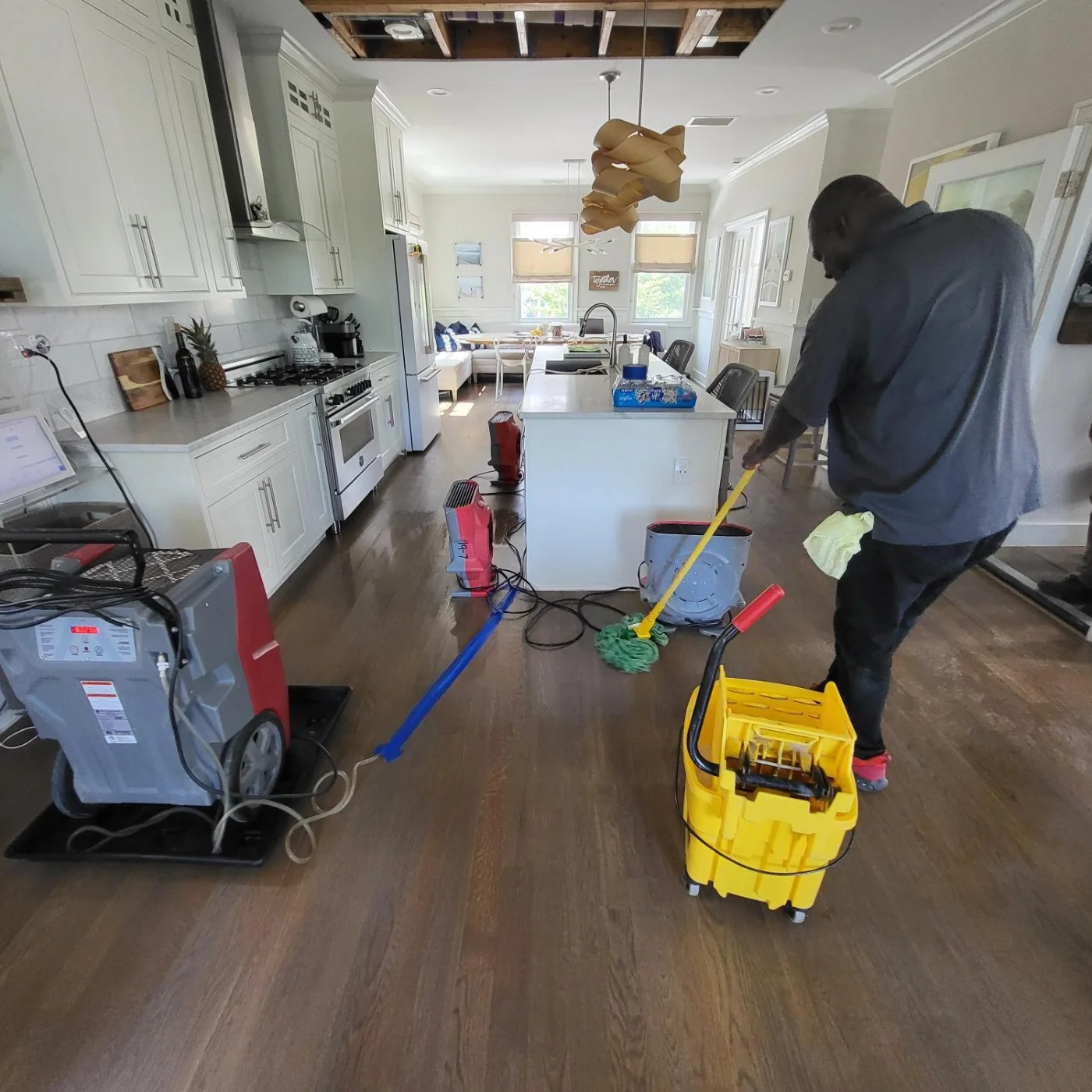
Powerful extraction units draw water out of carpet, padding and hardwood floors, clearing most of it within the first hours.
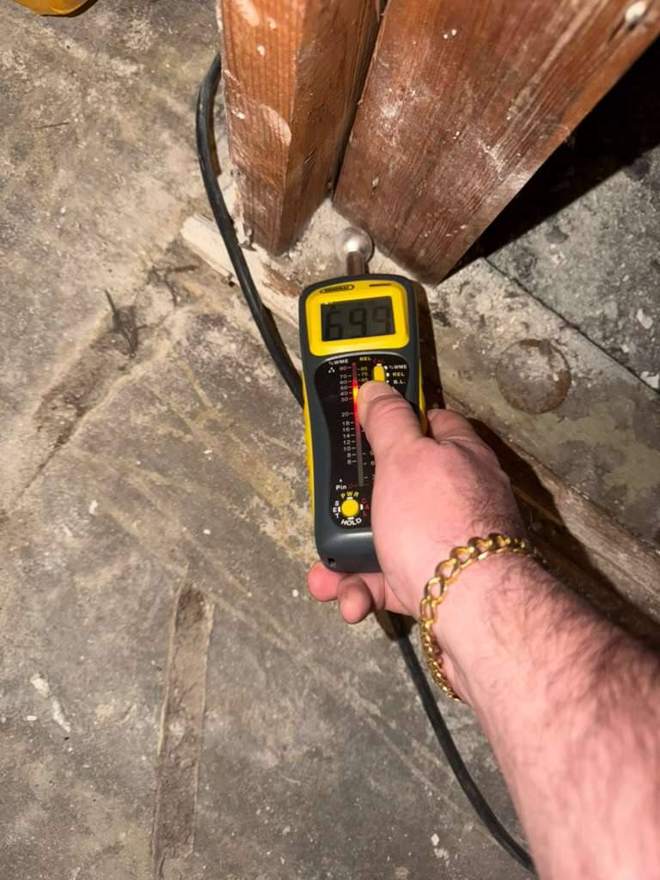
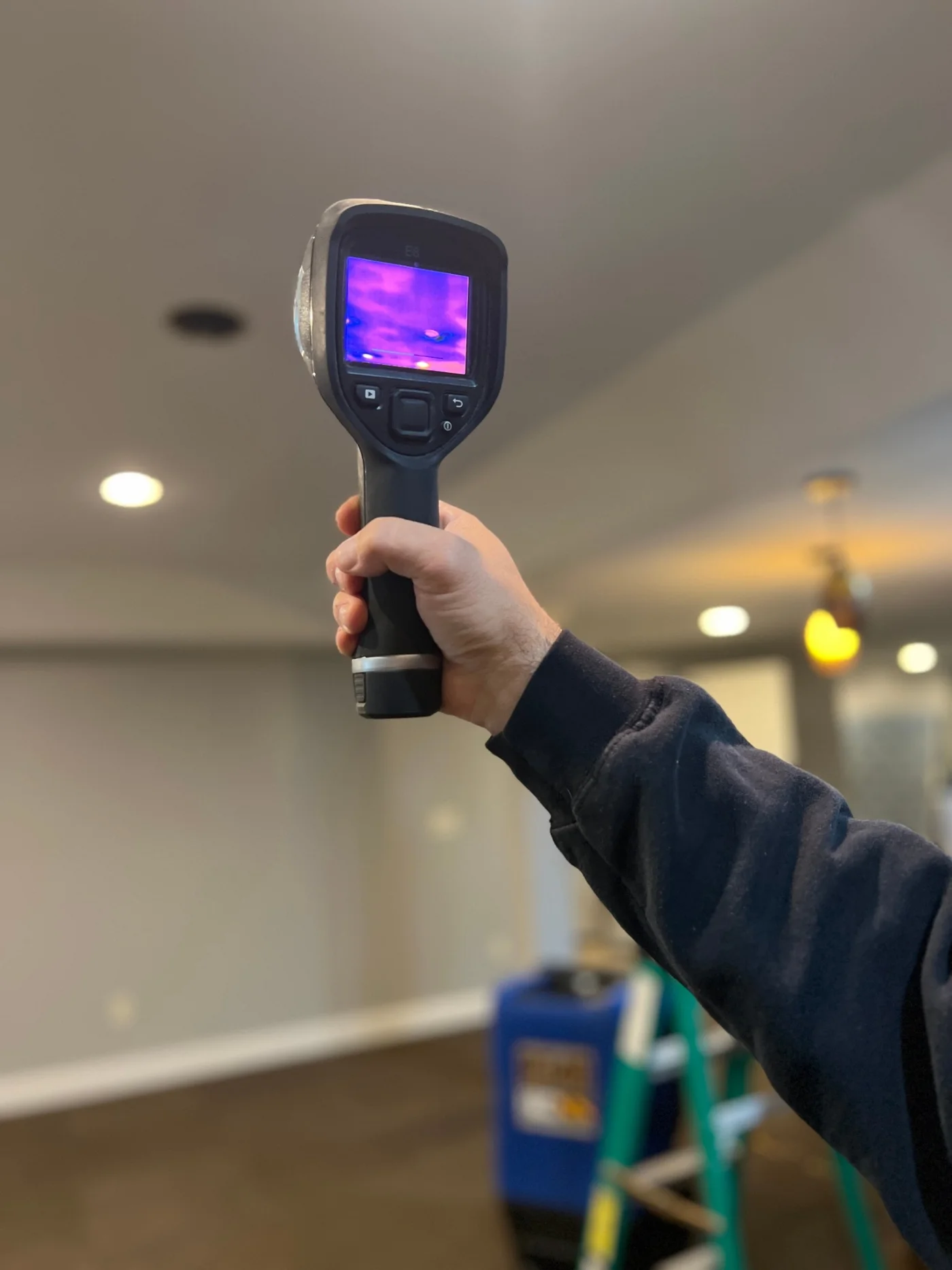
Moisture meters and thermal cameras reveal how far water traveled behind walls and under floors, so nothing wet gets missed.
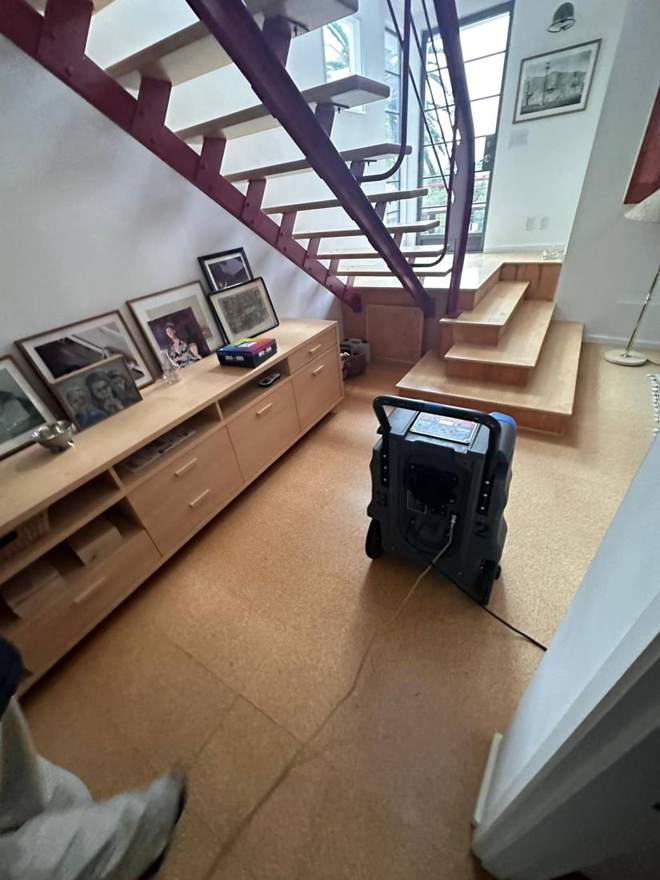
Dehumidifiers and air movers go into position the same visit, and photos plus readings start your insurance file right away.
While our crew drives over, several simple actions can limit the damage. Only do what feels safe, and leave anything risky to our trained technicians.
Turn the main valve clockwise, typically located near the street, garage or water heater, stopping water from entering the home.
Turn off breakers feeding flooded sections if you can reach the panel without standing in water, then avoid touching outlets.
Carry photos, laptops, rugs and key documents to a dry room or upper floor, starting with whatever you consider irreplaceable.
Slide aluminum foil or plastic lids under wooden furniture legs, preventing stains and swelling from sitting on the wet carpet.
Record the source, the standing water and every damaged item before cleanup starts, giving your insurer a clear first record.
Report the loss promptly, write down the claim number and mention that a professional mitigation crew is already heading over.
Good intentions can make water damage much worse. These four common mistakes cause injuries, spread germs or ruin materials that could easily have been saved.
Household vacuums are not engineered for water and can shock you or burn out, so leave extraction to professional equipment.
A ceiling bulging with water can collapse without warning, so keep everybody well away until our technician has inspected it.
Backup water carries bacteria and viruses, so avoid any contact, keep children and pets away and wait for protective cleanup.
Heat without a dehumidifier raises the indoor humidity, pushing moisture into dry rooms and speeding up any mold growth there.
Removing water fast takes more than a shop vacuum. Each emergency truck carries equipment sized for deep standing water, soaked carpet and very tight spaces.
Powered by the truck engine, these units pull massive volumes from carpet and floors faster than any portable machine could.
Submersible pumps clear deep water from garages and sunken rooms, pushing it outside before the extractors take over the floors.
Weighted extraction tools press on carpet while vacuuming, squeezing water from the padding so the carpet can often be saved.
Compact extractors reach upper floors, condos and tight hallways where a truck hose cannot go, so each location gets extraction.
Infrared cameras spot cool, wet zones behind walls and ceilings in minutes, guiding extraction toward water nobody can see yet.
Emergency pricing depends on the size of the loss and the work it requires. You receive a detailed written estimate before any major restoration begins.
More water across additional rooms means longer extraction labor, so one wet bathroom costs much less than a flooded hallway.
Clean supply water comes out quickly, while sewage or storm water needs protective gear, sanitizing and removal of porous items.
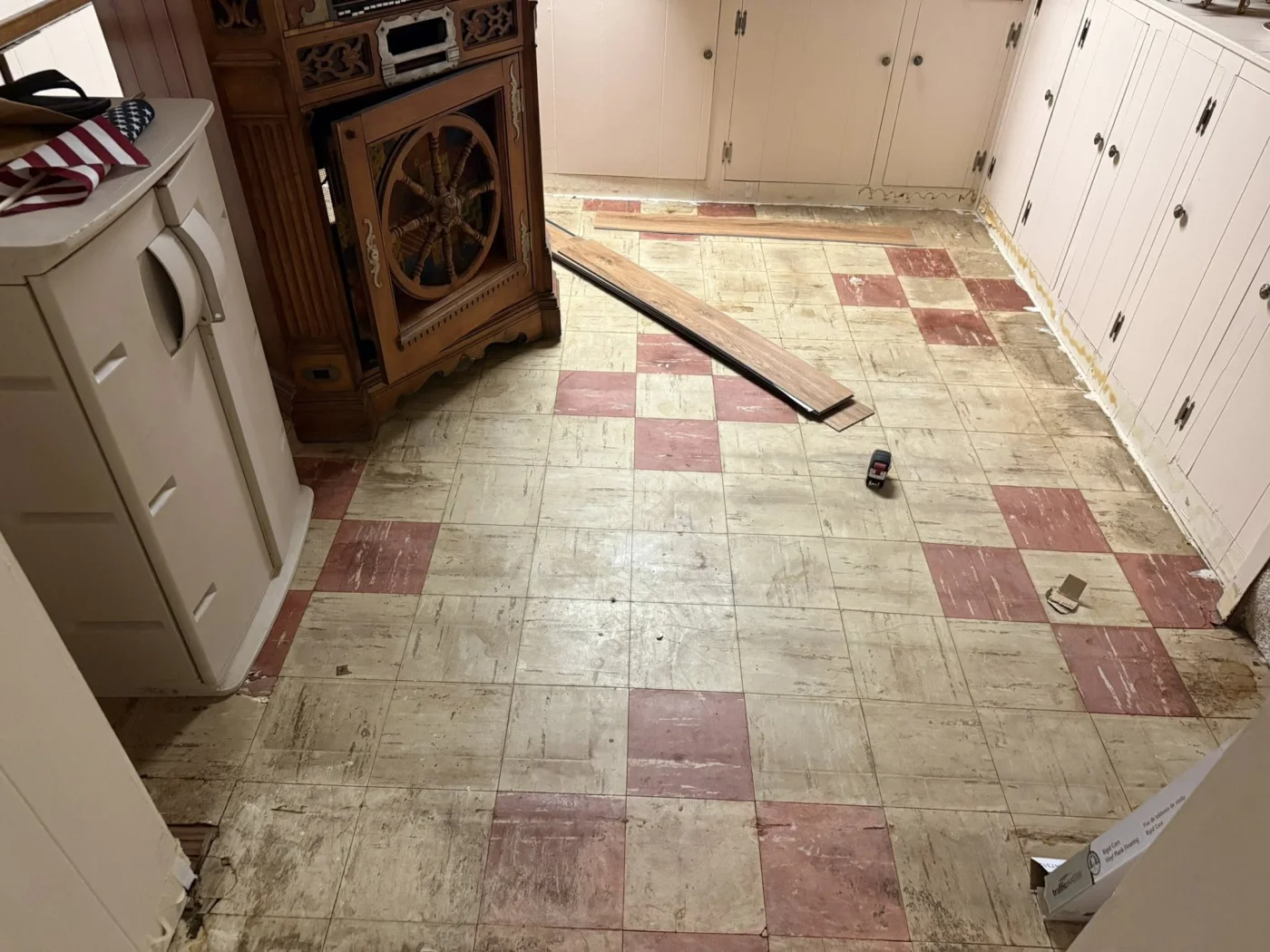
Carpet, pad, wood and drywall all respond differently, and soaked pad or swollen baseboards usually need to be fully replaced.
Water removed within hours is cheaper to dry, while water sitting overnight travels farther and adds days of equipment rental.
Calls at night, on weekends or holidays may include after hours pricing, which we explain by phone before dispatching crews.
Sudden water damage is commonly covered, and emergency removal is usually the first line on that claim. These points matter most for Los Angeles owners.
Every policy varies, so ask your agent about limits and deductibles. We photograph everything, share all readings and can talk with your adjuster directly through our insurance claim assistance service.
Calls reach a dispatcher who understands water damage, not an answering service that takes a message until the next morning.
Trucks leave stocked with extractors, pumps and drying machines, so the first visit handles the emergency without a return trip.
Dispatch gives a realistic arrival window and calls back if traffic changes it, because guessing helps nobody standing in water.
The same crew that removes the water sets up drying and monitoring, so nothing falls between separate companies or handoffs.
Crews carry protective gear and disinfectant for sewage and storm water, so contaminated jobs are handled safely from day one.
Every room, item and reading is photographed and logged on the first visit, giving your insurance claim a sturdy foundation.
Technicians explain what they discovered, what happens next and what it should cost, in plain language before major work starts.
We are fully licensed and insured, and crews respect your home by covering floors, protecting furniture and cleaning up daily.
Within the first hour water wicks into drywall, soaks carpet padding and travels under baseboards into rooms that still look dry.
Our dispatcher answers live at any hour and can have a stocked truck heading your way while you are still on the phone.
Emergency Water Removal Across Los Angeles
From Westside condos to San Fernando Valley homes, our emergency crews dispatch from 925 N La Brea Ave to neighborhoods across the whole county daily.
We proudly serve homeowners, businesses and property managers across:
FAQs
Arrival depends on your neighborhood, traffic and how many emergencies are active at once. Our dispatcher gives a realistic window by phone and calls you back if anything changes afterward.
Yes. A trained dispatcher answers every single call, including nights, weekends and holidays, and can send a crew right away instead of booking an appointment for the following business day.
Pricing depends on the volume of water, whether it is clean or contaminated, which materials became soaked and when you called. We explain every charge thoroughly before major work begins.
Emergency removal after a sudden incident like a burst pipe is usually covered. Coverage for slow leaks, outdoor flooding and sewer backups varies widely, so check your policy terms early.
It is the work that stops damage from spreading: shutting off water, extracting it, drying the structure and protecting items. Repairs and rebuilding come later, as a separate restoration phase.
Yes, in most cases. Fast extraction and drying often save flooring, drywall and cabinets, while heavily soaked or contaminated materials get removed and replaced as part of the repair work.
Removing standing water usually takes a few hours, not days, depending on the amount and rooms involved. Drying the structure later typically takes several more days, tracked by daily readings.
Usually you can stay, particularly when only one room is wet. Leave any rooms with sagging ceilings, sewage contamination or electrical hazards, and keep children and pets clear of equipment.
If the breaker panel is reachable without touching water, switch off the circuits serving wet rooms. Never wade through standing water near outlets, extension cords or appliances to reach it.
A wet vac helps with small puddles, but it removes little moisture from carpet padding or drywall. Larger floods need truck mounted extraction and moisture meters to prevent hidden damage.
Sewage holds bacteria and viruses, so stay out of it and keep others away. Our crew wears protective gear, removes contaminated porous materials and then disinfects everything else that remains.
Choose a company that answers live at all hours, uses IICRC trained crews, carries a license and insurance, gives written estimates and keeps clear records that support your insurance claim.
Every minute water sits, it spreads farther through your home. Call ASAP Water Damage Restoration Los Angeles at (323) 677-2811 now, any hour, any day, or complete the form below.