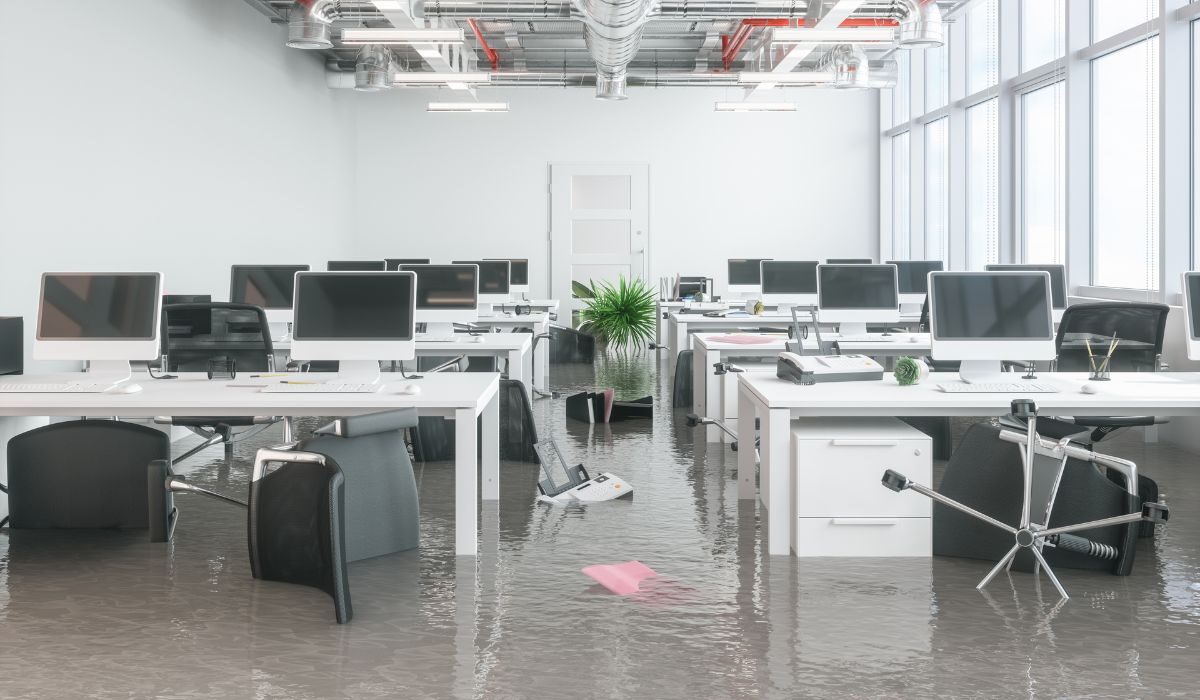
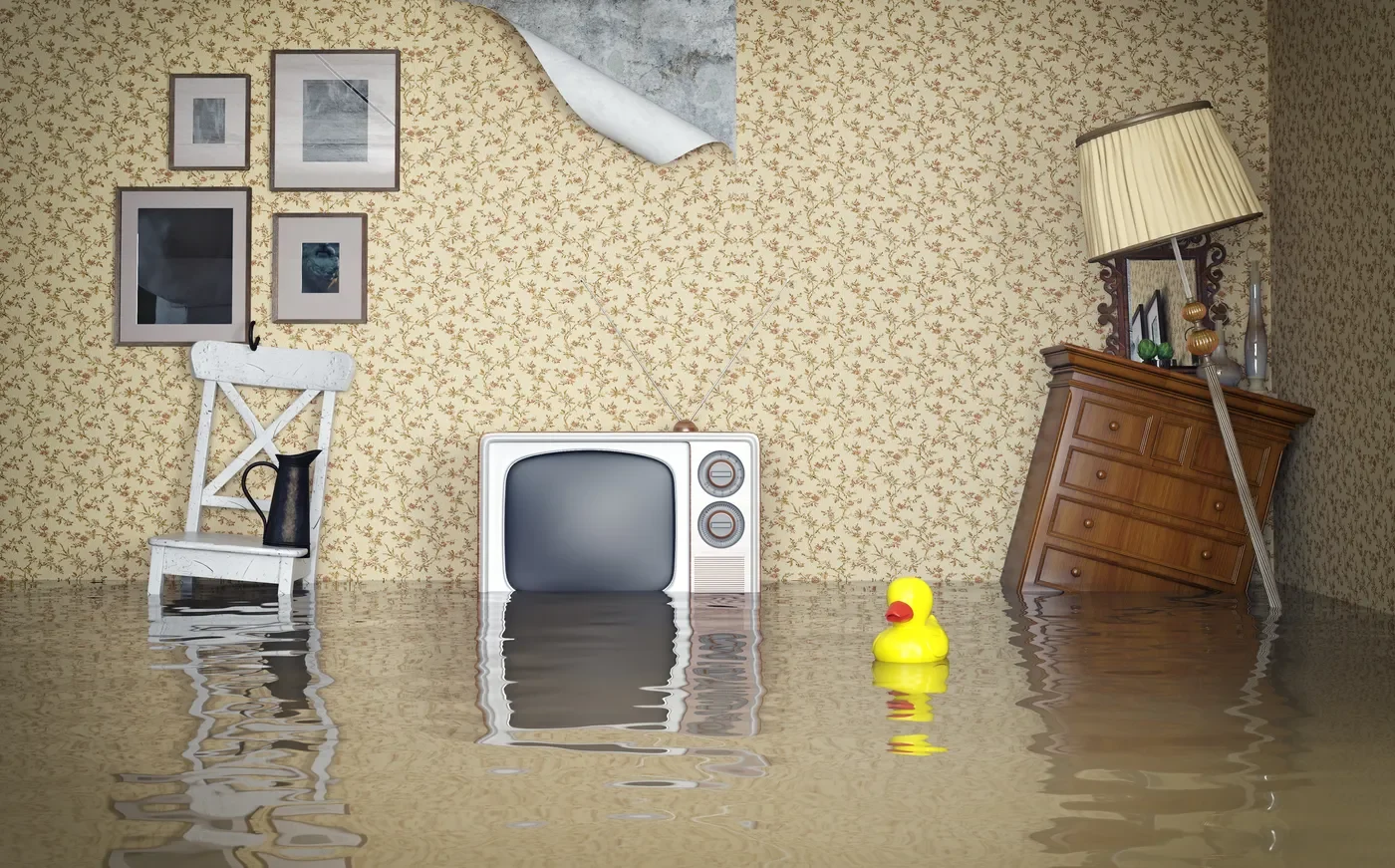
Flooding can happen without warning. Heavy rains, flash floods, storm surges, burst pipes, and overwhelmed drainage systems can send water into homes and businesses across Los Angeles. Unlike a minor plumbing leak, floodwater spreads rapidly and often carries contamination.
ASAP Water Damage Restoration Los Angeles provides 24/7 emergency flood damage restoration services. Our team responds immediately with industrial-grade pumps, extraction systems, and commercial drying equipment to remove floodwater and begin restoration without delay.

Floodwater moves quickly and penetrates deeply. Within minutes, it spreads across flooring and seeps into baseboards. Within hours, drywall, insulation, and subflooring become saturated. As moisture travels upward through capillary action, damage can extend far beyond the visible water line.
Floodwater is often classified as Category 3 water, highly contaminated water that may contain sewage, bacteria, chemicals, and debris. Direct contact with contaminated floodwater can pose health risks and requires professional handling.
Immediate response helps:

Our Process
We follow structured restoration protocols designed for contaminated water events. Each step is performed methodically to stabilize your property and prevent further damage.
Our team is available 24 hours a day, 7 days a week. Once you call, technicians are dispatched immediately to your Los Angeles property. Rapid arrival allows us to begin mitigation before water spreads further into structural materials.
We evaluate the category of water involved, inspect for electrical hazards, and identify any structural concerns. Floodwater may contain contaminants, so proper safety measures are implemented before removal begins.
Infrared scanning is performed to detect hidden moisture behind drywall, beneath flooring systems, and inside structural framing. This step ensures all affected areas are identified and prevents missed water pockets.
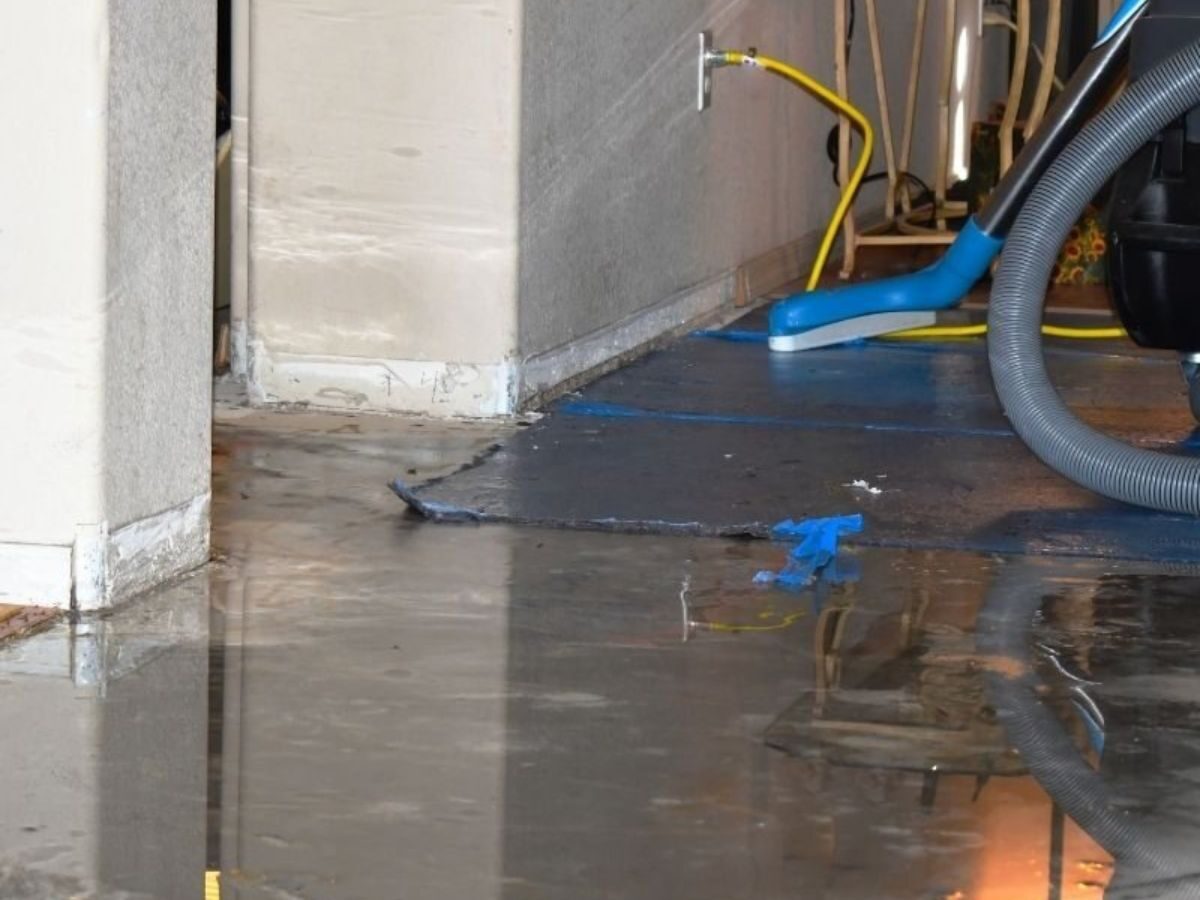
Truck-mounted pumps and commercial extraction equipment remove large volumes of standing water quickly. In severe flooding events, multiple extraction units may operate simultaneously to accelerate removal and limit structural absorption.
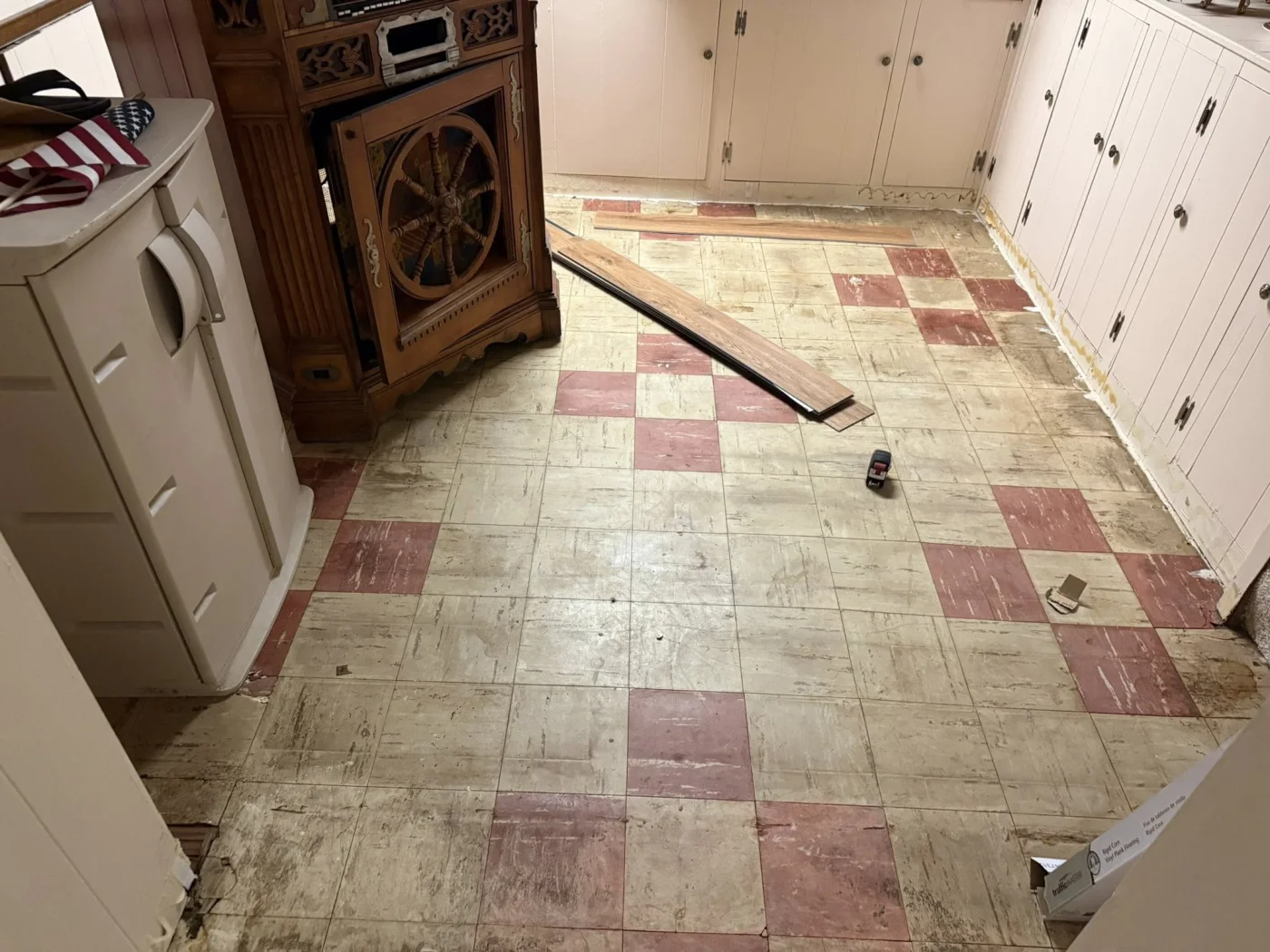
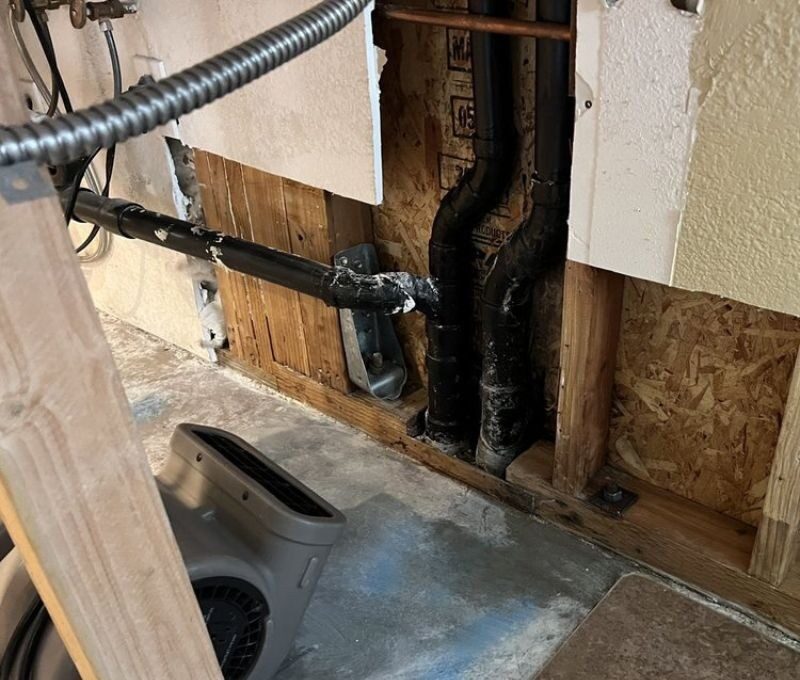
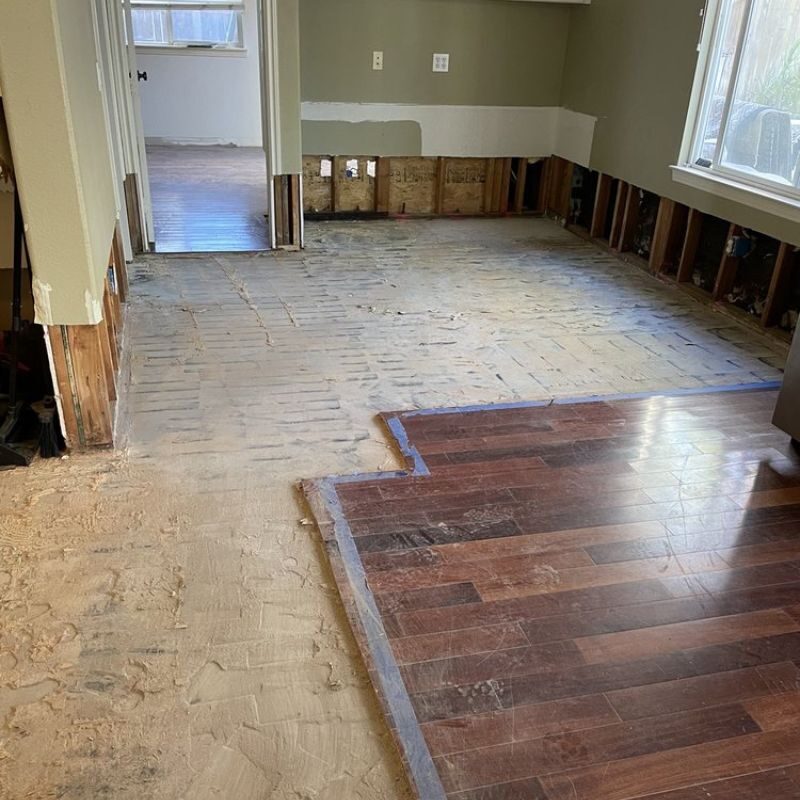
Saturated drywall, insulation, carpet padding, or other contaminated materials may require removal to prevent bacterial spread. We remove only what is necessary to protect structural integrity and support proper drying.
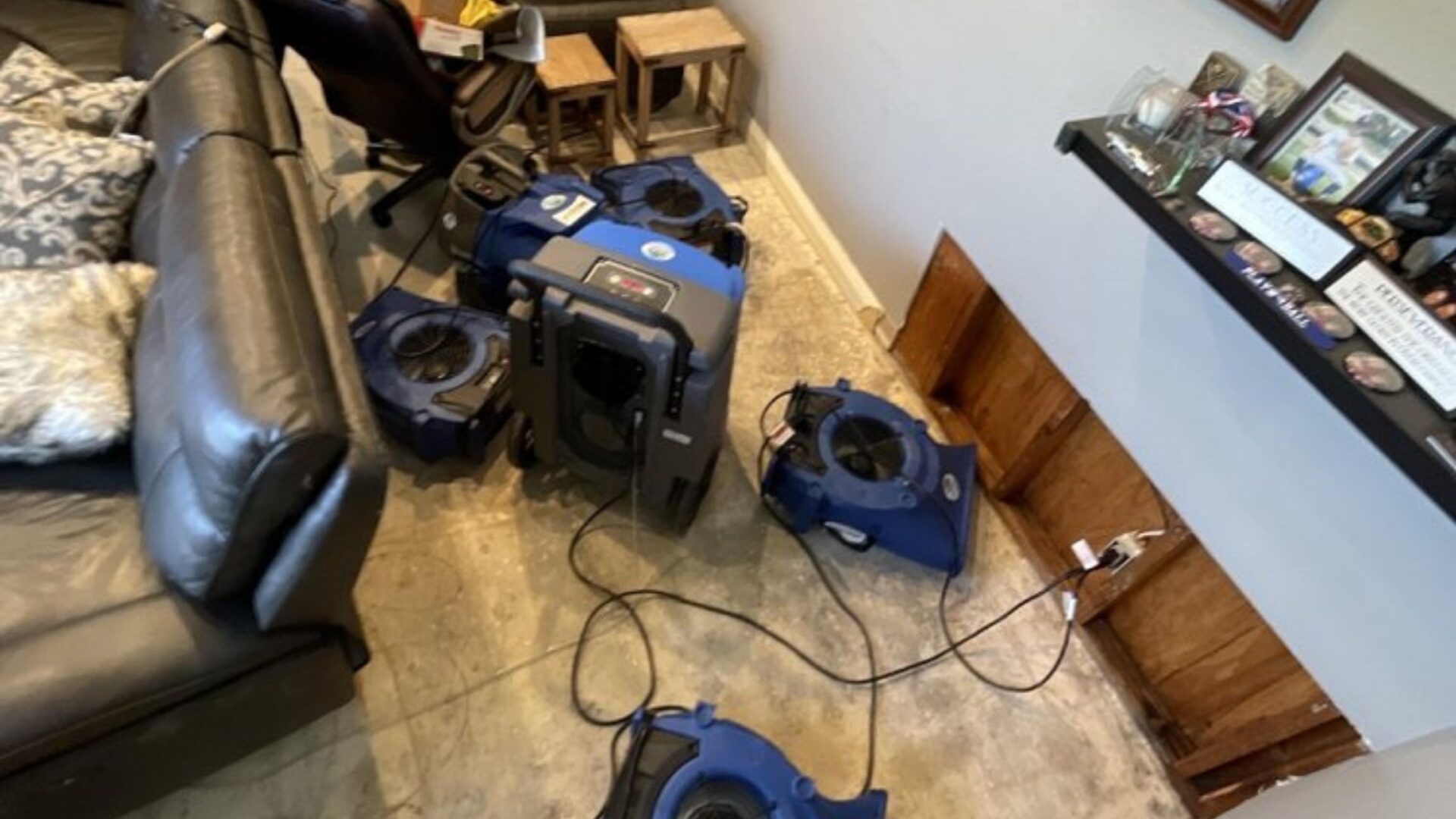
Commercial air movers create directed airflow across wet surfaces while industrial dehumidifiers extract moisture from the air. Equipment is positioned according to IICRC drying standards and adjusted daily to return materials to normal moisture levels.
All affected surfaces are cleaned and treated with antimicrobial solutions to reduce bacteria and contamination. Deodorization procedures are also performed to address odors associated with floodwater exposure.
Technicians return daily to measure moisture levels in drywall, framing, and subfloors. Thermal imaging is used to verify hidden areas have stabilized and that no residual moisture remains.
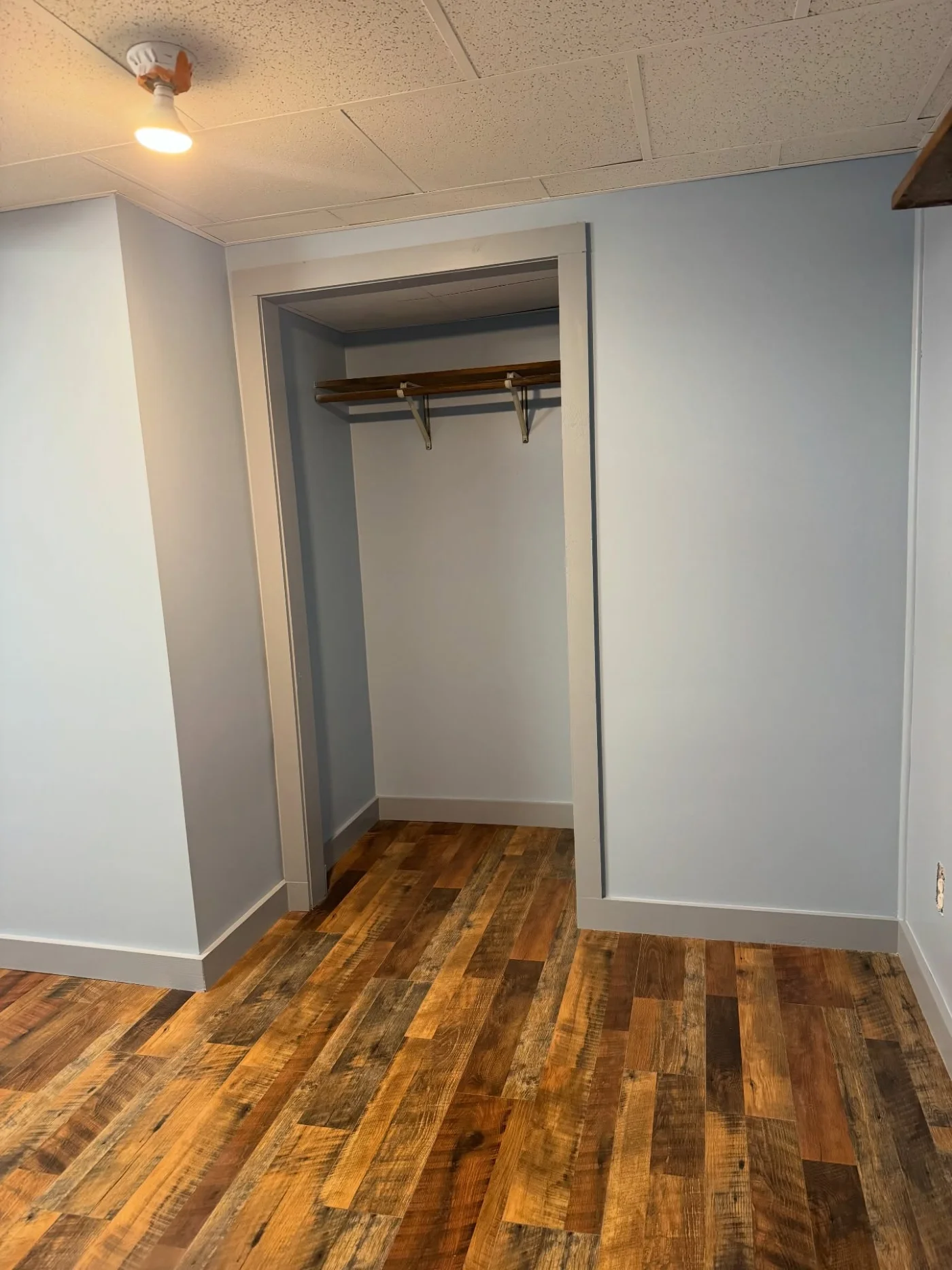
After the property has been fully stabilized, we repair or replace damaged materials including drywall, flooring, insulation, and trim. The goal is to restore the property to its pre-flood condition.
Flood damage can originate from different environmental and structural conditions. Each type of flood presents unique challenges that require the right equipment and response strategy.
Severe weather can force rainwater through doors, window frames, and foundation gaps. When exterior water breaches the building envelope, it often spreads across multiple rooms before it is noticed.
Rapid rainfall accumulation can overwhelm streets and surrounding terrain, allowing water to enter structures quickly. These events typically impact ground floors and require immediate large-volume extraction.
When municipal storm systems become overloaded, water can reverse direction and flow into nearby properties. This type of flooding frequently affects commercial spaces and street-level units.
Properties closer to shoreline areas may experience water entry from elevated tides or storm surge conditions. Saltwater exposure increases the risk of material deterioration and surface corrosion.
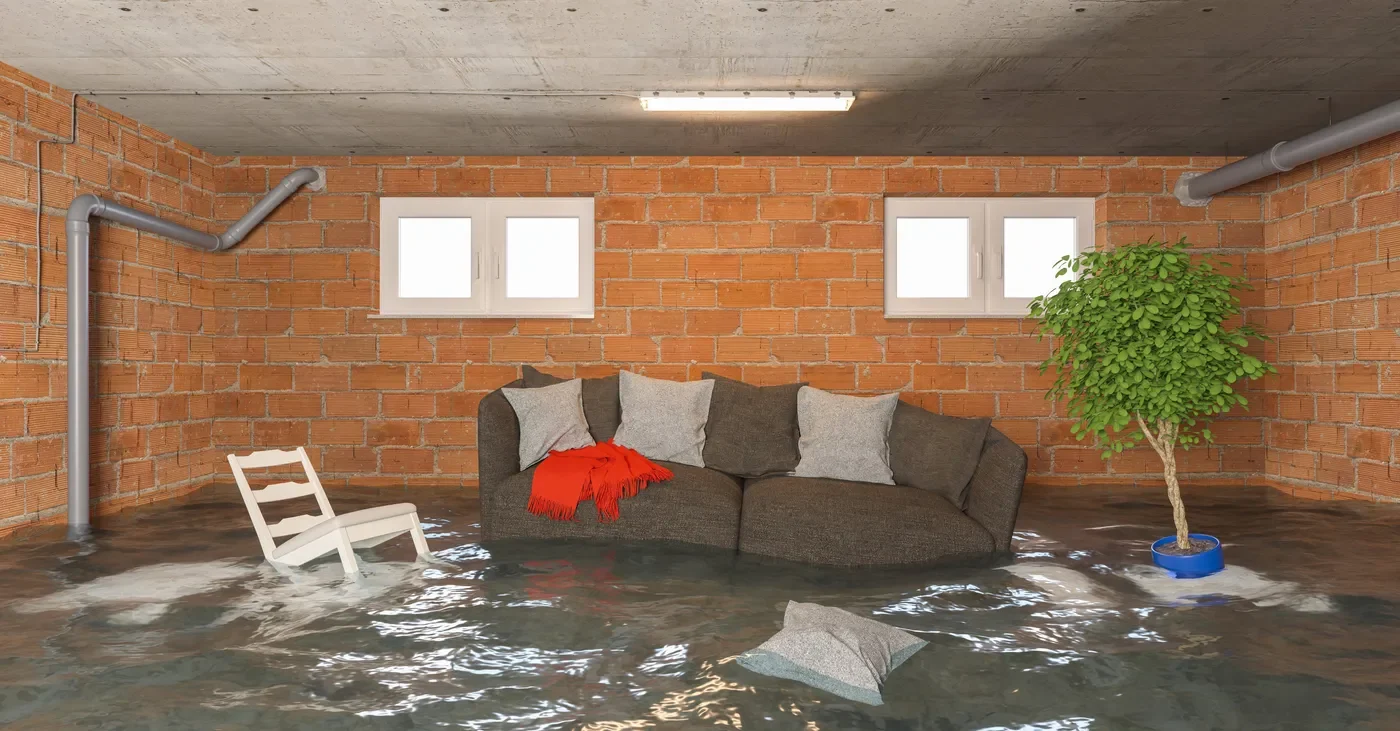
Lower sections of a structure, including basements and foundation-level spaces, are natural collection points for floodwater. Extended saturation in these areas can impact structural components and air quality.
During major flood events, sewer systems can back up into residential or commercial plumbing lines. This introduces contaminated water that requires controlled removal and sanitation procedures.
Flood restoration involves multiple coordinated services designed to remove water, dry structural materials, and address contamination.
High-capacity pumps and commercial extraction equipment remove standing water quickly. Rapid extraction limits migration into adjacent rooms, wall cavities, and structural components, reducing overall saturation.
Confined-space pumping systems are used to remove trapped water from foundation-level areas. Thorough extraction in these low-lying spaces helps reduce prolonged moisture exposure to framing and subfloors.
Commercial air movers and industrial dehumidifiers remove residual moisture from drywall, wood framing, insulation, and subflooring. Equipment placement follows professional drying standards to return materials to normal moisture levels.
After contaminated water exposure, affected surfaces are cleaned and treated with antimicrobial solutions. Professional deodorization methods are used to address bacteria-related and moisture-related odors.
We provide professional flood damage restoration for properties throughout Los Angeles.
Flooding can damage flooring, drywall, and structural framing. We remove water, dry affected materials, and restore living areas quickly.
Water can spread between units through shared walls and ceilings. We stabilize affected areas and coordinate with tenants and property managers.
Flood events may impact multiple units at once. We manage extraction and drying across floors while minimizing disruption.
Flooding can interrupt operations and damage workspaces. We deploy commercial drying systems to reduce downtime.
Water intrusion can affect inventory and service areas. We remove floodwater, sanitize surfaces, and support fast reopening.
Healthcare environments require controlled contamination handling. We follow proper restoration procedures to stabilize affected areas.
Large spaces require high-capacity extraction and drying equipment. We address moisture in slabs, storage areas, and loading zones.
Flood damage restoration requires fast response, technical knowledge, and proper handling of contaminated water. Property owners across Los Angeles rely on our team because we combine rapid dispatch, structured restoration procedures, and clear communication from start to finish.
Flooding does not wait for business hours. Our team is available day and night, including weekends and holidays. We typically arrive within 30 minutes across Los Angeles and surrounding areas.
Our technicians are trained in professional water damage restoration and contaminated water handling. We follow established industry standards for extraction, drying, and sanitation to protect both property and occupants.
Floodwater often contains sewage, bacteria, and debris. We use protective equipment, controlled removal methods, and proper disposal procedures to manage contaminated materials responsibly.
We deploy truck-mounted extraction systems, commercial air movers, high-capacity dehumidifiers, and thermal imaging technology to manage large-scale flooding.
From single-family homes to apartment complexes, office buildings, retail spaces, and restaurants, we manage projects of all sizes. We coordinate directly with property managers, HOAs, and business owners to streamline multi-unit restoration.
Hidden moisture can remain behind walls and beneath flooring. We include thermal imaging inspections at no additional cost to detect concealed saturation and guide accurate drying.
Flood damage claims can be complex. We document all affected areas, provide detailed reports, and work directly with insurance providers to simplify the process for homeowners and businesses.
We explain each step of the restoration process, provide daily progress updates, and answer questions throughout the project. Property owners always know the status of their restoration.
Flood damage does not improve with time. The longer water and contamination remain inside your property, the greater the structural damage and repair costs.
If your home or business has experienced flooding, act immediately.
ASAP Water Damage Restoration Los Angeles is available 24 hours a day, 7 days a week to respond to flood emergencies across the city.
24/7 Water Damage Restoration Across the City
ASAP Water Damage Restoration provides 24/7 emergency water damage restoration services throughout the City of Los Angeles. Whether you’re dealing with a burst pipe in Koreatown, flooding in Van Nuys, or a roof leak in Venice, our team responds quickly to protect your property.
We proudly serve homeowners, businesses, and property managers across:
FAQs
Immediately. Floodwater spreads rapidly and can saturate drywall, insulation, and subfloors within hours. The sooner professional extraction and drying begin, the more structural materials may be preserved and the lower the overall restoration cost.
Most exterior flooding is classified as Category 3 water, meaning it may contain sewage, bacteria, chemicals, or debris. Even if the water appears clear, contamination risks may still be present and require professional handling.
Water extraction is typically completed within a few hours. Structural drying generally takes 3 to 5 days depending on the severity of flooding and materials affected. Repairs may extend the timeline if reconstruction is required.
In minor flooding situations, drywall above the waterline may be dried successfully. Heavily saturated or contaminated drywall often requires removal to prevent deterioration and bacterial spread.
It depends on the extent of flooding and contamination level. In cases involving Category 3 water or widespread saturation, temporary relocation may be recommended for health and comfort.
Water exposure can create electrical hazards. During the initial inspection, we identify potential risks and recommend evaluation by a licensed electrician before power is restored in affected areas.
Coverage depends on your policy and the source of flooding. Sudden interior water events may be covered, while exterior flood events often require a separate flood insurance policy. We document all damage and provide detailed reports to support your claim.
In some cases, yes. Immediate extraction and structural drying may prevent permanent warping or buckling. Severe saturation may require partial replacement. A professional inspection determines the appropriate restoration approach.
Mold requires moisture to grow. We remove standing water, dry structural materials to normal moisture levels, and monitor daily readings to reduce the conditions that allow mold development.
Yes. We handle flood damage for office buildings, retail spaces, restaurants, warehouses, and multi-unit properties. We coordinate with property managers and business owners to reduce operational disruption.
Flood damage is stressful. Water spreads quickly, and contamination concerns add pressure during an already difficult situation.
You don’t have to handle it alone.